Discover the Best Scrubber Machine for Your Industry Needs?
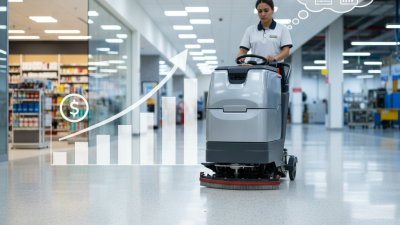
In today's competitive industrial landscape, selecting the right Scrubber Machine is crucial. Statistics indicate that the global market for cleaning equipment is projected to reach $40 billion by 2025. This surge reflects the growing demand for efficient cleaning solutions across various sectors, including manufacturing and healthcare.
Many industries rely on Scrubber Machines for their ability to enhance cleanliness and safety. These machines effectively remove dirt, grease, and contaminants, ensuring compliance with strict cleanliness standards. Reports show that efficient cleaning can improve workplace safety by reducing slip and fall incidents by up to 30%.
However, not every Scrubber Machine is suitable for all environments. Factors such as floor type, space constraints, and cleaning frequency must be considered. Many users experience frustration when selecting a machine that fails to meet their specific needs. Education and understanding are key to making an informed choice. Embracing the right technology can lead to significant operational improvements and cost savings in the long run.
Understanding Different Types of Scrubber Machines for Various Industries
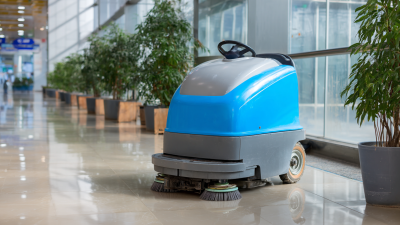
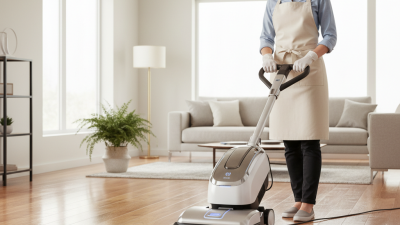
When selecting a scrubber machine, consider the specific needs of your industry. For instance, commercial cleaning services often require portable scrubbers. The International Sanitary Supply Association reported that such devices enhance cleaning efficiency by up to 50%. This makes them ideal for maintaining high hygiene standards in bustling environments.
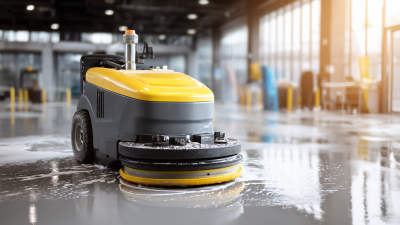
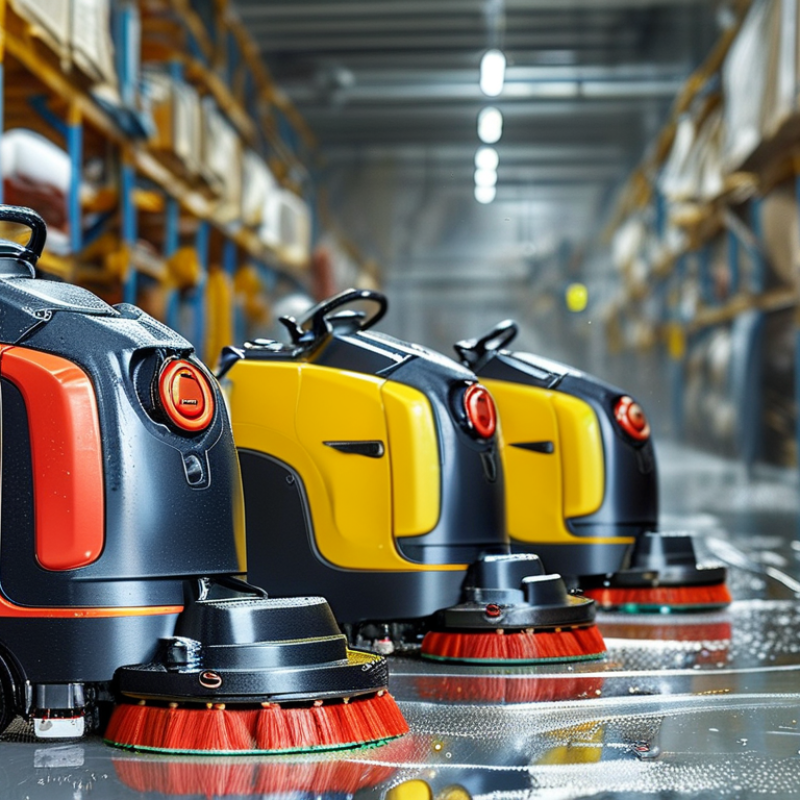
In contrast, industrial applications demand heavy-duty scrubbers. These machines can tackle stubborn grime and large surfaces. A report from the Clean Association indicates that these scrubbers can reduce cleaning time by an impressive 30%. However, they come with higher upfront costs and maintenance challenges. Organizations must weigh these factors against long-term benefits.
Additionally, some users may overlook the importance of scrubbing pad types. Different materials suit specific tasks; using the wrong pad can hinder performance. It's crucial to regularly assess the efficacy of equipment. Grounded insights from user feedback can identify maintenance needs and operational flaws. This ongoing evaluation process is vital for maximizing efficiency and ensuring optimal outcomes in various work environments.
Key Features to Consider in Scrubber Machines for Industrial Applications
When selecting a scrubber machine for industrial applications, several key features demand attention. A recent industry report shows that efficient cleaning not only improves workplace safety but also reduces maintenance costs by up to 30%. Therefore, productivity hinges on a machine's scrubbing power and ability to tackle various floor types effectively. Look for models equipped with adjustable pressure settings. This ensures optimal performance on delicate surfaces.
Battery life is another critical aspect. In sectors like manufacturing, machines with longer run times can significantly enhance operational efficiency. Studies indicate that machines lasting over 5 hours can complete larger areas without interruption. Additionally, water tank capacity plays a pivotal role in reducing downtime. A larger tank minimizes the need for frequent refills, allowing for continuous operation.
Versatility must not be overlooked. Some models come with interchangeable brushes and pads, accommodating different cleaning tasks. This flexibility is essential in environments with diverse cleaning challenges. It's also worth noting that while advanced features can improve performance, they may require regular training for operators to maximize their capabilities. Taking the time to assess features carefully before making a choice can lead to long-term benefits and reliable performance in industrial settings.
Comparative Analysis of Popular Scrubber Machines on the Market
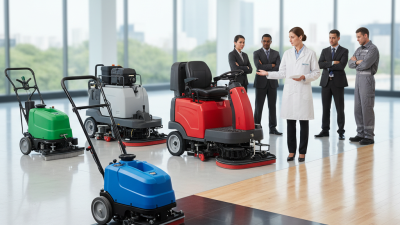
When selecting a scrubber machine, industry needs vary significantly. Some machines excel in large spaces, while others are designed for tight areas. It's crucial to consider your environment. Are you cleaning a warehouse, a retail store, or a hospital? Each space requires a different approach to ensure cleanliness and safety.
In our comparative analysis, we highlight several models based on key features. Battery life is vital for uninterrupted cleaning. Look for machines that offer longer runtime without losing performance. Brush types also matter; choose the right one for your floor type to avoid damage. It’s also worth noting that some machines can be complex. Training staff may be necessary to ensure effective use.
Tips: Always test a machine before purchase. This helps identify if it meets your expectations. Regular maintenance is essential. A well-maintained scrubber lasts longer and performs better. Lastly, consider the noise level. In quiet environments, this can be a critical factor in your decision-making process.
Maintenance Tips for Prolonging the Life of Your Scrubber Machine
Maintaining a scrubber machine is crucial for its longevity and efficiency. Regular maintenance can prevent unexpected breakdowns and reduce long-term costs. Check the machine’s brushes frequently for wear. Worn brushes can lead to ineffective cleaning and damage to surfaces. Replacing them promptly ensures optimal performance.
Keep the scrubber’s filters clean. Dirty filters can hinder airflow and reduce suction. This directly impacts cleaning efficiency. It’s advisable to clean or replace filters based on the manufacturer's guidelines. Additionally, inspect the scrubber’s hoses and cords for any signs of wear or damage. Any fraying or cracks can cause operational issues.
Monitor the battery health if your scrubber is battery-operated. A weak battery reduces performance and lifespan. Regular charging and proper storage help maintain battery longevity. Lastly, don’t overlook the importance of routine inspections. Schedule a maintenance check-up to catch potential issues early. Ignoring small repairs can lead to costly fixes down the line.
Cost-Benefit Analysis: Investing in Scrubber Machines for Your Business
Investing in scrubber machines can significantly enhance operational efficiency and compliance for various industries. According to a 2022 market report, the global industrial scrubber market is expected to reach USD 10 billion by 2025, with a projected growth rate of 5% annually. This indicates a strong demand for effective cleaning solutions across sectors such as manufacturing, food processing, and hospitality.
Considering the initial investment is crucial. Scrubber machines often represent a higher upfront cost. However, they reduce labor costs and increase cleaning efficiency. A study published by the Environmental Protection Agency noted that automated scrubbers can cut cleaning time by up to 30%. For businesses evaluating these machines, long-term savings may outweigh initial expenditures.
One potential drawback includes the maintenance costs associated with scrubber machines. Regular upkeep is essential to ensure optimal performance. Without proper maintenance, machines may lead to increased operational costs, and downtime could occur. Recognizing this balance is critical.
Ultimately, assessing the total cost of ownership helps businesses understand the investment's true value. Evaluating both short-term and long-term benefits provides a clearer picture for informed decision-making.
Discover the Best Scrubber Machine for Your Industry Needs
| Scrubber Type |
Industries Used |
Cost (USD) |
Operating Cost/Month (USD) |
Expected Lifespan (Years) |
| Walk-Behind Scrubber |
Retail, Hospitality |
$5,000 |
$150 |
7 |
| Rider Scrubber |
Manufacturing, Warehousing |
$15,000 |
$300 |
10 |
| Automatic Scrubber |
Healthcare, Education |
$20,000 |
$250 |
8 |
| Battery Operated Scrubber |
Education, Retail |
$10,000 |
$200 |
6 |
| Compact Scrubber |
Restaurants, Small Offices |
$3,000 |
$100 |
5 |