Why Choose a Scrubber Machine for Your Cleaning Needs?
When considering effective cleaning solutions, the Scrubber Machine stands out. According to the 2021 Market Research Report, the commercial cleaning equipment market is expected to reach $15 billion by 2026. This growth highlights the demand for efficient machines like scrubbers. They not only save time but also improve cleaning quality significantly.
Scrubber Machines reduce labor costs by up to 30%. Businesses can benefit from enhanced productivity and fewer employee injuries related to manual cleaning. Their advanced design allows for better stain removal and sanitation. However, some users still find it challenging to maintain optimal performance. Regular maintenance is vital but often overlooked.
In various industries, including healthcare and hospitality, cleanliness is critical. A Scrubber Machine ensures a high standard of hygiene. This is especially true in settings where germs can spread rapidly. Investing in a scrubber can lead to a safer environment, yet some may hesitate due to upfront costs. Ultimately, the efficiency and effectiveness of a Scrubber Machine make it a worthwhile consideration for various cleaning needs.
Benefits of Using a Scrubber Machine for Effective Floor Cleaning
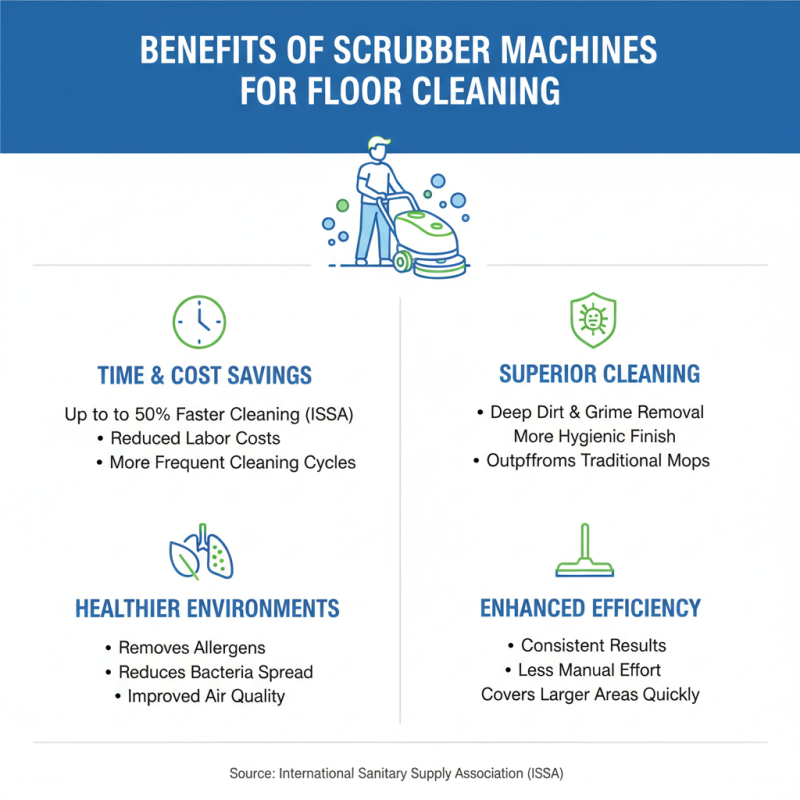
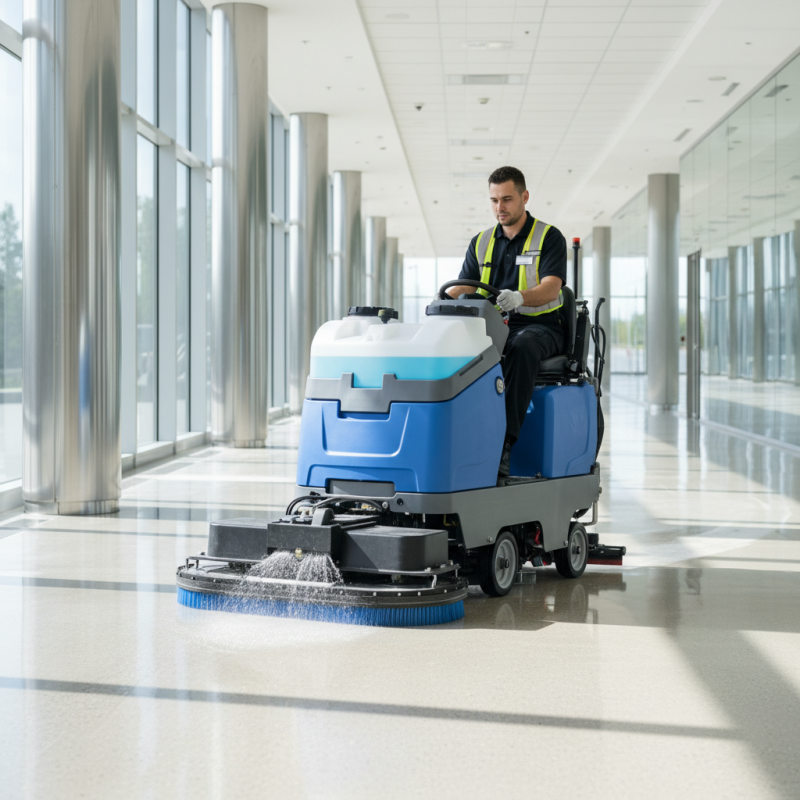
Using a scrubber machine for floor cleaning has distinct benefits that can dramatically enhance cleaning efficiency. According to the International Sanitary Supply Association (ISSA), using a scrubber could reduce cleaning time by up to 50%. This efficiency not only saves labor costs but also allows for more frequent cleaning cycles, leading to healthier environments. A scrubber machine deeply cleans floors, removing dirt and grime that traditional mops may leave behind, thus resulting in a more thorough hygienic finish.
Additionally, these machines can significantly improve slip resistance on floors. A report from the National Floor Safety Institute states that wet floors are a major cause of workplace accidents. Using scrubbers to dry surfaces quickly minimizes this risk. However, it's essential to remember that not all surfaces are suitable for scrubbers. Some delicate floors may suffer damage if not handled correctly. Regular training for operators is necessary to maximize benefits and mitigate risks. Investing in this machinery demands a thorough understanding of both the benefits and potential drawbacks.
Different Types of Scrubber Machines for Various Cleaning Purposes
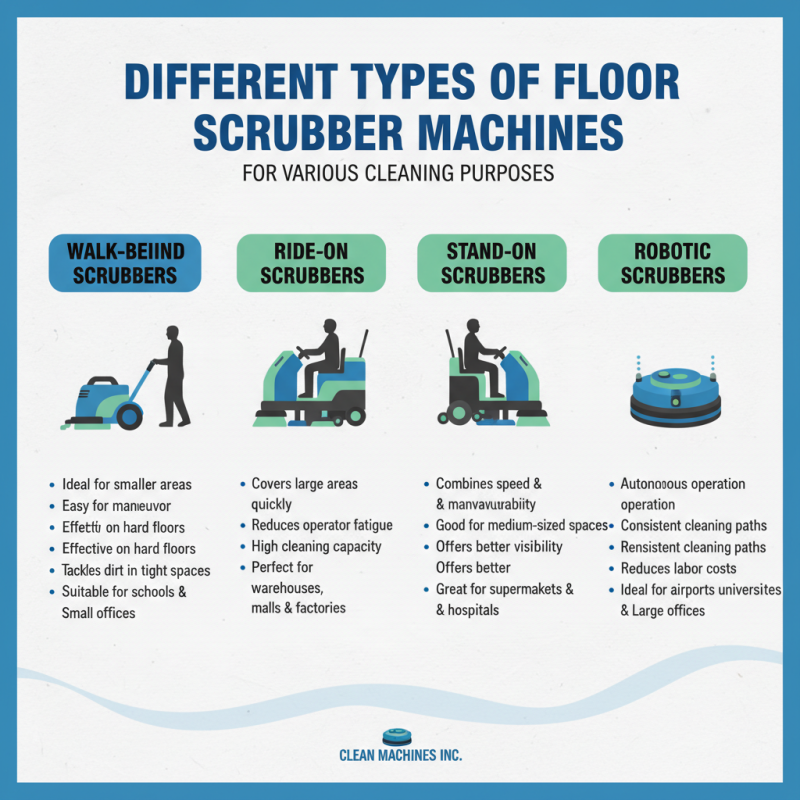
Scrubber machines come in various types, each designed for specific cleaning tasks. For instance, walk-behind scrubbers are ideal for smaller areas. They are easy to maneuver and effective on hard floors. These machines can tackle dirt build-up in tight spaces, providing a thorough clean without excessive effort. Their compact design makes them suitable for facilities like schools and small offices.
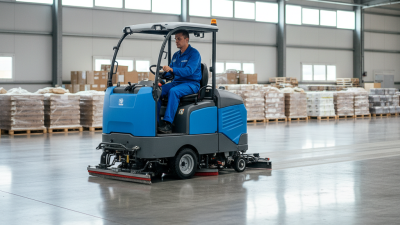
On the other hand, ride-on scrubbers are designed for larger surfaces. They allow operators to clean vast areas quickly and efficiently. These machines feature larger water tanks and more robust scrubbing systems. While they excel in larger venues, they may require more training to operate safely. Ensuring the operator's comfort and familiarizing them with the machine are vital steps.
Specialized scrubbers, such as those designed for outdoor use, can handle different surfaces. They might come with features to deal with grime on asphalt or concrete. Choosing the right scrubber machine needs careful consideration of the environment and cleaning requirements. Users may need to reflect on their cleaning frequency, surface types, and dirt levels. The wrong choice could lead to inefficient cleaning or equipment damage.
Factors to Consider When Choosing a Scrubber Machine
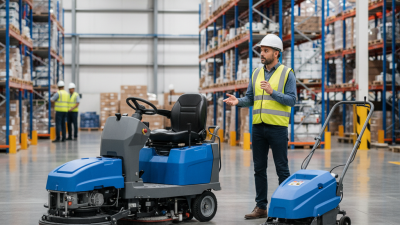
When selecting a scrubber machine for your cleaning needs, consider key factors that influence efficiency and effectiveness. The size of the machine plays a crucial role. A larger scrubber can cover wide surfaces faster but may be cumbersome in tight spaces. According to a report by the International Journal of Cleaning Science, optimal machine size can enhance productivity by up to 30%. Smaller models can provide flexibility but may require more time for extensive areas.
Another critical aspect is the type of cleaning environment. Machines designed for industrial settings often have robust features for heavy-duty tasks. Conversely, commercial units may be more suitable for routine janitorial work. A report from the Cleanliness Industry Association indicates that choosing the right type can reduce operational costs by around 15%. Additionally, battery-powered models offer significant advantages. They eliminate cords, enhancing mobility, yet require careful management of charging cycles.
Lastly, consider maintenance needs. A reliable scrubber machine should balance performance with ease of upkeep. Regular maintenance can mitigate costly repairs and ensure optimal operation. However, many users overlook this aspect, leading to subpar results. A study by the Facility Management Journal shows that 20% of organizations experience performance drops due to neglect. Reflecting on these factors will guide you in making informed choices that align with your cleaning objectives.
Why Choose a Scrubber Machine for Your Cleaning Needs? - Factors to Consider When Choosing a Scrubber Machine
| Feature |
Description |
Importance |
| Cleaning Performance |
Ability to remove dirt and stains effectively. |
High |
| Machine Size |
Dimension and weight, affecting maneuverability. |
Medium |
| Battery Life |
Duration the machine operates before needing recharge. |
High |
| Ease of Use |
User-friendly controls and setup. |
High |
| Maintenance |
Frequency and ease of required maintenance routines. |
Medium |
| Noise Level |
Sound produced during operation, affecting environment. |
Medium |
| Cost |
Initial purchase price and long-term operating costs. |
High |
Cost-Effectiveness of Scrubber Machines Compared to Traditional Methods
Cleaning efficiency is crucial for businesses today. Scrubber machines offer a significant return on investment. According to a report from the Cleaning Industry Research Institute, using scrubbers can reduce labor costs by up to 50% compared to traditional mopping methods. These machines clean floors faster and more effectively, ensuring a cleaner environment.
Moreover, scrubber machines consume less water and cleaning solution. Studies show that they can use up to 70% less water than manual cleaning methods. This not only reduces costs but also minimizes environmental impact. Many organizations focus on sustainability, making scrubbers an attractive choice.
Investing in scrubber machines may require a higher initial expenditure. However, the long-term savings in labor, water, and supplies make them a wise decision. Some facilities may face hurdles when transitioning from traditional methods. Change is never easy, and training staff on new equipment can seem daunting. Yet, the benefits far outweigh the challenges.
Maintenance Tips for Prolonging the Life of Your Scrubber Machine
Proper maintenance of your scrubber machine ensures optimal performance and longevity. Regular inspections are essential. Check for wear and tear on brushes and pads. Replace them when necessary to avoid ineffective cleaning. Pay attention to the recovery tank. Empty it frequently to prevent clogs. Clean filters routinely; dirty filters can hamper suction power.
Fluids play a crucial role. Regularly check the battery and maintain proper fluid levels. Corrosion can be a slow process, but it can be damaging. Ensure all connections are clean and secure. Develop a cleaning schedule. This helps in staying on top of maintenance tasks. Neglect can lead to costly repairs.
Educate your team on the scrubber's use. Misuse can lead to premature wear. Sometimes, rushing through tasks causes mistakes. A little patience can go a long way. Consider keeping a maintenance log. This ensures that nothing is overlooked. Reflect on your cleaning routines. Are you doing enough? Regular checks can save time and money.
Cleaning Efficiency of Scrubber Machines vs. Traditional Cleaning Methods
This chart compares the cleaning efficiency of scrubber machines with traditional cleaning methods across various surfaces. As shown, scrubber machines significantly enhance the cleaning effectiveness, reducing time and effort.