How to Choose the Best Floor Cleaning Equipment for Your Needs
Choosing the right floor cleaning equipment is essential for maintaining a clean and healthy environment, whether it’s in a residential setting or a commercial space. With a diverse range of options available, understanding your specific cleaning needs is crucial in making an informed decision. Factors such as the type of flooring, the size of the area, and the level of foot traffic can significantly impact the effectiveness of the chosen equipment.
In today’s market, floor cleaning equipment comes in various forms, including mops, vacuums, scrubbers, and steam cleaners. Each type is designed to tackle specific cleaning challenges, making it important to evaluate the unique requirements of your floors. Moreover, considering the ease of use, maintenance, and efficiency of the equipment can further enhance your cleaning routine. As cleanliness not only affects aesthetics but also contributes to overall hygiene, selecting the best equipment tailored to your needs will ensure that your floors remain spotless and safe for everyone.
In this guide, we will explore key considerations when choosing floor cleaning equipment, helping you navigate the options available and ensure that your cleaning efforts are both effective and efficient.
Key Factors to Consider When Choosing Floor Cleaning Equipment
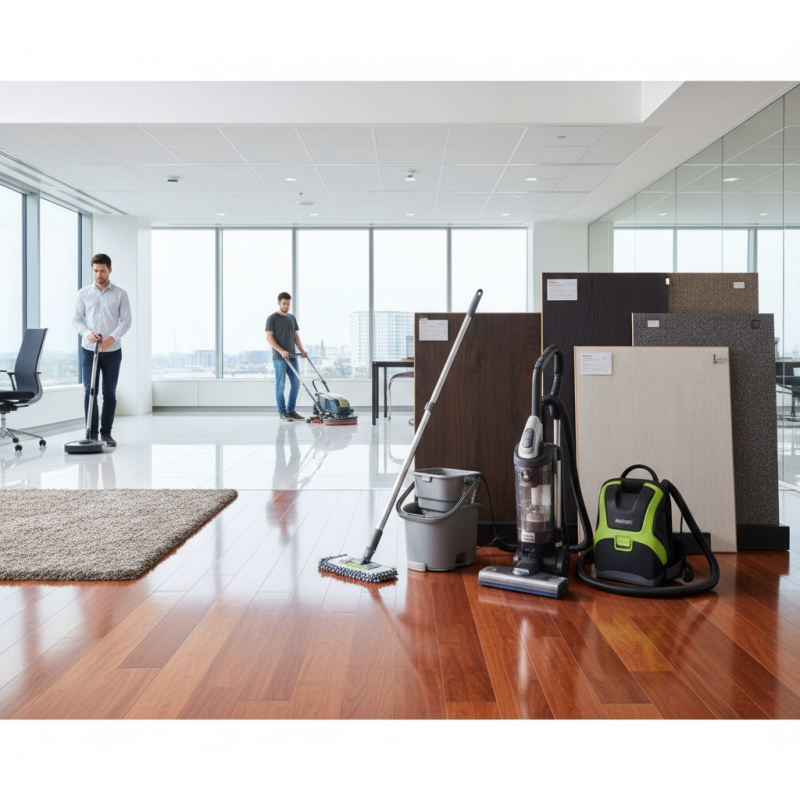
When choosing floor cleaning equipment, several key factors must be considered to ensure that you select the best option for your specific needs. One of the primary aspects is the type of flooring you have. According to the "Global Floor Cleaning Market Analysis" report by Research and Markets, different floor types, such as hardwood, tile, and carpet, require distinct cleaning methods and equipment. For instance, steam cleaners are ideal for hard surfaces, while carpet extractors are more suited for fabrics. Understanding your flooring’s needs is crucial for effective maintenance and longevity.
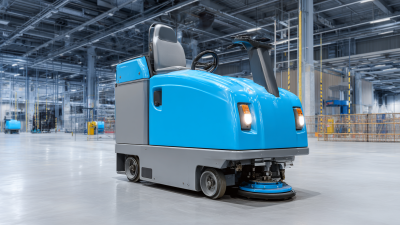
Another critical factor is the scale of the cleaning task. A report from IBISWorld highlights that the demand for versatile cleaning equipment has risen, particularly in commercial settings where efficiency is key. For larger areas, walk-behind scrubbers or ride-on machines can significantly reduce labor costs and time. However, for smaller spaces, compact and lightweight options may be more appropriate. Assessing the scope of your cleaning requirements enables you to choose equipment that maximizes productivity while minimizing operational costs. Further, consider the ease of use and maintenance of the equipment to ensure it fits seamlessly into your cleaning routine.
How to Choose the Best Floor Cleaning Equipment for Your Needs
Types of Floor Cleaning Equipment Suitable for Different Floor Materials
When selecting floor cleaning equipment, it is crucial to consider the
type of flooring material in your space, as different surfaces require distinct cleaning methods and tools. For hard surfaces such as tile and hardwood, equipment like wet vacuums and floor scrubbers is ideal. According to a report from the
International Sanitary Supply Association (ISSA), utilizing floor scrubbers can increase productivity by
up to 30%, making it an effective choice for large commercial spaces.
For carpets, a high-quality extractor is necessary to remove deep-seated dirt and stains. A study published in the
Journal of Cleaning Science indicates that carpet extractors can remove
up to 98% of allergens from carpets, significantly improving indoor air quality. This highlights the importance of choosing the right equipment for your flooring type to maintain
cleanliness and hygiene.
Tips: When selecting equipment, ensure that you factor in the size of the area to be cleaned and the specific dirt types present. For high-traffic areas, it may be beneficial to invest in
more robust machinery that can withstand frequent use. Also, consider maintenance requirements; some
equipment will need more upkeep than others, impacting long-term costs.
Evaluating Size and Portability of Floor Cleaning Machines
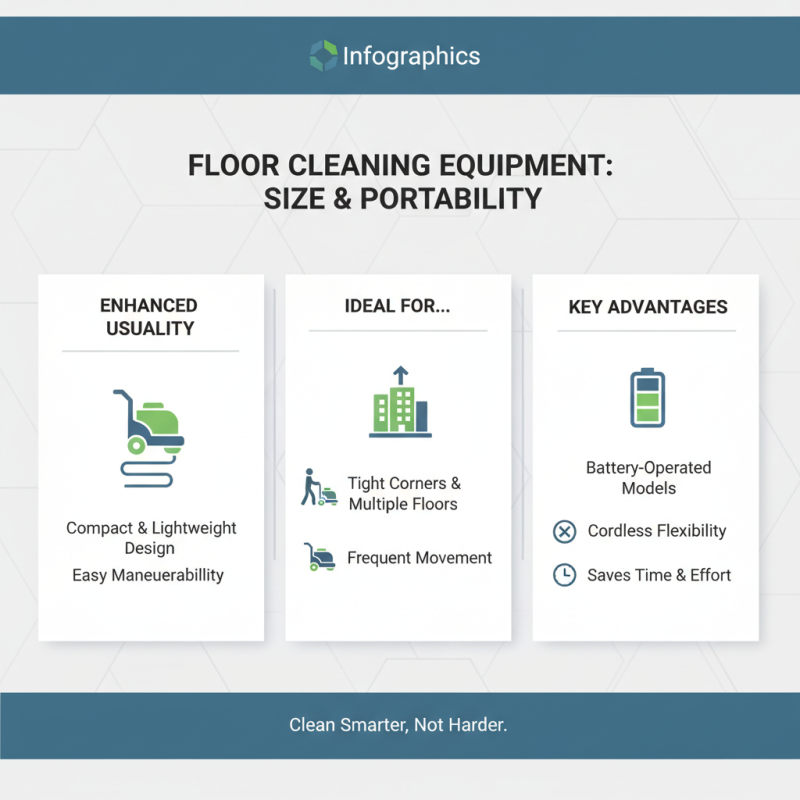
When selecting floor cleaning equipment, one of the most crucial factors to consider is the size and portability of the machines. A compact and lightweight design can significantly enhance usability, particularly in spaces that are confined or require frequent movement between areas. For instance, if you are managing a facility that has tight corners or multiple floors, opting for a machine that is easy to transport and maneuver can save both time and effort. Battery-operated models can also enhance portability, offering flexibility without the constraints of power cords.
Additionally, the size of the cleaning equipment should align with the scale of the cleaning tasks at hand. Larger machines may cover ground more quickly in expansive areas, but they can become cumbersome in smaller spaces where agility is needed. Conversely, smaller devices might not be as efficient for large-scale operations. Therefore, it's essential to evaluate the specific needs of your environment and choose a machine that strikes a balance between efficiency and ease of navigation. By considering both size and portability, you can ensure that your floor cleaning solution meets your operational requirements while remaining user-friendly.
Analyzing Cost-Benefit of Floor Cleaning Equipment Options
When selecting floor cleaning equipment, it's crucial to analyze the cost-benefit of various options to ensure that your investment aligns with your specific cleaning needs. The initial cost of equipment is often a significant consideration, but it's essential to also factor in operational costs such as maintenance, energy consumption, and the longevity of the equipment. For instance, while a lower-priced machine might seem appealing at first, it could require more frequent repairs or replacements, ultimately increasing long-term expenses.
Moreover, the efficiency and effectiveness of cleaning equipment play a pivotal role in determining its overall value. Evaluate how well different options handle the types of flooring you'll be cleaning and the volume of traffic they will encounter. Equipment that might have a higher upfront cost could save time and labor in the long run, contributing to a better return on investment.
Additionally, considering features such as versatility and ease of use can enhance productivity and satisfaction, providing further justification for the initial expenditure. Balancing these factors will help you choose the best floor cleaning equipment for your specific environment and budget.
Maintenance and Support Considerations for Floor Cleaning Equipment
When selecting floor cleaning equipment, maintenance and support considerations play a crucial role in ensuring longevity and optimal performance. Regular upkeep is essential; therefore, it is important to understand the manufacturer's recommendations for maintenance schedules and procedures.
Choose equipment that allows for easy access to components for cleaning and repairs, as complicated disassembly can lead to costly downtime. Moreover, equipment that comes with clear maintenance guidelines and instructional resources simplifies the process and encourages consistent care.
Additionally, consider the availability and quality of customer support provided by the manufacturer or supplier. Reliable support can significantly reduce the challenges associated with equipment issues. Look for companies that offer comprehensive warranties, parts availability, and knowledgeable support teams ready to assist with troubleshooting.
Access to online resources, such as user forums or instructional videos, can also enhance your understanding of the equipment and aid in addressing minor issues without delay. By prioritizing these aspects, you can ensure that your floor cleaning equipment remains efficient and effective over time.