How to Choose the Best Auto Scrubber Machine for Your Cleaning Needs?
Choosing the right Auto Scrubber Machine can greatly impact your cleaning efficiency. Industry expert John Smith emphasizes, “A well-selected machine boosts productivity and ensures cleanliness.” With various models available, the decision can feel overwhelming.
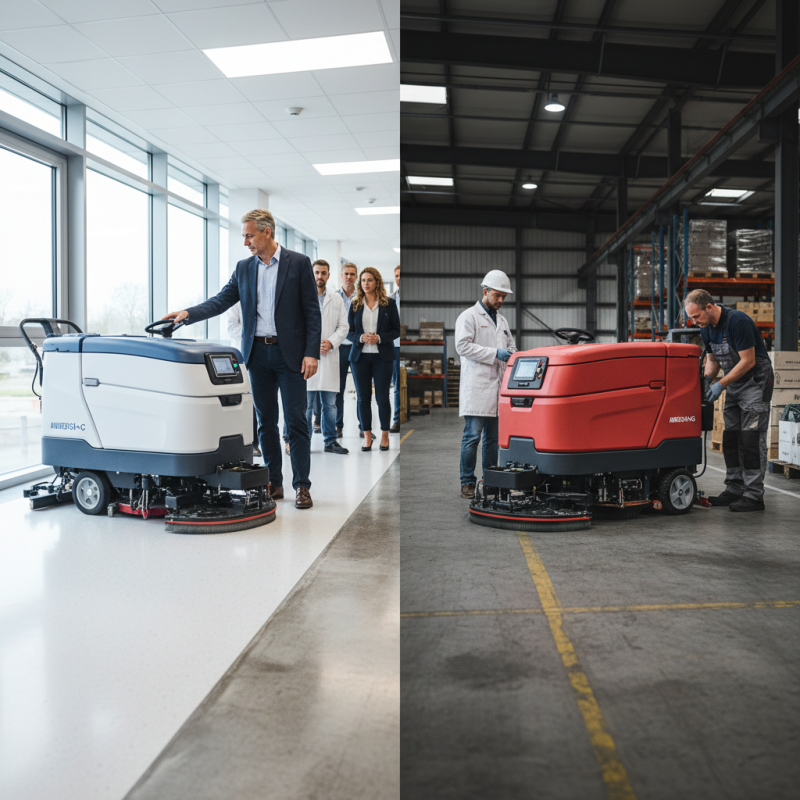
Different environments require different features. For instance, a healthcare facility needs advanced disinfecting capabilities. In contrast, a warehouse may prioritize maneuverability and battery life. Each requirement adds complexity to the selection process.
Understanding your specific needs is crucial. Sometimes, we might overlook key features due to excitement about specifications. This leads to regret when the machine fails to perform as expected. Careful consideration, along with expert insights, will guide you towards the best Auto Scrubber Machine for your tasks.
Understanding the Different Types of Auto Scrubber Machines
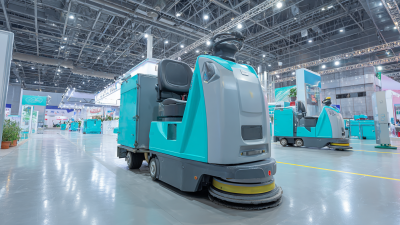
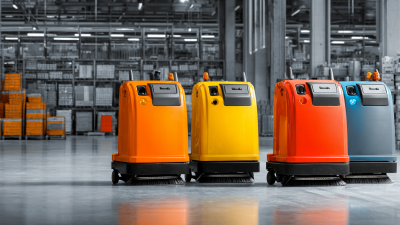
When choosing an auto scrubber machine, understanding the types available is essential. There are walk-behind scrubbers, which are compact and easy to maneuver. They work well for small to medium spaces. Then, there are ride-on scrubbers that cover larger areas quickly. These machines are ideal for warehouses and big retail stores.
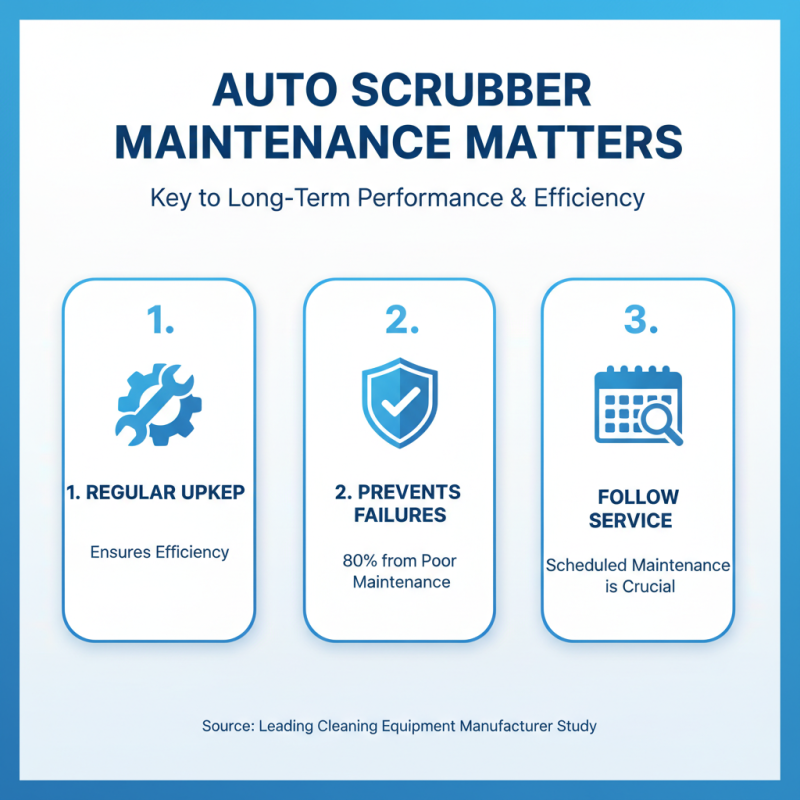
Another type is the combination scrubber and vacuum machine. This dual function saves time by both scrubbing and collecting debris in a single pass. While these machines are efficient, they may require more maintenance. Regular checks on the brushes and water tanks can prevent costly repairs.
Keep in mind the size of the space to be cleaned. A larger area might benefit from a ride-on machine, but it could also be overkill in a small setting. Balancing efficiency with the right machine type can be tricky. Identify your cleaning needs first, and then explore options based on those needs.
Assessing the Size and Layout of Your Cleaning Area
When assessing the size and layout of your cleaning area, consider the space you need to cover. Large open areas require different machines than congested spaces. Think about how aisles, furniture, and fixtures impact maneuverability. Sweeping paths must be clear and accessible. A compact design might be useful in tight areas like restaurants or retail spaces.
Measure the lengths and widths of rooms. Note any obstructions that might hinder cleaning. For example, small clinics may not need heavy-duty machines, while spacious warehouses can benefit from larger models. You might overlook certain corners or hard-to-reach locations. This can lead to missed spots.
Reflect on the cleaning frequency as well. High-traffic areas may need heavy scrubbing. In contrast, occasional spills require lighter machines. Understand the operational flow of the area. Are there specific times when the area is busier? This can affect when you schedule cleaning sessions. A thoughtful approach to size and layout impacts overall efficiency.
Evaluating the Desired Cleaning Performance and Features
Choosing the right auto scrubber machine involves evaluating key performance factors. Consider the type of flooring you have. Different surfaces require different cleaning methods and brush types. For example, some scrubbing pads work well on hard surfaces but may scratch delicate floors.
When assessing features, think about the water and detergent consumption. A highly efficient machine uses less water. This also aids in quicker drying times, which is essential for busy spaces. Explore models that have adjustable settings. This flexibility can help you tackle various cleaning tasks effectively.
Tips: Look for machines with ergonomic designs. They are easier to maneuver and reduce operator fatigue. Pay attention to noise levels, especially in environments where quiet operation is crucial. Don't overlook the importance of a warranty and customer support. It can save you headaches later.
Lastly, reflect on your specific cleaning needs. A machine that may be perfect for one organization might not meet yours. Make sure to test different models to find the best fit. Different conditions can lead to different results. Choosing wisely is key.
Budget Considerations for Purchasing Auto Scrubber Machines
When purchasing auto scrubber machines, budget plays a crucial role. It's essential to start with establishing your budget limit. Look at the overall cost, including maintenance and replacement parts. You might find low-cost models but consider their long-term value. Sometimes, cheaper machines do not last as long or require frequent repairs. Therefore, think about the hidden expenses.
Adjust your expectations based on your budget. A higher price often indicates better quality and durability. Ask yourself, how often will I use it? Daily use may justify a larger investment. Consider additional features too. Some machines come with advanced technology, which may be beneficial for larger spaces or unique cleaning needs. However, this can push the price up significantly.
Lastly, remember that your budget should reflect your specific cleaning requirements. Not every model is right for every situation. A compact, budget-friendly scrubber might suffice for small areas. However, if you manage larger facilities, investing more makes sense. Take your time to weigh these factors.