How to Choose the Best Auto Scrubber Machine?
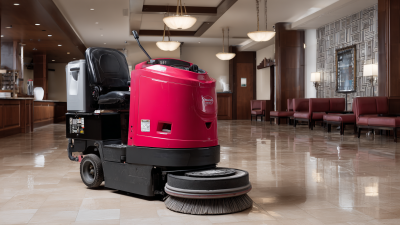
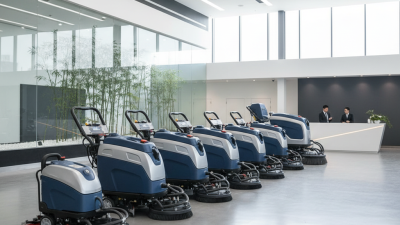
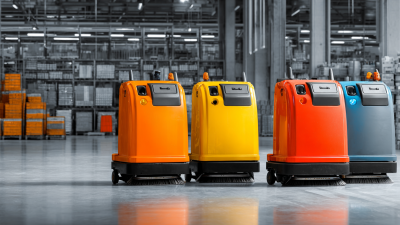
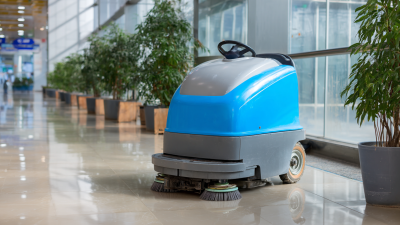
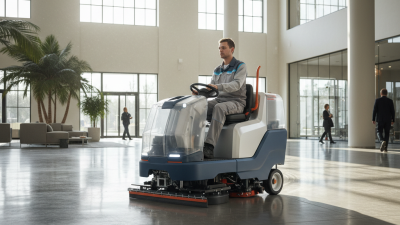
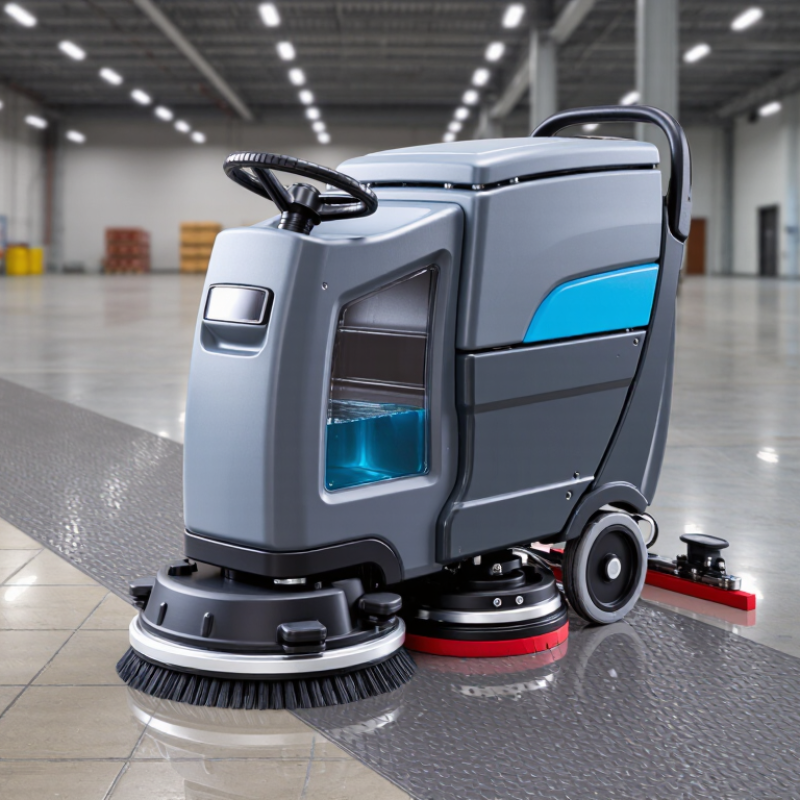
Choosing the right Auto Scrubber Machine is not simply a matter of selecting the largest model or the lowest price. The best choice depends on floor size, surface condition, cleaning frequency, and operator experience. A compact walk-behind machine may suit a crowded retail aisle, while a ride-on model can reduce labor in a warehouse or airport. Measure doorways, turning spaces, storage areas, and charging locations before comparing machines. Small details matter.
Practical testing should guide the decision. Observe how the machine handles tile grout, polished concrete, textured vinyl, and wet corners. Check brush pressure, cleaning width, water recovery, battery runtime, noise level, and drying performance. A machine that leaves puddles after one pass may create safety concerns and extra work. Ask suppliers for demonstrations, maintenance schedules, spare-part availability, and clear warranty terms. Trusted manufacturers should explain limitations, not only advertise speed.
There is no perfect machine.
Experience often reveals what product brochures miss. A large recovery tank sounds useful, but it can make daily handling difficult. Longer battery life helps, yet charging time and battery replacement costs deserve equal attention. I would also question impressive coverage rates, because real results change with obstacles, heavily soiled areas, and operator habits. Compare total ownership costs over several years, then choose the Auto Scrubber Machine that delivers consistent cleaning, manageable maintenance, and dependable support for your actual facility.
Measure Floor Area with ISSA Cleaning-Time Benchmarks
How to Choose the Best Auto Scrubber Machine?
Measure the real floor first. ISSA’s 612 Cleaning Times benchmarks commonly place automatic scrubbing near 20,000–30,000 square feet per productive hour. This range assumes reasonable conditions, including open floors, limited obstacles, and consistent machine operation. It does not represent a guaranteed shift output.
Divide the cleanable floor area by the machine’s benchmark rate. A 60,000-square-foot warehouse may require two to three productive hours on paper. However, ISSA’s cleaning-time method also recognizes setup, travel, solution refilling, battery changes, and recovery-tank emptying. These details quietly consume time. I would reduce the theoretical rate by 25% to 40% in a busy facility. That adjustment is imperfect, but it is safer than trusting a brochure figure.
The math looks clean. The building is not.
APPA’s Custodial Staffing Guidelines also emphasize occupancy, floor layout, soil load, and service frequency when developing labor estimates. A compact machine may suit a crowded school with narrow aisles. A wider ride-on unit may fit an open distribution floor better. Measure turning space, doorway width, storage access, and daily traffic before comparing machine capacity.
Test one representative zone during a normal shift. Record actual square feet cleaned, water usage, stoppages, and operator fatigue. The first estimate may be wrong. That is useful information.
Estimate Output: Width × Speed × 60 × 0.75–0.85 Efficiency
How to Choose the Best Auto Scrubber Machine?
Estimate Output: Width × Speed × 60 × 0.75–0.85 Efficiency
Choosing an auto scrubber starts with the cleaning area, not the machine’s appearance. Measure the cleaning path width in meters and confirm the travel speed in kilometers per hour. Then use this practical formula: Width × Speed × 60 × 0.75–0.85. The result estimates square meters cleaned per hour.
For example, a 0.6-meter machine traveling at 4 kilometers per hour gives 0.6 × 4 × 60 × 0.8, or about 1,152 square meters per hour. This is a planning figure, not a guaranteed result. Real floors disagree. Doorways, shelves, corners, and pedestrian traffic reduce productive time.
Measure the route.
I often begin with 0.75 efficiency in crowded facilities and use 0.85 only for open, clear floors. A wider machine may appear faster, but it can struggle in narrow aisles. Excessive speed may also reduce water recovery and cleaning quality. Watch the machine during a normal shift, not during a perfect demonstration. Record turning time, tank refills, battery changes, and repeated passes. These details expose weak assumptions. A smaller scrubber can sometimes deliver better daily output because operators control it more easily. Calculate capacity, then test the estimate on the actual floor.
How to Choose the Best Auto Scrubber Machine?
Estimated cleaning output is calculated as:
Cleaning Width × Speed × 60 × Efficiency.
The chart assumes a working speed of 50 meters per minute and shows the practical output range using 75%–85% operating efficiency.
Wider cleaning paths generally increase hourly productivity, but actual results also depend on obstacles, turns, operator control, water management, floor conditions, and refilling time. Values are expressed in square meters per hour.
Compare Tank Capacity, Brush Pressure, and Recovery-Rate Data
How to Choose the Best Auto Scrubber Machine?
Tank capacity affects working time, but bigger is not always better. EPA’s WaterSense at Work guide treats water use per cleaned area as a key efficiency measure. A 40-liter solution tank may suit a compact retail floor. Larger warehouses may need 70 liters or more. However, a heavy tank increases transport effort and battery demand. Check the machine’s measured coverage, not only its advertised capacity.
Brush pressure changes cleaning results. Light pressure works for daily dust and fine soil. Heavier pressure helps remove embedded grime, but excessive force can damage coatings. Industry testing guidance from ISSA stresses repeatable cleaning conditions, including soil level, floor type, and pass speed. Recovery rate also matters. Calculate it as recovered water divided by dispensed water. In field conditions, 80–90% recovery is a practical target on smooth floors. Curved floors, worn squeegees, and sharp turns can reduce it. I would not trust catalog figures alone. They often describe ideal testing.
Tips: Compare tank capacity with real coverage per charge. Ask for recovery-rate test conditions. Inspect the squeegee after several passes. A small leak can leave wet footprints. Record water use, brush pressure, and drying time during a trial. That evidence is more useful than a polished brochure.
How to Choose the Best Auto Scrubber Machine? - Compare Tank Capacity, Brush Pressure, and Recovery-Rate Data
| Machine Configuration |
Recommended Area |
Solution Tank Capacity |
Recovery Tank Capacity |
Brush Pressure |
Theoretical Productivity |
Practical Productivity |
Water Recovery Rate |
Typical Runtime |
Best Use Case |
| Compact Walk-Behind |
Up to 10,000 sq ft |
8–12 gal
(30–45 L) |
9–13 gal
(34–49 L) |
35–55 lb
(16–25 kg) |
18,000–24,000 sq ft/h |
9,000–14,000 sq ft/h |
85–92% |
1.5–2.5 h |
Retail aisles, offices, clinics |
| Standard Walk-Behind |
10,000–30,000 sq ft |
13–20 gal
(49–76 L) |
15–22 gal
(57–83 L) |
50–80 lb
(23–36 kg) |
24,000–32,000 sq ft/h |
12,000–20,000 sq ft/h |
88–94% |
2–3.5 h |
Schools, supermarkets, warehouses |
| Heavy-Duty Walk-Behind |
30,000–60,000 sq ft |
20–30 gal
(76–114 L) |
22–35 gal
(83–132 L) |
70–110 lb
(32–50 kg) |
30,000–42,000 sq ft/h |
16,000–26,000 sq ft/h |
90–95% |
2.5–4 h |
Distribution centers, production floors |
| Compact Ride-On |
30,000–80,000 sq ft |
15–25 gal
(57–95 L) |
17–28 gal
(64–106 L) |
90–150 lb
(41–68 kg) |
35,000–55,000 sq ft/h |
20,000–35,000 sq ft/h |
90–96% |
2.5–4 h |
Large retail and institutional floors |
| Industrial Ride-On |
60,000+ sq ft |
25–40 gal
(95–151 L) |
30–45 gal
(114–170 L) |
120–220 lb
(54–100 kg) |
45,000–75,000 sq ft/h |
28,000–50,000 sq ft/h |
92–97% |
3–5 h |
Factories, airports, logistics facilities |
Data interpretation: Theoretical productivity is calculated from cleaning width and maximum travel speed. Practical productivity allows for turning, refilling, overlap, obstacles, and operator breaks. Water recovery rate represents the proportion of dispensed cleaning solution collected by the recovery system under clean, level-floor operating conditions. Actual performance varies with floor texture, pad or brush type, soil load, speed, squeegee condition, and battery age.
Match Runtime and Charging to IEC 60335-2-72 Safety Requirements
How to Choose the Best Auto Scrubber Machine?
Runtime and charging deserve careful attention when selecting an auto scrubber machine. A quoted runtime is never a promise. Floor texture, brush pressure, water flow, operator speed, and battery age can change results. Test the machine on your actual route. Record the cleaning area, operating time, and remaining battery level. This creates useful evidence instead of relying only on a brochure.
IEC 60335-2-72 addresses safety requirements for powered commercial floor treatment machines. It should guide your evaluation of the complete machine, including the battery system and charger. Ask for conformity documentation, clear operating instructions, and charging procedures. Check whether the charger matches the battery chemistry and voltage. Also inspect protection against overheating, incorrect connection, and abnormal charging conditions. Charging should occur in the environment specified by the manufacturer. A fast charger may reduce downtime, but it can also affect battery temperature and service life if poorly matched.
Tips: Compare usable runtime, not laboratory runtime. Measure a full shift, including stops and solution refills. Leave charging time between shifts. Check the charging socket, cable, and ventilation area regularly. Replace damaged parts promptly. Do not assume a larger battery is always better; added weight may increase energy use and reduce handling comfort. One practical weakness is often overlooked: operators may skip charging records. Simple logs can reveal declining capacity early and support safer maintenance decisions.
Reject Models Above OSHA’s 90 dBA 8-Hour Noise Exposure Limit
How to Choose the Best Auto Scrubber Machine?
Noise should be a buying filter, not an afterthought. OSHA’s general industry standard sets a 90 dBA permissible exposure limit for an eight-hour workday. Measure sound at the operator’s ear during normal cleaning, not beside a switched-off machine. Reject models that exceed 90 dBA across a full shift. A few decibels matter. Under OSHA’s 5 dB exchange rate, higher noise sharply reduces safe exposure time.
Test the scrubber with its vacuum motor, brushes, water flow, and drying system operating together. Hard concrete may produce different readings than smooth tile. Empty tanks, worn brushes, and loose panels can also increase vibration and noise. Use a calibrated sound level meter, or request dosimeter results from a qualified safety professional. Ask for the test conditions in writing.
Brochure figures can mislead.
A machine rated at 88 dBA may still create uncomfortable exposure in a small corridor. Conversely, a short cleaning task may not equal an eight-hour exposure. That distinction requires careful judgment. Check the operator’s actual schedule, nearby workers, and background noise. If readings approach 90 dBA, select a quieter model instead of relying on hearing protection alone. Comfort, communication, and consistent use often reveal weaknesses that specifications miss. I would also retest after maintenance, because a “quiet” machine can become surprisingly loud.