How to Choose the Best Ride On Scrubber for Your Facility?
Choosing the right equipment for your facility can feel daunting. The "Ride On Scrubber" stands out as an essential tool for maintaining cleanliness. This machine offers efficiency and ease of use, making it popular among facility managers. However, not all ride-on scrubbers are created equal.
When evaluating options, consider specific needs. Your facility's size, layout, and type of flooring matter. Each aspect impacts your choice. For instance, large open spaces may require machines with longer battery life or wider cleaning paths. On the other hand, smaller areas might need compact models for maneuverability. A thorough assessment of your environment is crucial.
Reviews and expert opinions can guide your decision-making. Investing time in research helps ensure that you choose a reliable ride-on scrubber that meets your requirements. Balancing features, price, and maintenance needs can be challenging. However, making an informed choice can lead to significant long-term benefits for your facility's cleanliness and efficiency.
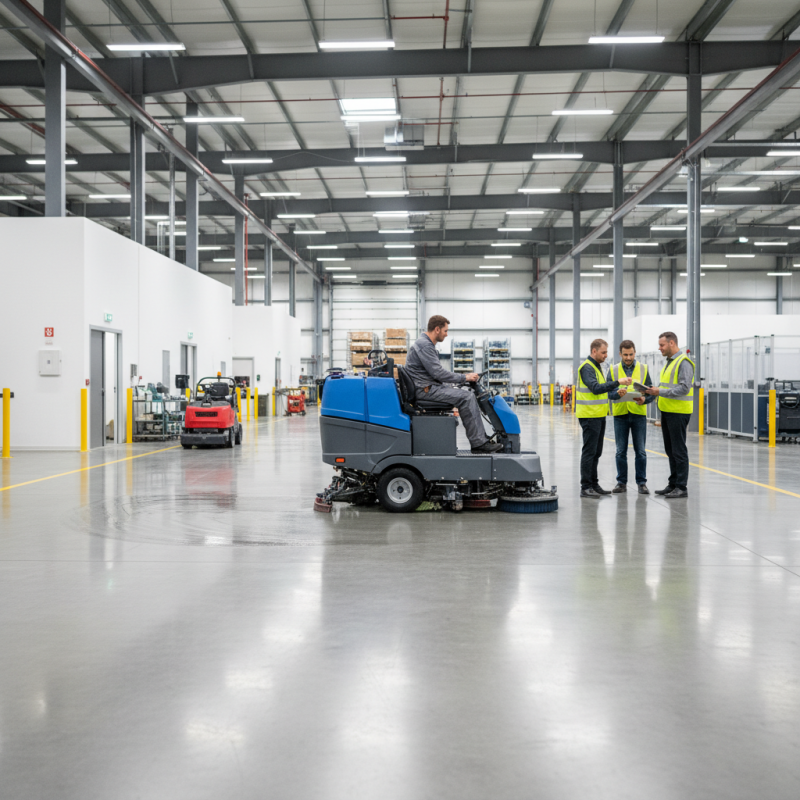
Understanding Your Facility's Cleaning Needs for a Ride-On Scrubber
When selecting a ride-on scrubber, understanding your facility's unique cleaning needs is crucial. Businesses often overlook specific factors, which can lead to suboptimal cleaning results. A well-researched report from the Cleaning Industry Research Institute indicates that 80% of facility managers struggle with choosing the right equipment due to a lack of understanding of their cleaning requirements.
Consider the size and type of your facility. A large warehouse demands a powerful machine, while a hospital requires equipment that meets strict sanitation standards. Data reveals that approximately 30% of facility cleaning budgets is allocated to equipment, underscoring the importance of choosing wisely. Analyze the various surfaces in your space as well; different flooring materials may need unique brushes or cleaning solutions to ensure effectiveness.
Moreover, efficiency matters significantly. It's reported that ride-on scrubbers can reduce cleaning time by up to 50% compared to traditional methods. However, this efficiency comes with a caveat—if the wrong model is selected, cleaning performance may falter, leading to higher operational costs. Evaluate your facility's foot traffic and specific cleaning schedules. Inadequate assessment can lead to choosing equipment that fails to meet your daily demands, resulting in wasted resources and unmet cleanliness standards.
Key Features to Look for in a Ride-On Scrubber
When selecting a ride-on scrubber for your facility, focus on key features that enhance efficiency and ease of use. Pay attention to the size of the scrubber. A compact design can maneuver in tight spaces, while larger models offer increased productivity. The cleaning width is another critical factor. Wider brushes can cover more ground but may be less effective in narrow aisles.
Consider the scrubber's water tank capacity. Larger tanks reduce the need for frequent refills but add weight and bulk. Battery life is also vital. Longer operational times can increase cleaning sessions without interruptions. It’s important to balance capacity with the facility's needs.
Look for user-friendly controls. Intuitive interfaces make training easier. Ergonomically designed seats improve operator comfort. This is often overlooked but essential for long cleaning shifts. Verify if the scrubber has advanced features like automatic floor-drying systems; they enhance safety. Reflect on these features and how they fit your specific environment. Each facility is unique, and the best choice may vary based on those specific demands.
How to Choose the Best Ride On Scrubber for Your Facility?
| Feature |
Description |
Importance |
| Tank Capacity |
The volume of water it can hold, affecting cleaning time and efficiency. |
High |
| Scrubbing Width |
The width of the cleaning path, determining how much area can be covered in one pass. |
Medium |
| Maneuverability |
How easily the scrubber can turn and navigate tight spaces. |
High |
| Battery Life |
Duration a fully charged battery can power the scrubber during use. |
High |
| Ease of Use |
User-friendly controls and mechanisms for operation. |
Medium |
| Weight |
Overall weight of the scrubber, influencing portability and ease of transport. |
Low |
| Noise Level |
The operational noise produced, affecting use in noise-sensitive areas. |
Medium |
| Maintenance Requirements |
Frequency and complexity of maintenance needed to keep the scrubber operational. |
High |
Evaluating Size and Maneuverability for Optimal Performance
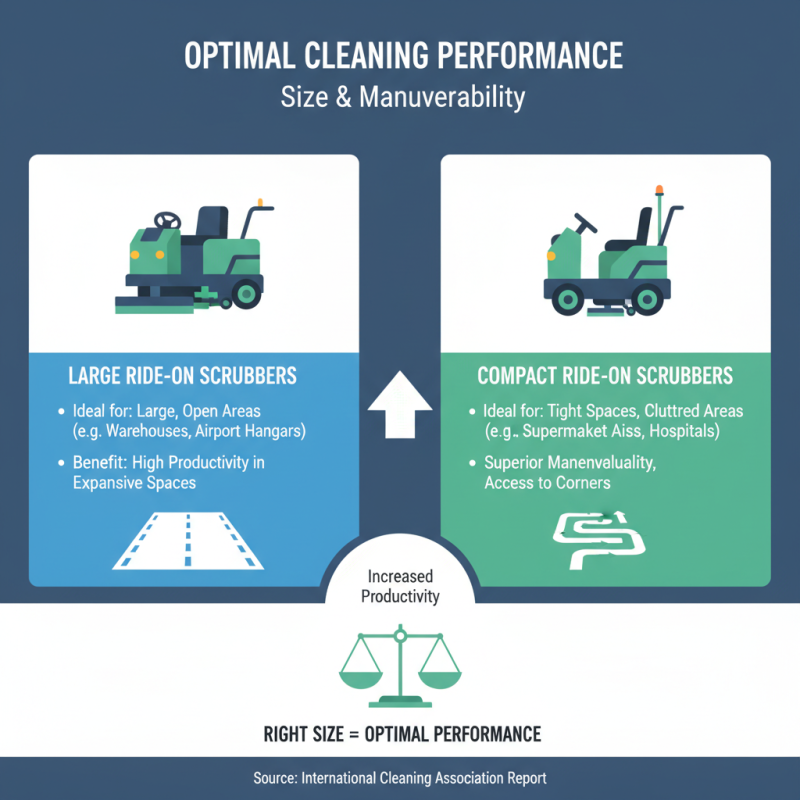
Choosing the right ride-on scrubber is crucial for maintaining a clean facility. One major consideration is size and maneuverability. A report by the International Cleaning Association highlights that the cleaning equipment's dimensions can significantly impact productivity. For large, open areas, larger machines might seem ideal, yet they can be cumbersome in tight spaces.
Maneuverability is essential, especially in congested environments. According to a study, machines with a smaller turning radius can enhance efficiency by up to 20%. When selecting a scrubber, consider the layout of your facility. A unit that can easily navigate narrow aisles or crowded spaces can save time and reduce operator fatigue.
The weight of the scrubber also plays a role in maneuverability. Heavier machines might perform better on larger surfaces but can be difficult to control in tighter spots. An effective scrubber should strike a balance between size and handling. Lack of thorough evaluation may lead to regrets later on, such as delays or inefficiencies during cleaning operations. Finding the right fit for your space is not just about square footage. It's about optimizing performance while ensuring ease of use for operators.
Comparing Different Types of Ride-On Scrubbers in the Market
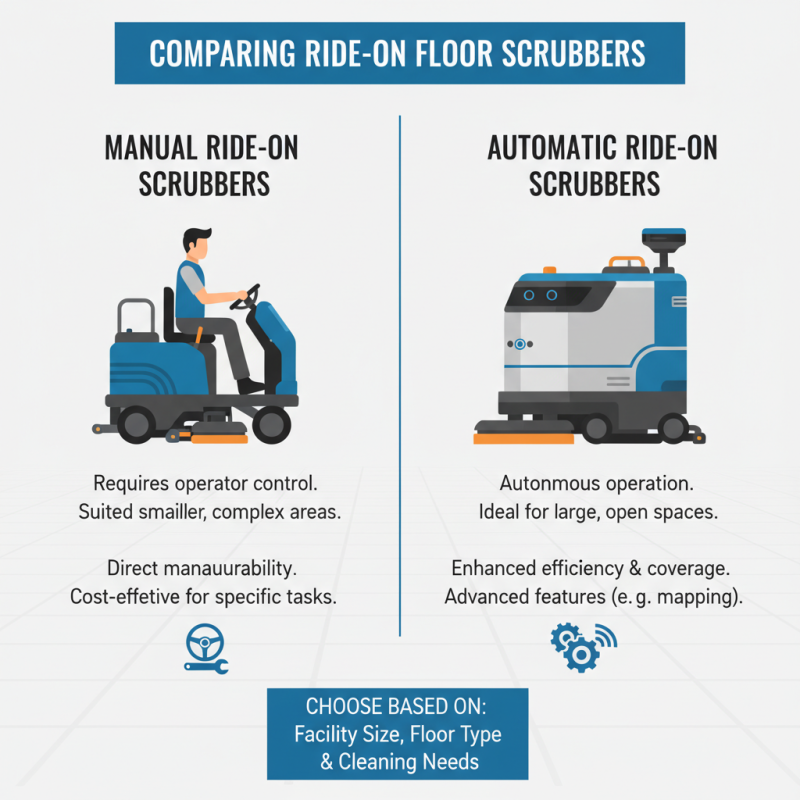
When selecting a ride-on scrubber, it's essential to compare the various options available. There are manual ride-on scrubbers that require operator control and automatic models that enhance efficiency. Each type has unique benefits affecting performance and usability. Choose a model suited to the floor type and size of your facility. Smaller spaces may benefit from compact models, while larger areas can handle robust machines.
Tips: Always assess the scrubber's maneuverability. If your facility has many obstacles, a more agile unit may be necessary. Battery life is another key consideration. Investigate how long the scrubber operates before needing a recharge, especially for extensive cleaning tasks.
Explore features like tank capacity and brush type. A larger tank reduces the need for frequent refills, while different brush styles can handle specific dirt types. Reflect on your cleaning needs. Sometimes, a more expensive option may prove cost-effective in the long run due to its durability and efficiency.
Budget Considerations: Cost vs. Value in Ride-On Scrubber Selection
When selecting a ride-on scrubber for your facility, budget considerations play a crucial role. It's essential to balance cost and value. First, analyze your cleaning needs. A lower-priced scrubber might seem appealing but may lack longevity. Consider the frequency of use and the type of flooring. Some machines excel in specific environments but may not justify the expense for others.
Evaluate the cost of ownership. Maintenance and repair costs can add up quickly. A moderately priced scrubber with a robust warranty could save money long-term. Think about the training of your staff as well. Sometimes, more user-friendly options come with a higher initial price, but they could reduce training costs and downtime.
Reflect on the return on investment. A high-quality machine often translates to better cleaning performance and efficiency. Less time spent on cleaning can lead to significant labor cost savings. Assess how a scrubber fits into your overall operations. Choose wisely, knowing that the cheapest option isn't always the best value.
Cost vs. Value in Ride-On Scrubber Selection