How to Choose the Best Walk Behind Scrubber for Your Needs?
Choosing the right Walk Behind Scrubber can be challenging. Expert Lisa Reynolds, a renowned cleaning industry consultant, emphasizes, "Selecting the right machine depends on specific cleaning needs." Her insight underscores the importance of understanding your environment.
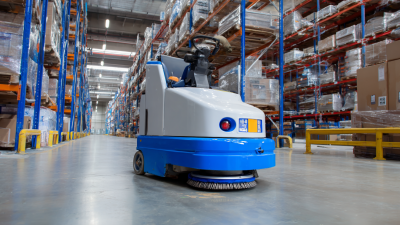
Walk Behind Scrubbers are versatile tools. They cater to various settings, from warehouses to commercial spaces. It is essential to assess the size of the area you plan to clean. Additionally, consider the type of flooring and the level of dirt accumulation you often encounter. These factors will influence your choice.
Many models exist, each with unique features. Some may have greater water capacity, while others offer advanced scrub technology. A well-informed decision can enhance efficiency and productivity. However, hasty choices may lead to dissatisfaction. Take your time to reflect on what best suits your needs. Understanding these dynamics is key to finding your ideal Walk Behind Scrubber.
Understanding Walk Behind Scrubber Types and Features
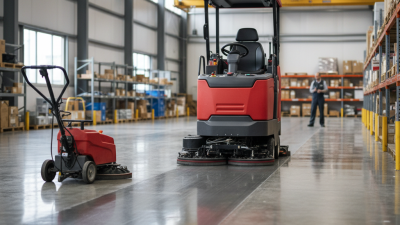
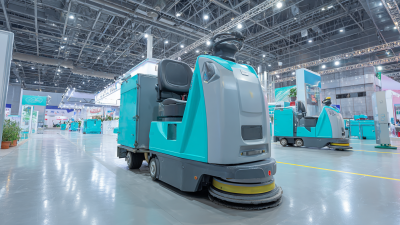
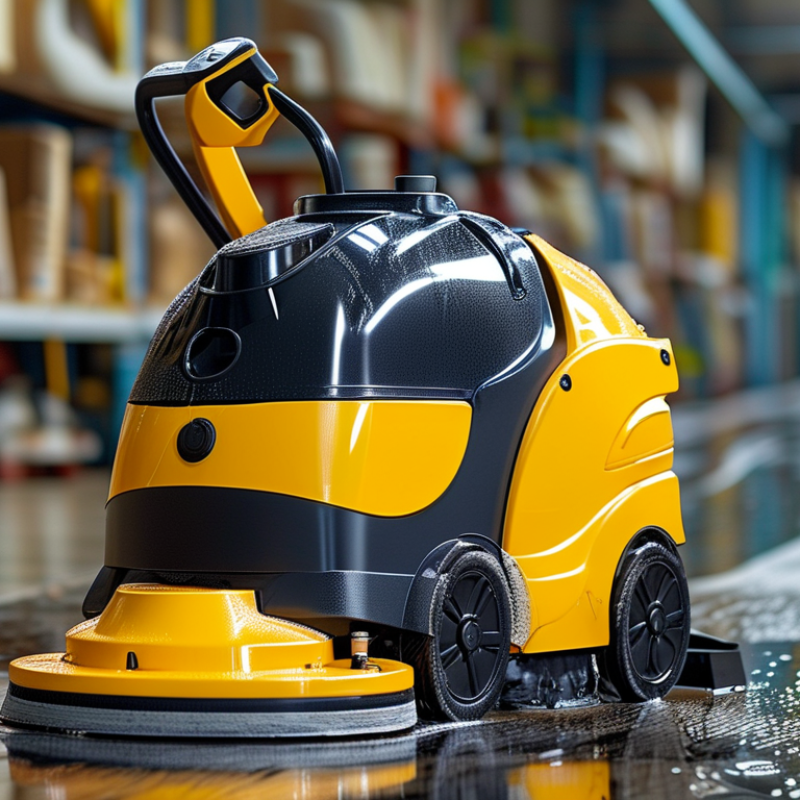
When selecting a walk-behind scrubber, understanding the types and features is crucial. There are various scrubbers, each designed for specific environments. For instance, compact models are perfect for tight spaces, while larger units tackle expansive areas. Battery-operated versions offer mobility, reducing the hassle of cords. These features cater to diverse flooring types and cleaning needs.
Pay attention to scrubbing widths and water tank capacities. A wider scrubber may clean faster, but it could be cumbersome in smaller areas. The choice also hinges on whether you prefer automatic or manual operation. Automatic models may save time but might come with a steeper learning curve. Reflecting on your specific conditions is important.
Consider the scrubber's durability and ease of maintenance. Robust builds resist wear and tear, ensuring longevity. Accessibility for repairs is another aspect to think about. Scrubber features should align with your cleaning schedule and maintenance capabilities. Regularly assessing your needs will also help you adapt to changing requirements over time.
Assessing the Size and Layout of Your Cleaning Area
When selecting a walk-behind scrubber, understanding the size and layout of your cleaning area is crucial. A small, cluttered space requires a different approach than a vast, open area. Take note of furniture, obstacles, and critical spots that need extra attention. Scrubbers come in different sizes. A compact model fits tight corners, while larger machines cover more ground efficiently.
In spaces with many tight spots, consider a model with maneuverability features. A scrubber that can turn easily may save you time and effort. Evaluate if your cleaning area has uneven surfaces. Some models handle those better than others. Consider the frequency of use; daily use may require a more durable option.
Look at the design of your space. If it flows in one direction, a scrubber that works longer paths can enhance efficiency. If you have staircases, a lightweight model may be more manageable. Remember, no machine is perfect. Assess your needs, then choose a scrubber that best aligns with your specific situation. Reflect on these factors to ensure you make an informed decision.
Evaluating Scrubbing Power and Performance Specifications
When choosing a walk-behind scrubber, evaluating scrubbing power and performance specifications is crucial. The scrubbing power often depends on factors like brush speed and pressure. A model with higher RPM usually offers a more aggressive clean. However, more doesn't always mean better. Some surfaces need gentler care to avoid damage.
Consider the size of your cleaning area. Larger spaces may benefit from stronger performance specs. For smaller areas, a less powerful model could suffice. Always check the tank size too. Smaller tanks mean more frequent refills, which can affect efficiency. It’s a balancing act between power and the area you need to cover.
Pay attention to the type of brushes used. Soft brushes are ideal for delicate surfaces. Hard bristles suit tougher grime. Ensure the scrubber you choose has versatile brush options. It allows for adjustments based on specific cleaning tasks. Knowing when to switch brushes is part of effective cleaning. Each environment presents unique challenges. The right scrubber should help meet these challenges head-on without causing further issues.
Considering Maintenance and Repair Needs for Long-Term Use
When selecting a walk-behind scrubber, maintenance and repair considerations are vital. Regular maintenance can extend equipment lifespan. Cleaning the brushes regularly is essential. If debris builds up, it can affect performance. Check the battery life and connections too. Faulty batteries can lead to unexpected downtime.
Regular inspections help identify potential issues early. Look for signs of wear in the scrubber pads. They may need replacement every few months, depending on usage. Additionally, be aware of how frequently the machine is used. Heavy usage can lead to more wear and tear.
Consider the availability of repair services and parts. A reliable model should have support options in your area. Poor access to parts can lead to long waits for repairs. Look for machines with documented maintenance records. These details help gauge long-term reliability. Understanding these elements can lead to informed decisions.
How to Choose the Best Walk Behind Scrubber for Your Needs? - Considering Maintenance and Repair Needs for Long-Term Use
| Model |
Cleaning Width (inches) |
Tank Capacity (gallons) |
Battery Life (hours) |
Maintenance Frequency (months) |
Estimated Repair Cost ($) |
| Basic Model A |
20 |
10 |
3 |
6 |
150 |
| Pro Model B |
24 |
12 |
4 |
8 |
200 |
| Advanced Model C |
30 |
15 |
5 |
12 |
250 |
| Heavy Duty Model D |
28 |
14 |
6 |
10 |
300 |
Budgeting for Your Walk Behind Scrubber Purchase and Upkeep
When budgeting for your walk behind scrubber purchase, it's essential to consider both the upfront costs and ongoing maintenance. The initial price often grabs attention, but long-term costs can affect your finances significantly. Think about the energy efficiency of the scrubber and its water usage. More efficient models might cost more initially but save money over time.
Maintenance is another critical factor. Scrubbers may require routine services, replacement parts, or even occasional emergency repairs. These expenses can add up. Consider setting aside a small percentage of your budget for these costs. This practice ensures you are prepared for unexpected expenses.
Moreover, evaluate your cleaning frequency and the size of the areas you intend to maintain. A heavy-duty model may not be necessary if your needs are light. On the other hand, underestimating your requirements could lead to frequent repairs. Be thoughtful about how you prioritize your needs versus your budget. Balancing these elements can lead to a more practical purchase decision.
Cost Comparison of Walk Behind Scrubber Types