Essential Tips for Choosing the Right Warehouse Floor Cleaner?
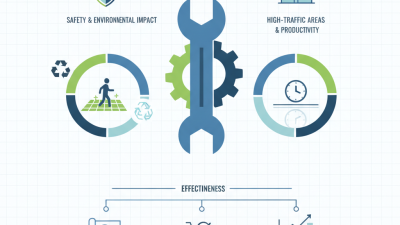
Choosing the right warehouse floor cleaner is critical for maintaining a safe and efficient work environment. According to Michael Thompson, a leading expert in facility maintenance, "The right cleaner can improve safety and productivity in any warehouse." A clean floor not only enhances the aesthetic appeal but also reduces hazards like slips and falls.
Warehouse floor cleaners vary widely in formulation and effectiveness. Some products may promise quick results but fall short in performance. It's essential to evaluate options based on your floor type and the nature of the dirt or spills commonly encountered. Many businesses overlook this step, leading to poor cleaning outcomes and potential safety risks.
Investing time in selecting the right warehouse floor cleaner can lead to long-term benefits. However, be cautious; not every advertised solution delivers reliability. Understanding the specific needs of your warehouse will help you choose wisely. Always seek advice from industry professionals to avoid costly mistakes.
Understanding the Importance of Clean Warehouse Floors
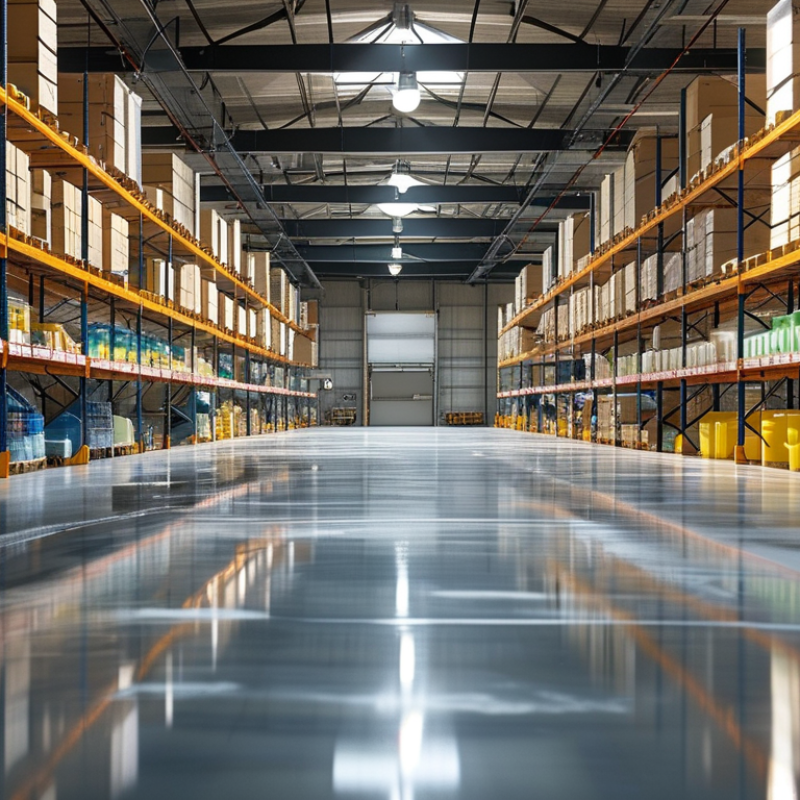
Maintaining clean warehouse floors is crucial for safety and efficiency. A clean floor reduces slips and falls, which account for 24% of workplace injuries, according to the National Safety Council. Regular cleaning minimizes dust and grime buildup. This helps in keeping workers healthy and your operations running smoothly.
The choice of floor cleaner significantly impacts cleaning effectiveness. Different surfaces require specific products. For instance, concrete floors often need degreasers, while vinyl surfaces benefit from gentle cleaners. A survey highlighted that 70% of warehouse managers prioritize cleaning procedures to enhance productivity. However, many struggle with product selection and usage frequency. Understanding the dirt type is essential to select an appropriate cleaner.
Additionally, consider how moisture affects surfaces. Dampness can cause mold, making cleaning a constant challenge. While some might think a quick sweep suffices, deeper cleaning might be needed bi-weekly. It’s essential to evaluate your specific needs continually. Investing in the right floor cleaner can yield long-term benefits. However, overlooking this aspect can lead to more significant issues down the road.
Factors to Consider When Choosing a Warehouse Floor Cleaner
When selecting a warehouse floor cleaner, various factors significantly influence effectiveness and efficiency. One primary consideration is the type of flooring. For instance, concrete floors often require specialized cleaning agents to address oil stains and grime. A study by the Industrial Cleaning Council found that 30% of cleaning issues stem from improper product choices, leading to higher costs and labor.
Another essential factor is the environmental impact of cleaners. Many warehouses now prioritize eco-friendly options due to regulatory pressures. According to the Green Cleaning Council, sustainable products can reduce pollutants by 50%. Therefore, it's crucial to select cleaners that meet this criterion while being effective.
Furthermore, worker safety must be assessed. The Occupational Safety and Health Administration (OSHA) reported that slip hazards are a leading cause of workplace injuries. Selecting a cleaner with anti-slip characteristics can significantly minimize such risks. Regular evaluation of cleaning protocols may reveal gaps in safety, leading to improved practices.
Types of Warehouse Floor Cleaners and Their Applications
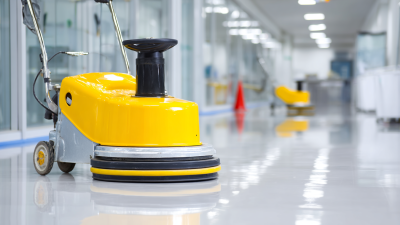
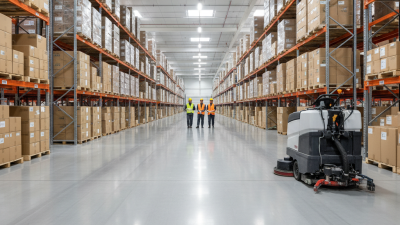
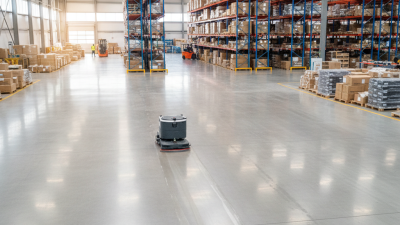
Warehouse floor cleaners come in various types, each suited for specific surfaces and cleaning challenges. Industrial-grade sweepers effectively remove dust and debris from concrete floors. They are built for heavy use and can handle large areas efficiently.
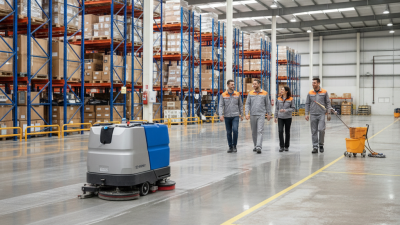
On the other hand, scrubbers are excellent for deeper cleaning. They combine scrubbing and vacuuming, making them ideal for dirt and stains that regular sweeping might miss.
Using the right cleaner depends on the warehouse's activities. If heavy machinery or frequent foot traffic is involved, a robust cleaner is necessary. For warehouses storing food products, sanitation becomes crucial. Choosing a non-toxic cleaner ensures safety without compromising cleanliness.
Reflecting on past experiences, many warehouses overlook the need for specialized cleaners. They apply general-purpose cleaners, which may not address specific challenges, leading to accidents. Always assess the floor type and usage before making a decision. A thoughtful approach can save time and enhance safety.
Evaluating Environmental Impact and Safety Measures
When selecting a warehouse floor cleaner, safety and environmental impact are crucial. The Center for Chemical Process Safety reported that more than 90% of industrial accidents are linked to hazardous materials. This statistic emphasizes the need for careful evaluation of cleaning agents. Opt for cleaners that are biodegradable and non-toxic. Many formulations today are designed to minimize environmental harm while still being effective.
In the realm of safety, consider the Occupational Safety and Health Administration (OSHA) guidelines. OSHA emphasizes the importance of using cleaners that comply with safety standards. Look for products that display an environmental seal or certification. Such certifications indicate a commitment to reduced ecological footprints.
Moreover, inadequate cleaning can lead to slips and falls, representing a significant concern in warehouses. A study from the National Floor Safety Institute found that 55% of slips result from improper maintenance. Cleaners that are effective yet safe can prevent accidents. Selecting a product that balances efficacy with safety can pose challenges, but it is essential for worker well-being.
Essential Tips for Choosing the Right Warehouse Floor Cleaner
| Cleaner Type |
Environmental Impact |
Safety Measures |
Effectiveness on Dirt |
pH Level |
| Biodegradable Cleaner |
Low |
Non-toxic, PPE recommended |
High |
Neutral (7) |
| Solvent-based Cleaner |
Moderate |
Use masks and gloves |
Very High |
Acidic (2-4) |
| pH Neutral Cleaner |
Low |
Non-toxic, minimal precautions |
Medium |
Neutral (7) |
| Enzyme Cleaner |
Low |
Generally safe for use |
High |
Neutral (6-7) |
| Foaming Cleaner |
Moderate |
Wear protective eyewear |
High |
Alkaline (10-12) |
Cost-Effectiveness and Maintenance of Floor Cleaning Solutions
When selecting a warehouse floor cleaner, understanding the cost-effectiveness and maintenance of solutions is crucial. Industry research suggests that improper cleaning can raise maintenance costs by up to 30%. Regularly neglected surfaces accumulate grime, resulting in more extensive cleaning processes. A study from the Cleaning Research Institute indicates that a well-maintained floor can reduce slip-and-fall accidents by 25%. Choosing the right cleaner can significantly influence these outcomes.
Cost analysis should include both upfront and long-term expenses. While cheaper cleaners may appear attractive, they often require frequent applications. This can ramp up costs considerably. A detailed report by Facility Management Weekly found that premium cleaning solutions can save facilities up to 20% over five years due to reduced labor, fewer incidents, and lower material costs. However, investing in a higher-quality solution necessitates evaluating performance metrics specific to cleaning durability and residue left on surfaces.
Maintenance practices also play a role in cost management. Regular inspections and adapting cleaning methods can prevent unnecessary expenses. Additionally, it is important to train staff effectively to ensure they use cleaning products correctly. A lack of training can lead to wastage and inefficiency. Reflecting on these issues can lead to better choices and long-term savings.