What is a Floor Scrubber Machine and How Does It Work?
A Floor Scrubber Machine is an essential tool in maintaining clean and hygienic floors. It is designed to scrub, wash, and dry surfaces efficiently. Unlike traditional mops, these machines save time and labor. They have rotating brushes and powerful suction capabilities.
Using a Floor Scrubber Machine can seem complex at first. However, with practice, it becomes easier. Understanding its components is crucial. The brushes agitate dirt and grime, while the vacuum function removes unwanted water. This process ensures surfaces are clean and safe.
Many businesses and facilities benefit from using these machines. They are ideal for large areas like warehouses and shopping malls. However, it is important to note that not all machines are the same. Choosing the right one requires careful consideration. Users sometimes face challenges when it comes to maintenance. Regular upkeep is vital for optimal performance and longevity. There is room for improvement in learning how to operate them effectively.
What is a Floor Scrubber Machine?
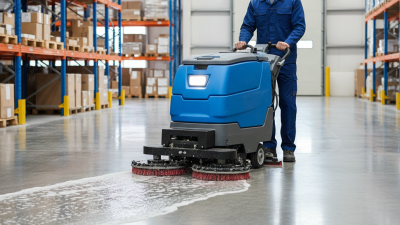
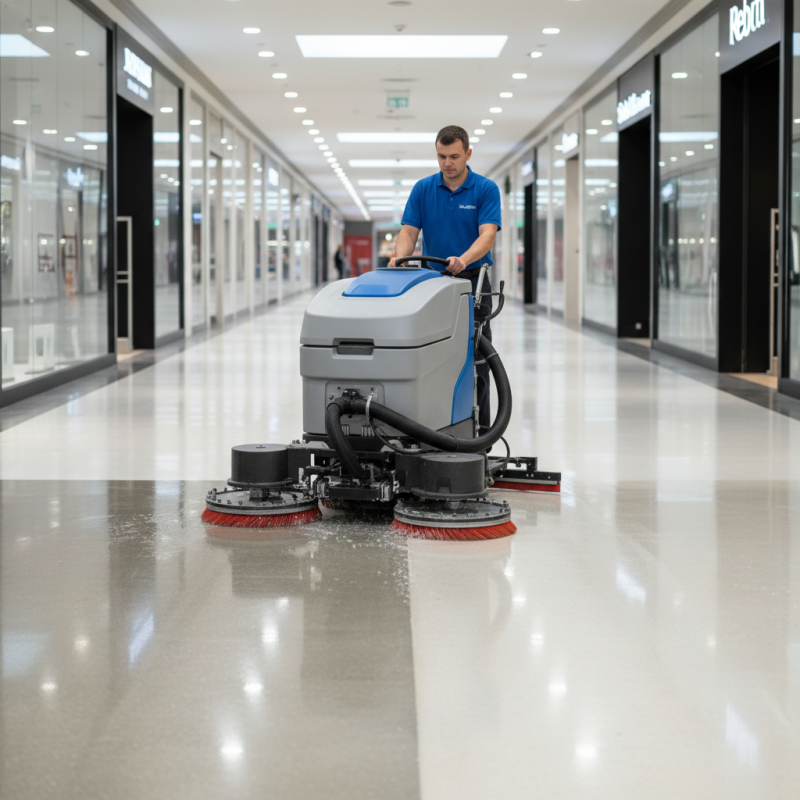
A floor scrubber machine is a powerful tool designed to clean hard surfaces. These machines combine scrubbing and vacuuming into one process. They effectively remove dirt, grease, and stains from floors, making them ideal for various commercial settings. A scrubber typically consists of a motor, a brush, and a water tank.
Understanding how it works is important. The machine releases a cleaning solution onto the floor. The rotating brushes scrub the surface thoroughly. Finally, the dirty water is vacuumed up, leaving the floor clean and dry. This method is efficient and significantly reduces labor time.
Tip: Regular maintenance is essential. Check brushes and pads frequently. Replacing them ensures effective cleaning and extends the machine's lifespan.
It's crucial to select the right cleaning solution. Some surfaces require specific products. Wrong choices can lead to damage or ineffective cleaning.
Tip: Experiment with different settings for optimal results. Not every floor type needs the same pressure or speed. Adjust and reflect on the outcome. This may improve your cleaning routine.
Key Components of a Floor Scrubber Machine
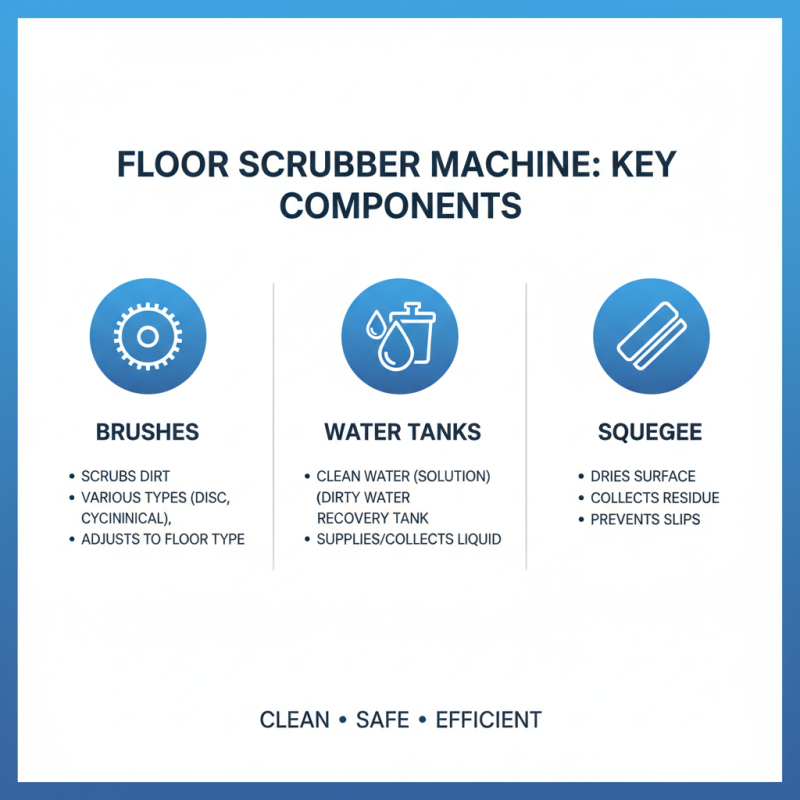
A floor scrubber machine is essential for maintaining clean and safe surfaces in various environments. The key components of these machines include brushes, water tanks, and squeegees. Understanding these parts can help users maximize efficiency.
The brushes are crucial for removing dirt and grime. Many machines utilize rotating cylindrical or disc brushes. According to industry reports, a machine with effective brushes can improve cleaning efficiency by up to 30%. Proper brush selection is vital. They need to match the flooring type for optimal results.
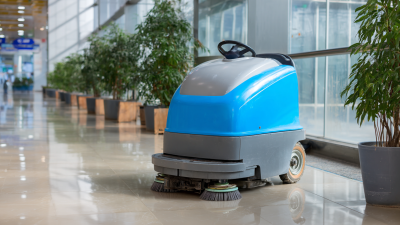
Water tanks hold the cleaning solution. Most floor scrubbers have two separate tanks: one for clean water and another for dirty water. This design helps maintain cleanliness during the process. It's important to monitor water levels to avoid running out mid-cleaning. Squeegees play a role in water pick-up. If not functioning well, the floor may remain wet, creating safety hazards. Regular maintenance of these components is necessary for reliable performance. Without it, users may face setbacks and operational inefficiencies.
How a Floor Scrubber Machine Works: The Cleaning Process
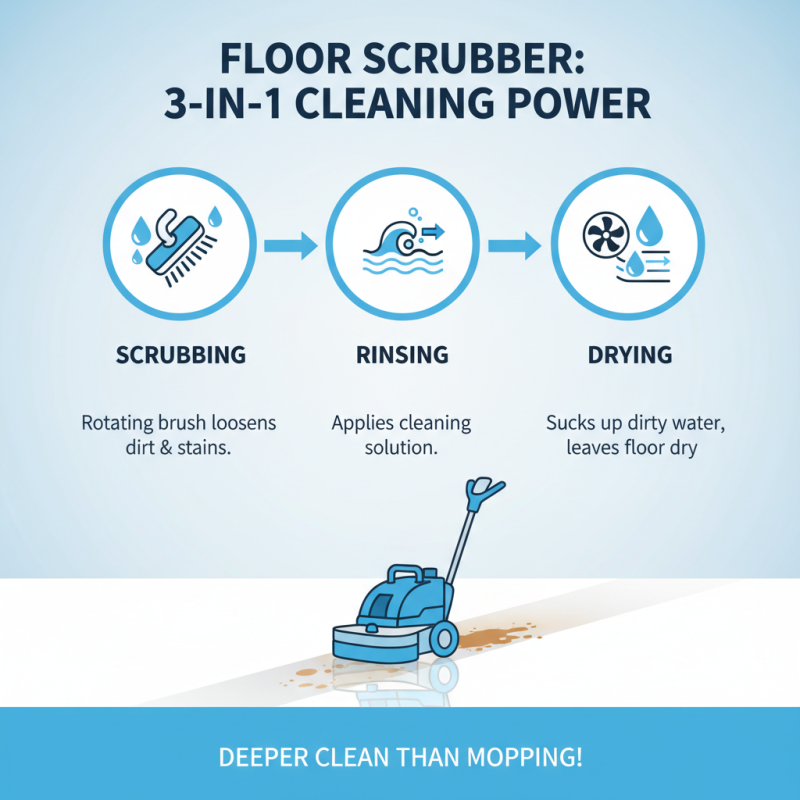
A floor scrubber machine is an effective cleaning tool. It combines scrubbing, rinsing, and drying into one seamless process. The machine operates using a rotating brush that moves across the floor surface. This brush scrubs away dirt and stains, providing a deeper clean than mopping alone.
As the scrubber works, clean water and detergent are dispensed onto the floor. The mixture helps to break down grime and is essential for effective cleaning. After scrubbing, the machine uses a vacuum system to suck up the dirty water. This leaves the floor not only clean but also free of excess moisture.
While it sounds simple, the process can sometimes miss spots. Corners or uneven surfaces may require additional attention. User error can also lead to streaks or residue if not used correctly. Regular maintenance of the machine is crucial, but it can be easy to overlook. These challenges remind users that even machines require a human touch for optimal results.
Types of Floor Scrubber Machines and Their Uses
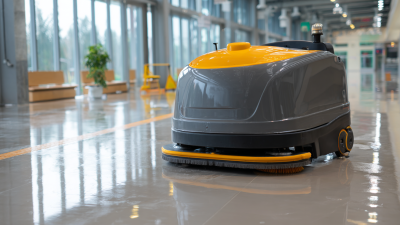
Floor scrubber machines play a crucial role in maintaining cleanliness in various environments. There are several types of these machines, each designed for specific tasks. The most common types include walk-behind scrubbers, ride-on scrubbers, and robotic scrubbers. Walk-behind models are suitable for smaller areas. They are easy to operate and maneuver. Ride-on machines are best for larger spaces, covering more ground efficiently. Robotic scrubbers are gaining popularity for their ability to work autonomously, but they may lack in thoroughness.
According to recent industry reports, the global floor scrubber market is expected to grow significantly, with a projected increase of 10% annually. This growth indicates a rising demand for effective cleaning solutions. However, some organizations overlook the need for regular maintenance on their machines. Neglecting upkeep can lead to breakdowns and poor cleaning performance. Reports suggest that up to 30% of floor scrubbers fail to operate at their full potential due to insufficient maintenance. It's critical for facilities to prioritize care. Regular inspections can enhance the lifespan and efficiency of these machines.
Types of Floor Scrubber Machines and Their Uses
This bar chart illustrates the usage frequency of different types of floor scrubber machines. The data shows that walk-behind scrubbers are the most commonly used, followed by manual and rider scrubbers. Auto scrubbers are also utilized, but less frequently than the other types.
Benefits of Using Floor Scrubber Machines in Various Settings
Floor scrubber machines offer numerous advantages across various settings. In educational institutions, for instance, maintaining cleanliness is critical. A study by the International Facility Management Association found that clean facilities contribute to improved student performance. Using floor scrubbers can enhance cleanliness and reduce allergens. Regular use can lead to healthier environments for both students and staff.
In healthcare facilities, the stakes are even higher. According to the Centers for Disease Control and Prevention, clean floors help prevent the spread of infections. Floor scrubber machines can eliminate germs more effectively than traditional mopping. They can save time and reduce labor costs significantly. Research shows that using mechanical cleaning methods can increase productivity by up to 50%.
Retail spaces also benefit from these machines. Shoppers prefer clean environments. The National Association of Retailers indicates that cleanliness impacts consumer behavior. A clean floor can increase customer satisfaction and boost sales. However, some facilities still rely on manual cleaning methods. This can lead to inconsistencies in cleaning quality. Embracing technology like floor scrubbers may not be an immediate solution for everyone, but it is worth considering for long-term benefits.
What is a Floor Scrubber Machine and How Does It Work? - Benefits of Using Floor Scrubber Machines in Various Settings
| Feature |
Description |
Benefits |
Common Uses |
| Type of Machine |
Battery-powered and corded options |
Flexible power options |
Warehouses, retail stores |
| Cleaning Method |
Scrubbing and vacuuming |
Efficient dirt and stain removal |
Industrial floors, hospitals |
| Tank Capacity |
Varies by model (10-30 gallons) |
Less frequent refills |
Large facilities, schools |
| User-Friendliness |
Intuitive controls and features |
Reduced training time |
Restaurants, office buildings |
| Maintenance |
Easy to access parts for cleaning |
Lower maintenance costs |
Any commercial setting |