Inquiry
Form loading...

Top 10 Walk Behind Scrubber Tips for Efficient Cleaning?

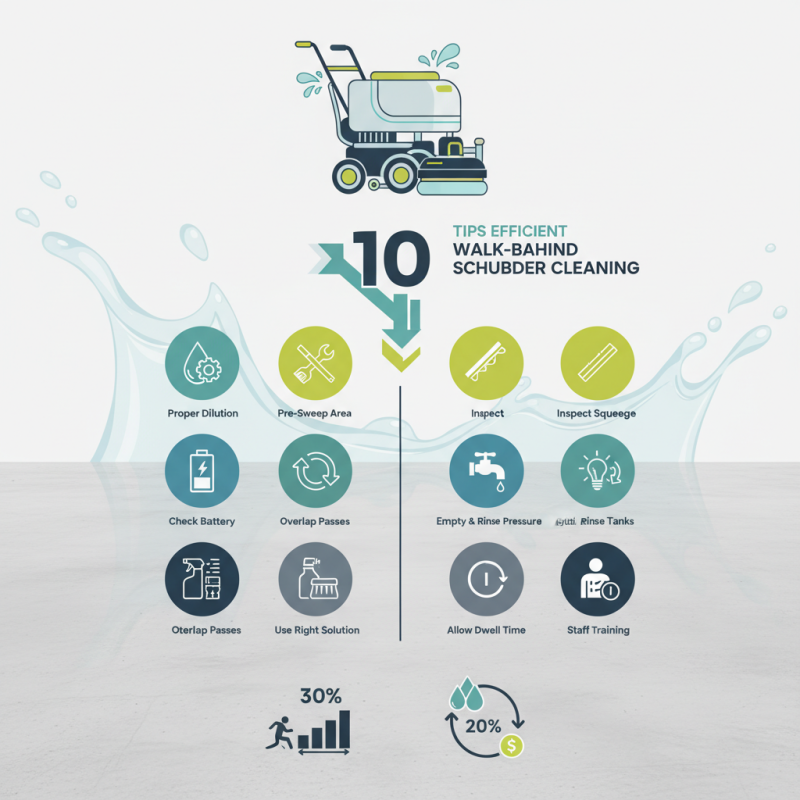
Efficient cleaning is crucial in various industries, and a Walk Behind Scrubber is an essential tool for achieving this. According to the International Sanitary Supply Association (ISSA), effective floor cleaning can reduce slip and fall incidents by up to 30%. With such a significant impact, it's vital to maximize the performance of these machines.

Users often overlook basic maintenance strategies, which can lead to suboptimal results. Studies show that machines not properly maintained can consume up to 20% more water and cleaning solution. This not only affects cleanliness but also increases operational costs. Many facilities still use outdated techniques that compromise efficiency.

Utilizing a Walk Behind Scrubber requires understanding its features and proper usage techniques. Small adjustments in technique can result in enhanced cleaning effectiveness. It is essential to reflect on existing practices and identify areas for improvement. The right approach can lead to cleaner environments and significant cost savings. With the right tips, you can unlock the full potential of your Walk Behind Scrubber and improve overall facility hygiene.
Top 10 Walk Behind Scrubber Tips for Efficient Cleaning?

Top Tips for Selecting the Right Walk Behind Scrubber for Your Needs

Top 10 Walk Behind Scrubber Tips for Efficient Cleaning?

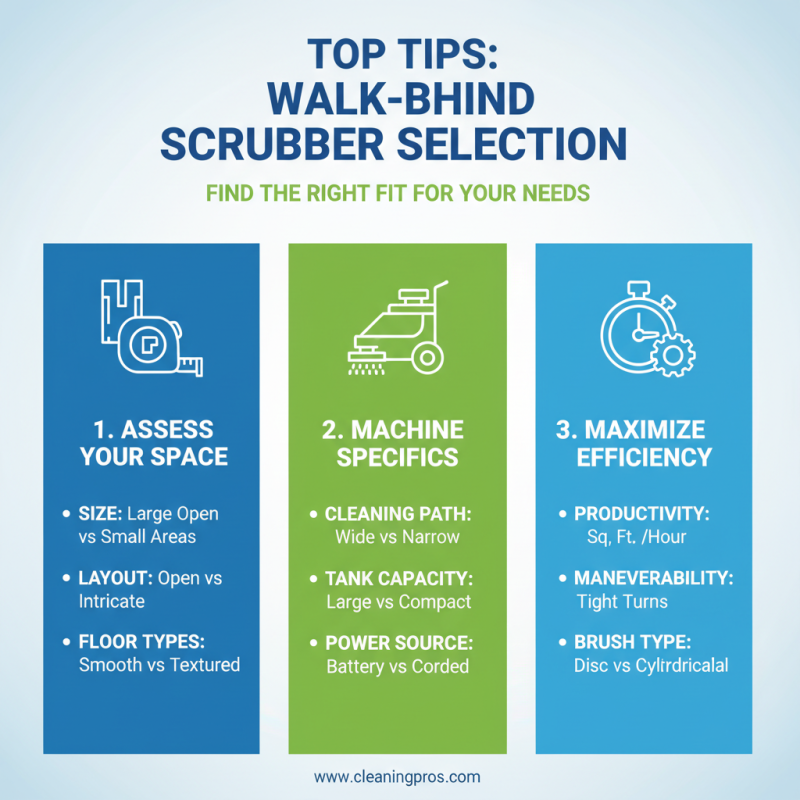
Choosing the right walk behind scrubber is crucial for effective cleaning. Start by assessing your cleaning environment. Consider size, layout, and floor types. Are you cleaning large open areas or smaller, more intricate spaces? A model that fits your space will maximize efficiency.

Next, think about the frequency of use. Heavy-duty models are designed for constant, tough jobs. If your needs are lighter, a standard scrubber may suffice. Look for features like adjustable brush pressure or diverse pad options. These can enhance versatility. Remember to evaluate ease of use. Controls should be intuitive. Heavy machines can be exhausting, so make sure it's comfortable to maneuver.

Flexibility is vital. Some models offer eco-friendly cleaning solutions, which might suit specific environments. Always check the water tank capacity and battery life. These factors affect long-term performance. Maintenance needs are also important to consider. Machines that are hard to service can lead to frustration. When examining options, don't hesitate to consult with experts. Their insights can guide your decision-making. Quality matters, but so does a machine's adaptability to various situations.

Understanding the Importance of Daily Maintenance for Scrubber Longevity

Top 10 Walk Behind Scrubber Tips for Efficient Cleaning?

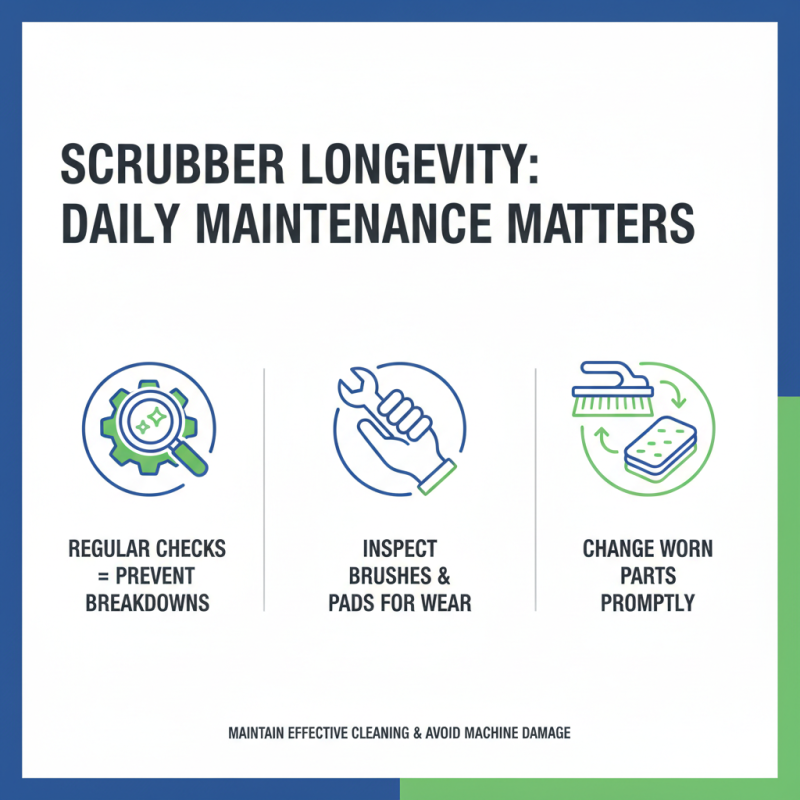
Daily maintenance of walk behind scrubbers is crucial for their longevity. Regular checks can prevent major breakdowns. A simple inspection can alert you to potential issues. For instance, look for wear on brushes and pads. If they’re worn down, they won’t clean effectively. Change them promptly to avoid damaging the machine.

Cleaning the scrubber itself is equally important. After each use, remove dirt and debris from the machine. Emptying the solution and recovery tanks is essential. This helps prevent the growth of bacteria and mold. Interestingly, many forget this step. Skipping it leads to unpleasant odors and inefficient cleaning. Rinse out the tanks and let them dry before storage.

Training staff on maintenance skills can make a big difference. Employees should know operational basics. It's easy to overlook minor tasks, yet they matter. Regular maintenance saves money in the long run. A well-maintained scrubber will clean better and last longer. Neglecting these tasks only leads to frustration and costly repairs. Keeping your scrubber in top shape really pays off.

Optimal Cleaning Solutions: Choosing the Right Chemicals for Effectiveness

Choosing the right cleaning chemicals can make a significant difference in your walk-behind scrubber's performance. Not all surfaces are created equal, and different situations require tailored approaches. For instance, using an alkaline cleaner on tiles can be effective, while acidic solutions are better for removing mineral deposits. Understanding the materials you are cleaning is crucial for achieving optimal results.

It’s essential to carefully read labels and safety data sheets before using any chemicals. These documents provide valuable information about dilution rates, application methods, and safety precautions. Chemical interactions can sometimes lead to unexpected results. Mixing different cleaners may create harmful fumes or reduce effectiveness. Take the time to research and choose the right products for your specific cleaning tasks.

Testing chemicals on a small, inconspicuous area is also wise. This practice helps ensure compatibility with the surface. Not every cleaner will work as expected on every floor type. Different environments may require adjustments or alternative solutions. It might take some experimenting to find the best combination of products and methods for your specific needs. The goal is to enhance cleaning efficiency while maintaining safety and effectiveness.

Techniques for Maximizing Water and Energy Efficiency During Operation

Efficient cleaning requires smart techniques. When using a walk-behind scrubber, consider how water and energy are consumed. Use the right amount of water for the task. Too much water can lead to waste and longer drying times. A common mistake is filling the tank without assessing the area. This can result in excess water usage and increased time on the job.

Adjusting the scrubber's settings can significantly enhance efficiency. Lower the brush pressure for softer floors to avoid damage and save energy. Watch the machine as you work. It’s easy to overlook areas, leading to rework. Refocusing on consistent techniques can minimize water usage, giving cleaner floors without oversaturation.

Routine maintenance is crucial. Clean the filters and brushes after each shift. Dirty components can decrease efficiency and require more water. It’s a small step that has a big impact. Regular checks can help identify any issues before they become major problems. This reflective practice ensures your equipment runs at its best while promoting water and energy conservation.

Top 10 Walk Behind Scrubber Tips for Efficient Cleaning

Tip Number Tip Description Water Efficiency Energy Efficiency
1 Choose the right pad for the surface type. High Medium
2 Pre-scrub heavily soiled areas. Medium Medium
3 Optimize water and detergent usage. High High
4 Use a suitable speed setting. Medium High
5 Regularly maintain your scrubber. Medium High
6 Implement a cleaning schedule. High Medium
7 Train staff on best practices. High High
8 Use less detergent when possible. High Medium
9 Utilize eco-friendly cleaning solutions. High High
10 Plan your path for efficiency. High Medium

Best Practices for Training Staff to Use Walk Behind Scrubbers Effectively

Training staff to use walk-behind scrubbers effectively is essential for optimal performance. Start by providing hands-on demonstrations. Visual learning aids can enhance understanding. Show employees how to adjust settings for different surfaces. This tailoring ensures better cleaning results.

Encourage staff to practice regularly. Frequent use builds confidence and familiarity. Offer constructive feedback during practice sessions. Observations can reveal areas needing improvement. This reflective approach cultivates a learning environment where questions are welcomed.

Create a checklist for daily maintenance tasks. Include items like checking water levels and cleaning brushes. Simple tasks can prevent costly repairs. Staff should be aware of these responsibilities. It fosters accountability and teamwork, making them feel invested in their work. Regular evaluations can help identify persistent challenges. Addressing these keeps the workplace efficient and clean.

Top 10 Walk Behind Scrubber Tips for Efficient Cleaning

The chart above displays the effectiveness rating for various best practices when using walk behind scrubbers. Each tip is rated on a scale from 1 to 10, indicating its importance for achieving efficient cleaning results.