Top 10 Warehouse Floor Scrubbers Buyers Need to Know?
In today's industrial landscape, maintaining cleanliness in warehouses is crucial. A clean environment boosts safety and productivity. The global warehouse cleaning equipment market was valued at approximately $2 billion in 2021, and it is projected to grow steadily. This highlights the importance of investing in effective cleaning solutions, particularly Warehouse Floor Scrubbers.
Warehouse Floor Scrubbers are designed to handle the heavy-duty demands of industrial spaces. They enhance cleanliness efficiently and reduce labor costs. However, choosing the right scrubber can be challenging. Different models offer varied features and price ranges. Many buyers find it difficult to assess which option best meets their needs.
Moreover, despite advances in technology, some users report dissatisfaction with performance. Some scrubbers may not pick up debris effectively or leave streaks. It's essential to consider both the specifications and user feedback before making a decision. Understanding these factors is key to selecting the right Warehouse Floor Scrubber for your operational requirements.
Understanding Warehouse Floor Scrubbers: A Comprehensive Overview
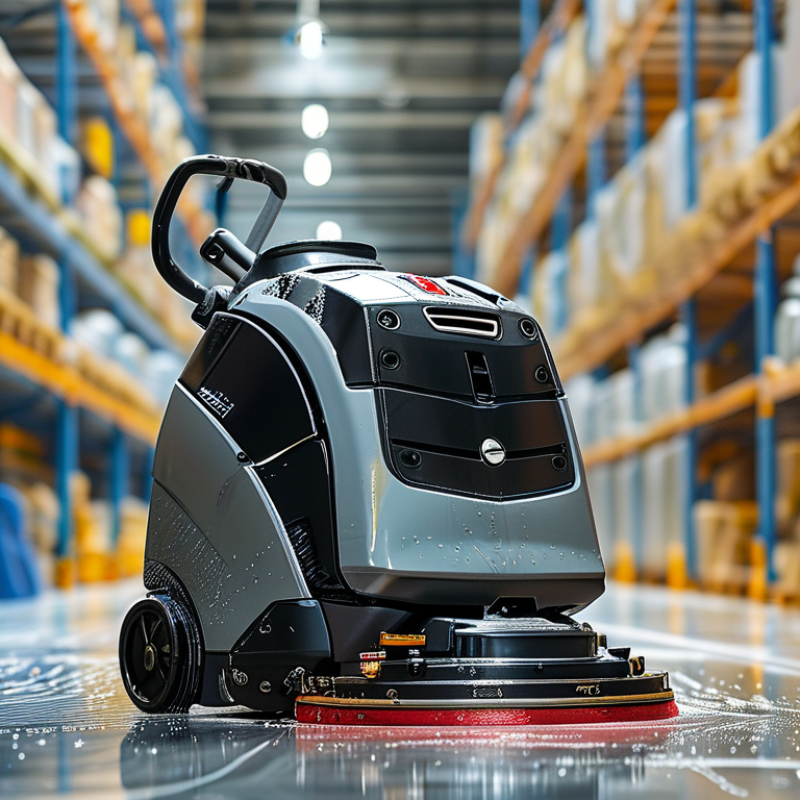
Warehouse floor scrubbers are essential for maintaining cleanliness in industrial settings. These machines not only enhance safety but also prolong the lifespan of flooring. According to recent data from the Cleaning Industry Research Institute, facilities that implement regular floor maintenance can reduce slip-and-fall incidents by over 30%.
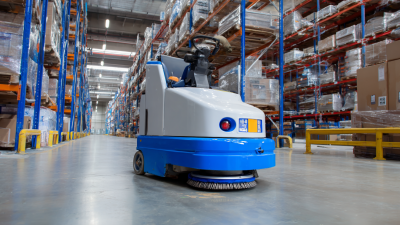
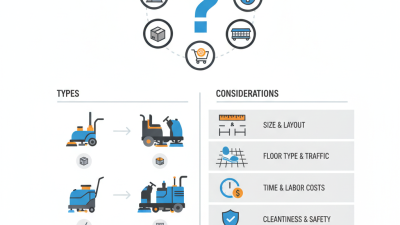
Understanding different types of scrubbers is crucial. There are ride-on and walk-behind options, each serving distinct purposes. For example, ride-on scrubbers are ideal for large spaces, covering more ground quickly. They can clean areas of up to 40,000 square feet per hour, making them efficient for high-traffic warehouses. In contrast, walk-behind scrubbers are more maneuverable and suitable for tighter spaces.
Cost should also be a consideration. The initial investment might seem daunting, but long-term savings can be significant. A poorly maintained floor can lead to expensive repairs and accidents. Data shows that facilities with proper cleaning protocols can save up to 25% in operational costs annually. Balancing budget constraints with cleaning needs is essential for every warehouse manager. Investing in the right scrubber is not just about immediate cleanliness; it’s about fostering a safe working environment.
Top 10 Warehouse Floor Scrubbers Performance Comparison
Key Features to Look for in Warehouse Floor Scrubbers
When selecting warehouse floor scrubbers, certain key features are crucial for effective cleaning and efficiency. A common mistake is overlooking the importance of tank capacity. Larger tanks allow longer cleaning cycles and reduce downtime for refills. According to industry reports, scrubbers with a capacity of at least 20 gallons can significantly enhance productivity in warehouses exceeding 50,000 square feet.
Another important feature is the type of scrub brush. Different surfaces require different brushes. A dual-brush system may be ideal for varied floor types, balancing scrubbing power and gentleness. Research indicates that scrubbers utilizing both cylindrical and disc brushes can improve dirt removal by up to 30% compared to single brush systems. This can lead to better cleaning results and lower maintenance costs.
Moreover, consider the scrubber's maneuverability. Some models may seem efficient but are cumbersome to operate. Operators need machines that can easily navigate tight spaces. A more agile scrubber can prevent accidents and ensure comprehensive coverage. Ultimately, balancing these features will lead to a better investment in cleaning technology. Evaluating these aspects is essential for achieving cleaner warehouse conditions.
Top Brands of Warehouse Floor Scrubbers and Their Offerings
When considering warehouse floor scrubbers, it's essential to know about the top brands. Each manufacturer offers unique features designed to meet specific cleaning needs. The most renowned brands typically provide models ranging from compact units for small spaces to industrial-grade machines for large warehouses. Look for scrubbing options that ensure efficiency and meet your space's specific requirements.
Before making a decision, consider the type of surface you will clean. Different brands may cater to different flooring types, such as concrete, tile, or epoxy. An appropriate scrubber will enhance the longevity of your floors. Pay attention to additional features, like water-saving technology or eco-friendly cleaning solutions. These can make a significant difference in both performance and environmental impact.
**Tips:** Regular maintenance of the machines is crucial. It impacts their effectiveness and lifespan. Always check for wear and tear after each use. Testing a unit before purchase can help you understand its functionalities better. You might realize that certain features work well for your operation while others may not. Reflecting on your specific cleaning needs will guide you toward making an informed choice.
Top 10 Warehouse Floor Scrubbers Buyers Need to Know
| Model |
Type |
Cleaning Width (inches) |
Tank Capacity (gallons) |
Run Time (hours) |
Operating Weight (lbs) |
Price Range ($) |
| Model A |
Walk-Behind |
20 |
15 |
3 |
150 |
1,500 - 2,000 |
| Model B |
Ride-On |
30 |
20 |
4 |
250 |
3,000 - 4,000 |
| Model C |
Walk-Behind |
24 |
18 |
3.5 |
160 |
1,800 - 2,300 |
| Model D |
Ride-On |
36 |
25 |
5 |
300 |
4,500 - 5,500 |
| Model E |
Walk-Behind |
22 |
16 |
3.2 |
140 |
1,700 - 2,100 |
| Model F |
Ride-On |
40 |
30 |
6 |
350 |
5,000 - 6,000 |
| Model G |
Walk-Behind |
18 |
12 |
2.5 |
130 |
1,200 - 1,600 |
| Model H |
Ride-On |
34 |
22 |
5.5 |
320 |
4,200 - 5,200 |
| Model I |
Walk-Behind |
26 |
19 |
4 |
180 |
2,000 - 2,500 |
| Model J |
Ride-On |
38 |
27 |
6.5 |
400 |
5,500 - 7,000 |
Evaluating the Cost-Effectiveness of Warehouse Floor Scrubbers
Evaluating the cost-effectiveness of warehouse floor scrubbers is vital for operational efficiency. These machines help maintain cleaner facilities, reflecting professionalism. According to industry reports, proper maintenance can increase the lifespan of scrubbers up to 50%. This leads to significant cost savings over time.
Investing in warehouse scrubbers can drive down labor costs. Employees can focus on other tasks, improving productivity. A study found that businesses saved up to 20% on labor expenses when using automated scrubbers. However, the initial investment can be high, requiring careful financial assessment.
Tip: Calculate your potential savings by analyzing current labor costs and floor maintenance frequency.
Scrubbers can reduce water and chemical usage, providing an eco-friendly solution. A leading report noted that advanced models use up to 30% less water than traditional methods. While this is an undeniable benefit, not all scrubbers offer the same efficiency. Researching different models and their specifications is essential for making an informed decision.
Tip: Always request a demo to understand the machine's effectiveness before purchasing.
Maintenance Tips for Longevity of Warehouse Floor Scrubbers
Maintaining warehouse floor scrubbers is crucial for their longevity and efficiency. Regular upkeep ensures they perform optimally and minimizes unexpected repairs. Inspect scrubbers daily before use. Look for wear and tear in parts. Small issues, if ignored, can escalate into bigger problems.
One essential tip is to clean the scrubber after each use. Residue can build up on brushes and pads, affecting performance. Rinse out tanks and change water regularly. This simple practice enhances cleaning results and extends the life of the machine.
Additionally, schedule routine maintenance with a qualified technician. This helps identify potential issues early. Many users overlook this and face costly breakdowns later. Keep a maintenance log to track servicing dates and parts replacements. It’s a proactive approach that preserves the efficiency of your equipment.