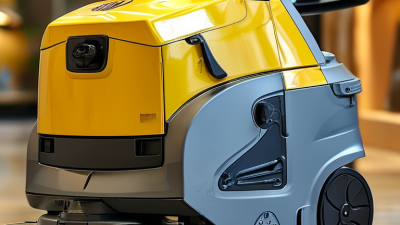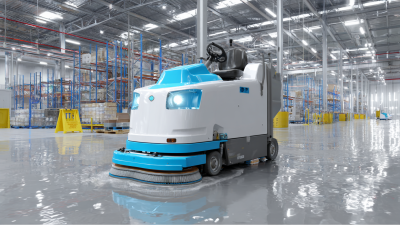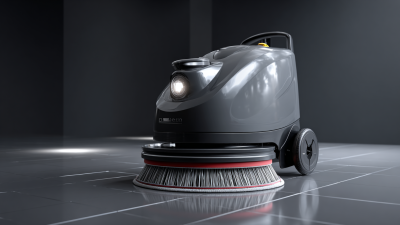
China has become an important source of compact cleaning equipment for commercial facilities, warehouses, schools, and retail spaces. This article examines China Top Hand Push Floor Cleaning Machine Manufacturers through practical purchasing criteria, not marketing claims. A hand-push scrubber may look simple, but its performance depends on brush pressure, water control, recovery strength, battery capacity, and operator comfort. Small details matter. A loose squeegee can leave visible trails across polished concrete.
Hartmut Jenner, a long-time cleaning-technology executive, once observed, “Good cleaning begins with the right machine for the right surface.” That principle remains useful when evaluating Hand Push Floor Cleaning equipment. Buyers should compare working width, cleaning productivity, noise levels, charging time, spare-parts access, and after-sales training. They should also request performance records, factory quality procedures, and surface-specific test results. A machine that performs well in a showroom may struggle in a crowded supermarket aisle.
Experience exposes the gaps. Some suppliers offer attractive prices but limited service coverage. Others provide strong engineering yet weak user documentation. Neither weakness should be ignored. Reliable manufacturers usually explain battery options, brush replacement cycles, tank materials, and warranty terms clearly. They also accept reasonable customization without hiding technical limitations.
This guide focuses on verifiable capability, consistent manufacturing, and long-term operating value. It does not assume every Chinese supplier delivers the same standard. Careful comparison is still necessary. That is the honest part.
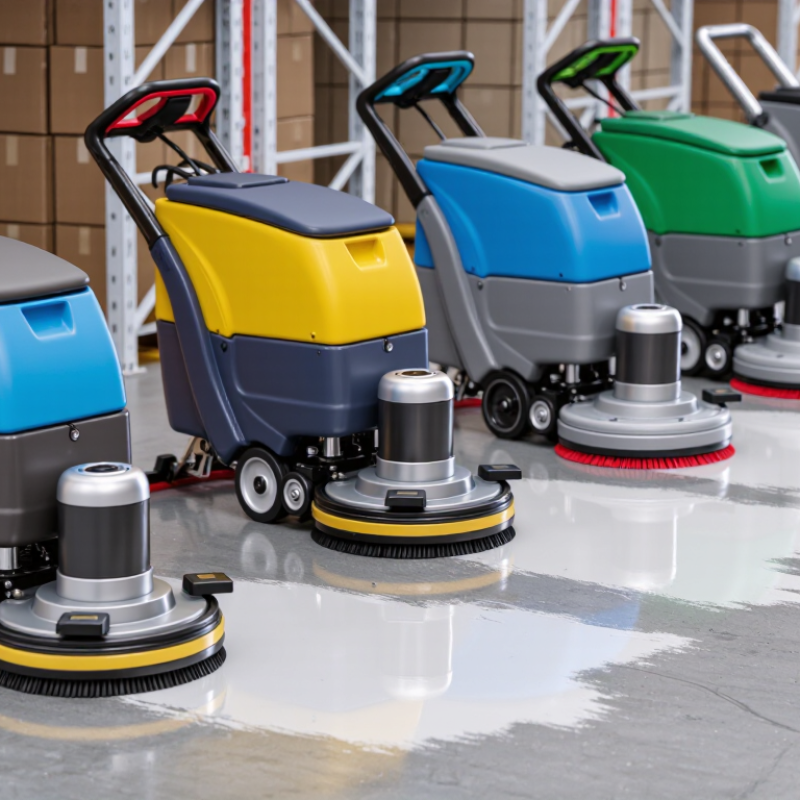
A hand push floor cleaning machine is a compact device operated by walking behind it. The user guides the machine with a handle instead of riding on it. Its brushes loosen dust, grease, and tracked-in dirt from hard floors. A water tank applies cleaning solution, while a squeegee collects dirty water behind the brush deck.
These machines suit supermarkets, workshops, schools, warehouses, and narrow commercial areas. They are smaller than ride-on scrubbers, so operators can clean around shelves, corners, and doorways with better control. Typical operation involves filling the tank, adjusting water flow, starting the brush, and pushing at a steady pace. The dirty-water tank should be emptied after use. Small detail, big difference.
In practical cleaning work, brush pressure and walking speed affect the result. Moving too quickly may leave wet streaks or missed soil. Too much detergent can create foam and make recovery less effective. Floor type also matters; polished stone, textured tile, and sealed concrete need different settings. Battery models reduce cable hazards, but charging routines must be followed carefully. Noise, handle comfort, tank capacity, and spare-part access deserve attention before purchase.
A hand push machine is not a magic solution. It cannot replace proper floor preparation or regular maintenance. Still, when correctly adjusted, it can reduce manual mopping and provide more consistent cleaning. Operators should test a small area first, because real floors often behave differently from product specifications.
China Top Hand Push Floor Cleaning Machine Manufacturers
Hand push floor cleaning machines made in China cover several practical categories. Manual push sweepers collect dust, leaves, and small debris from warehouses, paths, and parking areas. They use rotating side brushes and need no battery. Compact push scrubbers spray water, agitate stains, and recover dirty water through a rear squeegee. They suit supermarkets, schools, workshops, and smooth concrete floors. They are not ideal for every surface.
Battery-powered walk-behind scrubbers offer stronger cleaning with less physical effort. Operators can adjust brush pressure, water flow, and travel speed. Some models combine sweeping and scrubbing functions for busy facilities. Cylindrical brushes can reach shallow grooves better than flat disc brushes. Tank capacity also matters. A small tank improves maneuverability, while a larger tank reduces filling stops.
Chinese manufacturers commonly provide different cleaning widths, battery options, brush materials, and control systems. Buyers should inspect weld quality, wheel stability, cable protection, and recovery performance. Ask for floor tests using realistic dirt, not only clean showroom tiles. Noise levels and charging time deserve attention too. A quieter machine may clean more slowly. That trade-off is easy to miss. Experienced suppliers should explain maintenance intervals, spare-part access, and operator training clearly. Specifications can look impressive, yet daily handling reveals more. A careful trial remains the most reliable comparison.
| Machine Type | Cleaning Method | Typical Cleaning Width | Typical Productivity | Water Tank Capacity | Power Source | Recommended Applications |
|---|---|---|---|---|---|---|
| Manual Push Sweeper | Rotating brushes collect dry dust, sand, and light debris into an integrated hopper. | 600–1,000 mm | 1,500–3,500 m²/h | No water tank | Manual operation | Warehouses, sidewalks, parking areas, workshops, and courtyards. |
| Single-Disc Floor Scrubber | A rotating disc brush scrubs the floor while a separate vacuum system may collect wastewater. | 330–500 mm | 800–1,500 m²/h | 10–30 L solution tank | Corded electric | Hard-floor deep cleaning, polishing preparation, and detergent scrubbing. |
| Walk-Behind Automatic Scrubber Dryer | Dispenses cleaning solution, scrubs with a brush or pad, then vacuums and recovers dirty water in one pass. | 430–650 mm | 1,500–3,000 m²/h | 25–70 L solution tank | Battery or corded electric | Supermarkets, hospitals, schools, offices, hotels, and industrial floors. |
| Compact Battery Scrubber Dryer | Low-profile brush scrubbing and wet vacuum recovery for narrow aisles and confined spaces. | 350–500 mm | 800–2,000 m²/h | 10–35 L solution tank | Rechargeable battery | Retail aisles, restaurants, clinics, elevators, and small commercial areas. |
| Cylindrical-Brush Scrubber | Counter-rotating cylindrical brushes scrub and collect small particles from textured surfaces. | 450–700 mm | 1,500–3,500 m²/h | 25–60 L solution tank | Battery or corded electric | Safety flooring, ceramic tiles, textured concrete, and facilities with light debris. |
| Orbital Floor Scrubber | A high-frequency orbital pad removes soil with reduced water and chemical consumption. | 430–600 mm | 1,000–2,500 m²/h | Optional or integrated tank | Battery or corded electric | Coated floors, resilient flooring, stone maintenance, and low-moisture cleaning. |
| High-Pressure Floor Washer | Pressurized water loosens dirt, oil, and stains; some models include a surface-cleaning attachment. | 300–500 mm attachment | 500–1,500 m²/h | Usually supplied externally | Electric motor or fuel engine | Outdoor concrete, loading bays, garages, service areas, and heavily soiled surfaces. |
| Wet-Dry Vacuum Floor Cleaner | Vacuums liquid spills and dry debris using interchangeable floor tools and filters. | 300–450 mm tool width | Not normally rated as scrubbing productivity | 15–70 L recovery container | Corded electric or battery | Spill response, workshops, construction cleanup, and areas requiring wet pickup. |
Note: Specifications shown are typical ranges for hand-push floor cleaning machines made in China. Actual performance depends on brush pressure, floor condition, operator speed, battery capacity, and cleaning configuration.
China’s leading hand push floor cleaning machine manufacturers combine engineering depth with practical factory experience. Their capability starts with controlled brush pressure, balanced water flow, and recovery performance on uneven floors. A compact machine must turn easily around shelves, pillars, and narrow aisles. Small details matter.
According to Grand View Research, the global floor cleaning machines market is expanding as commercial facilities seek faster, more consistent maintenance. China’s strongest manufacturers respond with lithium battery systems, efficient motors, corrosion-resistant tanks, and modular squeegees. The International Energy Agency reported that lithium-ion battery pack prices fell by 14% in 2023. This supports more affordable cordless equipment, although real runtime still depends on brush load, floor texture, and operator habits. Marketing claims can be too optimistic.
Reliable manufacturers also show measurable process control. They inspect battery capacity, brush wear, leakage, noise, and recovery efficiency before shipment. ISO 9001-based quality procedures can improve traceability, but certification alone does not prove field performance. Buyers should request test records, spare-part plans, safety documents, and samples from recent production batches. According to the U.S. Department of Energy, efficient electric motors can reduce energy use across equipment fleets, making motor selection commercially important. Some factories still focus heavily on purchase price. That can overlook labor time, water consumption, and service delays. A better assessment compares total operating cost over several cleaning cycles.
Chinese hand push floor cleaning machines are built through controlled stages, from steel frame cutting to final electrical inspection. Workers check welds, wheel alignment, brush housing, and recovery tanks before assembly. Each key component receives a basic measurement record. Small errors can cause uneven cleaning or difficult movement.
After assembly, technicians test brush rotation, water flow, suction strength, battery charging, and emergency shutoff functions. The machine runs across tile, sealed concrete, and slightly uneven flooring. Operators inspect the cleaned path for missed water and visible streaks. They also measure operating noise and check for leaks after repeated tank filling. Some factories use a timed endurance test, although test duration can vary between suppliers. That difference deserves careful review.
Tips: Request a complete testing checklist before purchase. Ask for videos showing continuous operation, not only polished product photos. Check whether the supplier records battery voltage, brush pressure, recovery performance, and charger safety. A sample inspection is wiser than relying on declarations. Examine weld corners closely. That is where weak finishing often appears. Manufacturers should also explain failed-test handling, replacement procedures, and how inspection records are retained.
Choosing a reliable Chinese manufacturer for a hand push floor cleaning machine requires more than comparing prices. Start by defining your working conditions. Consider floor type, cleaning width, daily area, water capacity, noise limits, and storage space. A machine for a small clinic may differ greatly from one used in a warehouse. Ask for technical drawings, operating videos, and performance data from real testing.
Tips: Request a sample before placing a large order. Check brush pressure, water recovery, battery endurance, turning control, and drying results. Ask whether key parts are locally available. Confirm warranty terms, spare-part prices, inspection procedures, and production lead times in writing. A factory visit or independent inspection can reveal assembly quality, cleanliness, and testing discipline. Photos alone are not enough.
Reliable manufacturers should explain limitations, not promise perfect results. Ask how they handle uneven floors, blocked recovery systems, and battery aging. Review their export experience, quality certificates, and customer references where available. Communication matters too; unclear replies may become costly after payment.
I once underestimated spare-part availability, and the delay affected daily operations. That mistake showed why after-sales support deserves the same attention as machine performance.
Compare several suppliers using identical questions, then select the one offering clear evidence, stable quality, and practical support.