How to Choose the Best Floor Washing Scrubber for Your Needs?
When it comes to maintaining cleanliness in commercial spaces, choosing the right floor washing scrubber is vital. John Smith, a leading expert in cleaning technology, states, "A good scrubber can transform your cleaning efficiency." With the multitude of options available, it can be overwhelming to select the perfect one for your needs.
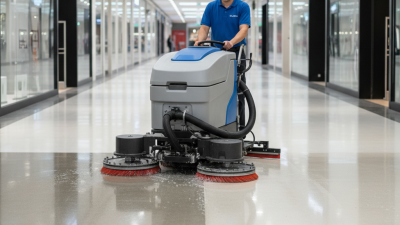
Floor washing scrubbers vary in size, power, and functionality. They range from compact models for small areas to robust machines for larger facilities. It’s crucial to assess your specific requirements. Consider factors such as the type of flooring, frequency of cleaning, and the area size you’ll be working in. Sometimes, the best options may not fit your budget.
The choice of a floor washing scrubber directly impacts operational productivity. An ineffective scrubber may lead to time loss and increased labor costs. Think about the long-term investment rather than immediate satisfaction. Evaluate reviews, seek expert recommendations, and test appliances where possible. Prioritize reliability over bells and whistles. A thoughtful approach can guide you toward the best floor washing scrubber to meet your cleaning demands.
Understanding the Different Types of Floor Washing Scrubbers Available
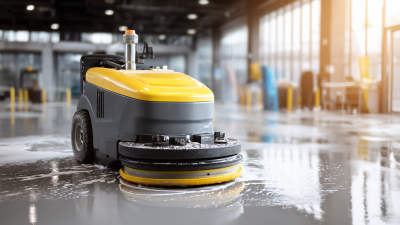
When choosing a floor washing scrubber, understanding the types available is crucial. There are three main categories. The first is manual scrubbers, which require physical effort. These tools can be effective for small areas but may tire you out quickly. Their simplicity offers good control for detailed cleaning tasks, but they lack the efficiency needed for larger spaces.
Automated scrubbers are another option. They significantly reduce labor while ensuring an even clean across surfaces. These machines usually come with features allowing for adjustment in water flow and scrubbing intensity. However, they may require regular maintenance and could be complicated for some users. Understanding their operation is essential. It’s beneficial to consider how much time you're willing to dedicate.
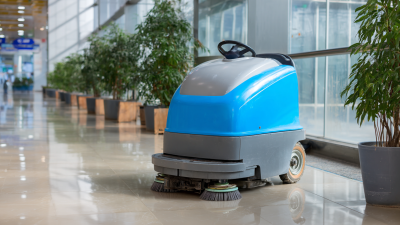
Lastly, there are specialized scrubbers designed for particular flooring types, such as tiles or carpets. They often come with various attachments to cater to those specific needs. However, investing in these can also mean dealing with more significant expenses. Matching the right scrubber to your specific needs can lead to better cleaning results and a more manageable workload.
Comparison of Different Types of Floor Washing Scrubbers
Evaluating Key Features to Consider When Selecting a Scrubber
Choosing the right floor washing scrubber can significantly impact your cleaning efficiency. When evaluating key features, start with the type of flooring in your space. Different surfaces require different scrubber configurations. For instance, tile floors may need a more aggressive scrubbing action, while hardwood floors require gentler brushes.
Another crucial factor is the machine's size and weight. Compact models are easier to maneuver but may lack power. Larger scrubbers often handle bigger areas faster, but can be cumbersome. Think about the space you need to clean. User-friendly controls can make a scrubber easier to operate, especially for those unfamiliar with cleaning equipment.
Battery life is another essential point. A scrubber that runs out of power mid-task can be frustrating. Reliable battery performance can ensure your cleaning is uninterrupted. Lastly, consider maintenance needs. Some models are hard to clean and maintain over time. Reflect on whether you want to spend extra time on upkeep or prefer something low-maintenance.
Determining the Right Size and Capacity for Your Cleaning Needs
When choosing a floor washing scrubber, knowing the right size and capacity is crucial. A small scrubber may not efficiently clean large areas, leading to more time spent cleaning. Conversely, a massive scrubber might be excessive for smaller spaces. Balancing size with cleaning requirements is essential.
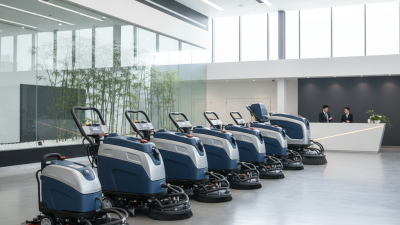
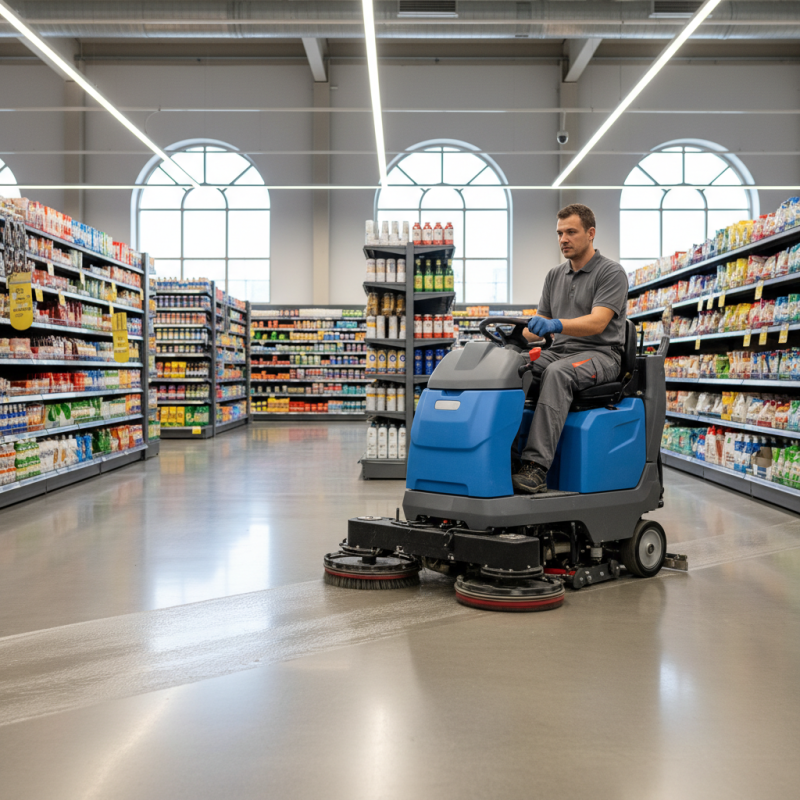
Consider the surfaces you will clean. For homes, compact models often work well. They are easy to maneuver and store. In larger commercial areas, opt for scrubbers with greater capacity. These models can hold more water and detergent, meaning fewer refills and less downtime. However, larger machines can be heavy and may need more maintenance. Assess your needs carefully.
Capacity also affects performance. A scrubber with a small tank may need frequent refills, interrupting your cleaning process. Conversely, a larger tank can handle extended cleaning sessions. But, a big tank means a heavier machine, making it difficult to use in smaller areas. Reflect on your cleaning habits. This will guide you towards the right choice.
Assessing the Power Source: Battery vs. Corded Options
When selecting a floor washing scrubber, the choice between battery-powered and corded options is crucial. According to industry reports, around 40% of users express dissatisfaction with battery life, especially in high-demand settings. Corded models typically offer more power and unlimited runtime, which is ideal for larger spaces. However, they might limit maneuverability.
Battery-operated scrubbers are convenient. They provide freedom from cords and easy access to tight spots. A 2022 survey indicated that 70% of users preferred battery scrubbers for home use due to increased mobility. Yet, battery performance can decline over time, which raises concerns about long-term reliability. Regular maintenance and timely battery replacement become necessary to maintain efficiency.
Consider your specific needs. If frequent recharging disrupts your cleaning routine, a corded model may be better. Conversely, if your cleaning areas are small, a battery model will suffice. Evaluating the balance between power and portability is key. Reflections on your cleaning patterns can lead to a more informed choice.
Cost Analysis: Budgeting for Your Floor Washing Scrubber Purchase
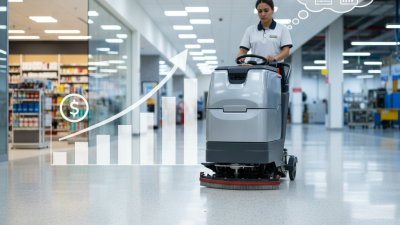
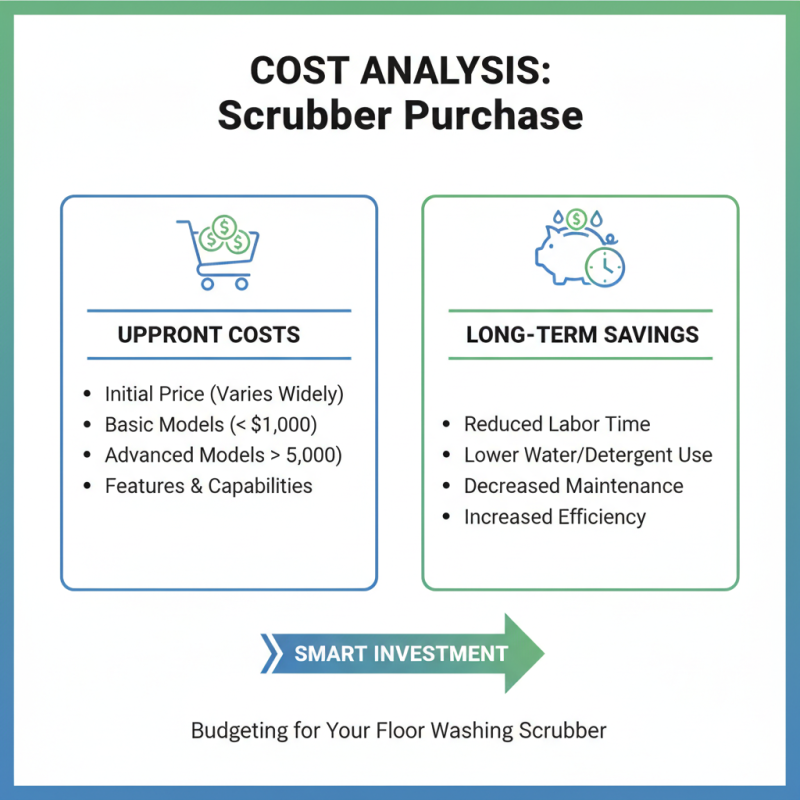
When budgeting for a floor washing scrubber, it’s crucial to consider both upfront costs and long-term savings. The initial price can vary significantly, depending on features and capabilities. Basic models may cost less but might lack efficiency. More advanced options may require a higher investment but can save time and water in the long run.
You should also factor in maintenance and operational costs, which often fluctuate. Some scrubbers may need more frequent repairs or specialized cleaning solutions. Understanding these potential expenses can help you make a more informed decision.
Think about your specific cleaning needs. How often will you use the scrubber? For commercial spaces, investing in a reliable machine can prevent frequent replacements. However, for occasional use, a cheaper option may suffice. Reflect on your choices and their implications. Prioritize what fits your needs best while considering the full scope of investment.