How to Choose the Best Hand Push Scrubbers for Your Needs?
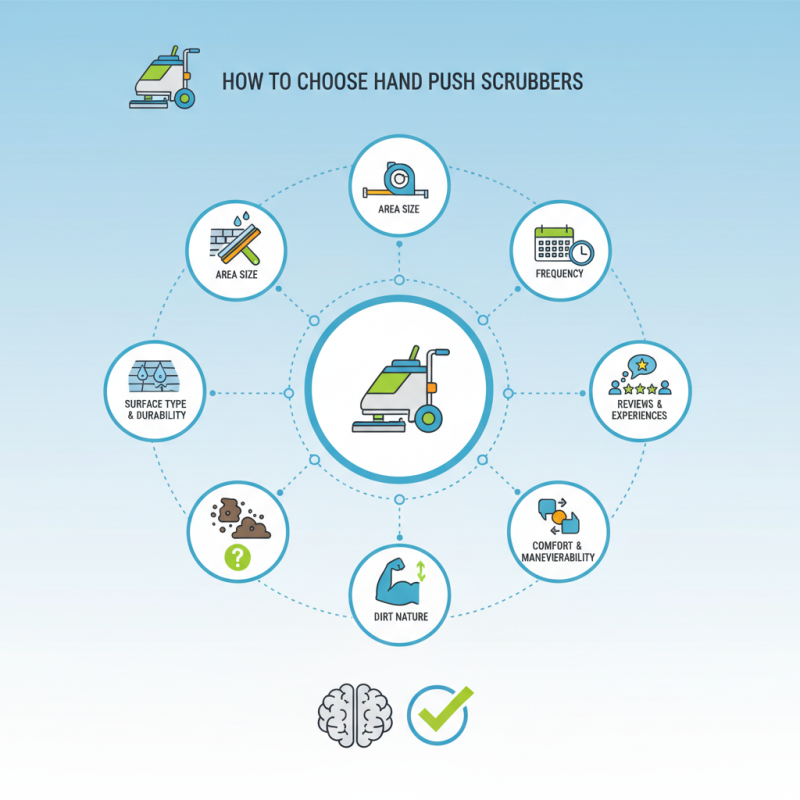
When it comes to choosing the right cleaning tools, Scrubbers Hand Push stand out for their versatility. Selecting the best option can be challenging. Many factors influence your decision, including the type of surfaces, the size of the area, and the nature of the dirt you're dealing with. Each model offers unique features and capabilities, which can lead to confusion.
Consider how often you will use these scrubbers. Frequent usage may require a more durable design. Dirt types also play a role. Are you tackling heavy grease or light dust? Some scrubbers excel in specific situations but may fall short in others. It’s essential to evaluate your specific cleaning needs.
Don’t overlook the importance of comfort and maneuverability. A tool that feels heavy can hinder your progress. Take time to analyze reviews and consider personal experiences shared by others. Scrubbers Hand Push are not one-size-fits-all solutions. Reflect on your unique requirements to make an informed choice.
Understanding Hand Push Scrubbers: Types and Uses
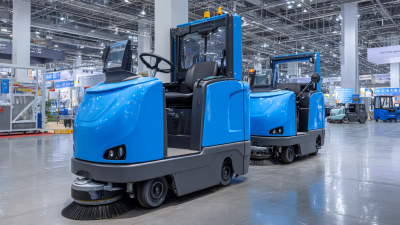
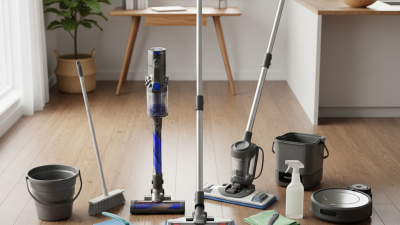
Hand push scrubbers come in various types, each designed for specific tasks. Manual scrubbers are straightforward but require effort. Electric versions can cover larger areas quickly, making them ideal for commercial spaces. Consider the material of the brush; softer bristles are better for delicate surfaces, while stiff ones work well for tough grime.
When choosing a scrubber, assess your cleaning needs. Are you tackling heavy-duty stains or light maintenance? Think about the areas you’ll clean. Indoor spaces, like kitchens, often need different scrubbers than outdoor surfaces. It’s essential to choose a tool that matches the job type. Often, users overlook the importance of weight and maneuverability, which can affect usability over time.
Maintenance of the scrubber itself is often forgotten. Regular cleaning of the brush is vital to ensure longevity. Failing to do so can reduce efficiency. Investing time in selecting the right scrubber pays off. It enhances your cleaning experience and leads to better results. What seems like a small decision can impact overall cleanliness drastically.
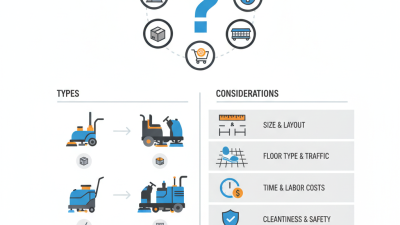
Hand Push Scrubbers: Types and Uses
Key Features to Consider When Choosing a Hand Push Scrubber
Choosing the right hand push scrubber can significantly impact your cleaning efficiency. Key features to consider include the type of bristles. Different bristle materials serve various surfaces. Soft bristles suit delicate floors, while stiff bristles handle rugged surfaces better. It's important to match the brush type to your specific tasks.
Weight and maneuverability also play a crucial role. A lightweight scrubber allows for easy handling. Users often struggle with heavy models, leading to fatigue. Try different options to see what feels comfortable for your cleaning routine.
Lastly, consider the scrubber's design. Ergonomic handles reduce strain during prolonged use. A well-designed scrubber will have adjustable height settings. Reflect on your cleaning habits and the environments you tackle. Choosing the right scrubber is more than just a transaction; it’s about enhancing your cleaning experience effectively and sustainably.
Assessing Your Cleaning Needs: Size and Frequency of Use
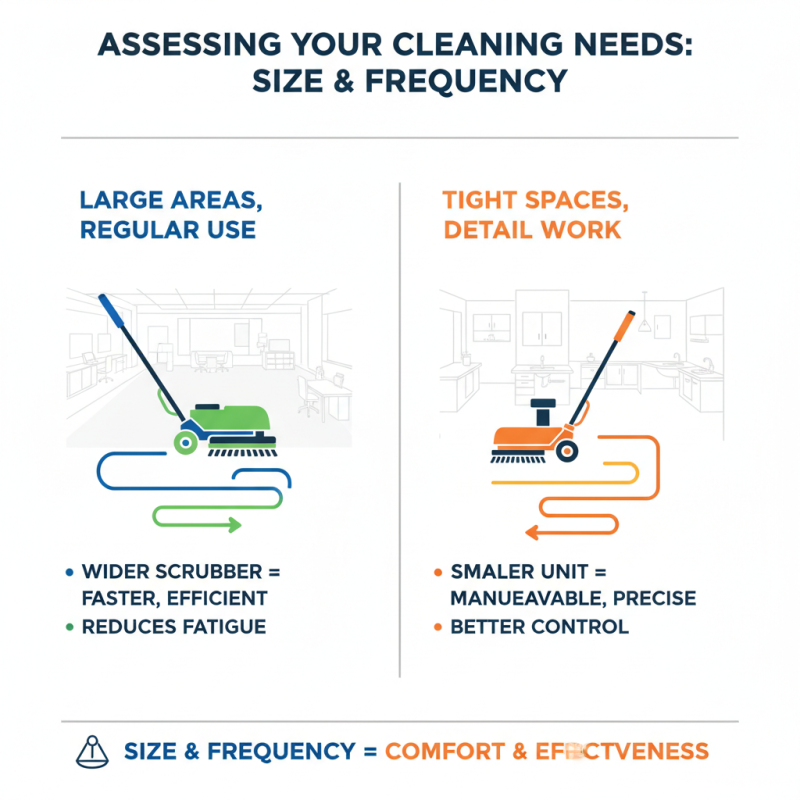
When choosing hand push scrubbers, consider how often and where you'll use them. If you clean large areas regularly, a wider scrubber might be beneficial. On the other hand, for detailed work in tighter spaces, a smaller unit would suffice. Size impacts not just effectiveness but also your physical comfort during use.
Tips: Always assess your physical capabilities. If you're cleaning frequently, a lightweight design can reduce fatigue. Heavy scrubbers may provide power but can be tiring.
Frequency of use also dictates the type of material in the scrubber. If you scrub daily, opt for durable brushes that withstand wear. If the cleaning is occasional, lighter materials may do the trick. However, be cautious. Less durable options may break easily, leading to unexpected purchases.
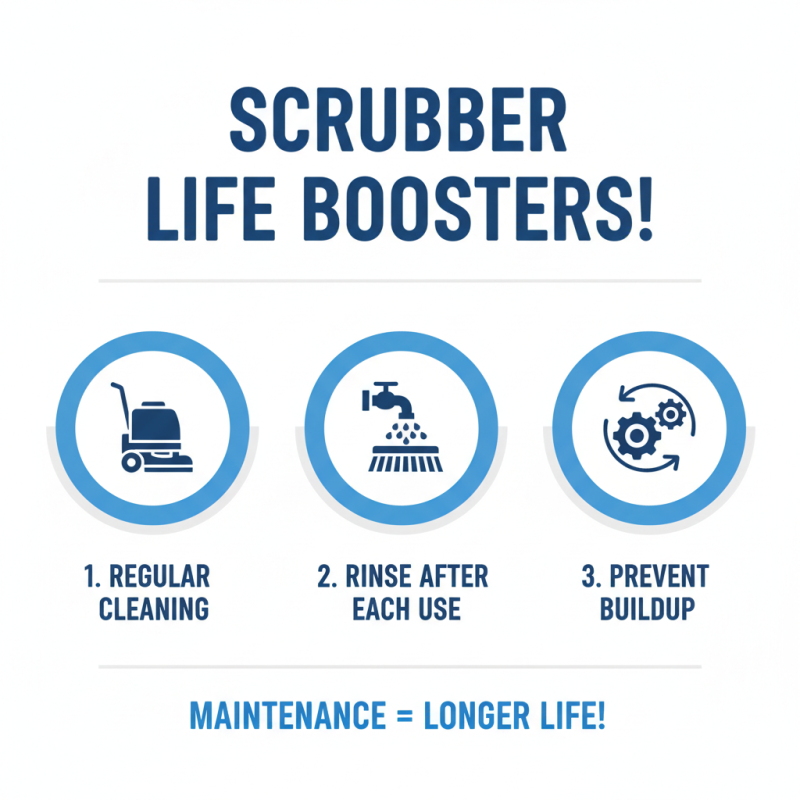
Tips: Regular maintenance will extend the life of your scrubber. Clean it after each use to prevent buildup. Don't overlook the importance of choosing the right bristle type for your specific surfaces to avoid damage.
Comparing Prices and Brands for Quality Hand Push Scrubbers
When selecting a hand push scrubber, price and brand can greatly affect your choice. According to industry reports, the price range for quality scrubbers varies significantly. Basic models start around $50, while advanced options can exceed $300. Budget-conscious buyers might overlook performance for cost. However, investing more could yield better durability and efficiency.
Several prominent brands dominate the market, often setting standards for quality. However, not every well-known name ensures the best product for your needs. New companies also offer innovative features at lower prices. This can lead to confusion. A thorough comparison is essential. Pay attention to customer reviews and detailed specifications. Some brands have extensive warranties, indicating confidence in their products.
Understanding your specific cleaning needs is crucial. For example, a lightweight scrubber might be perfect for small areas. Yet, a heavier-duty model may suit larger, tougher tasks. Each choice impacts efficiency and results. Balancing price and performance is key. It often requires trial and feedback to find the perfect fit.
How to Choose the Best Hand Push Scrubbers for Your Needs?
| Type |
Material |
Weight (lbs) |
Price ($) |
User Rating (out of 5) |
| Standard Hand Push Scrubber |
Plastic |
3.5 |
25.99 |
4.2 |
| Heavy-Duty Hand Push Scrubber |
Metal |
4.2 |
45.50 |
4.5 |
| Eco-Friendly Hand Push Scrubber |
Bamboo |
2.8 |
30.00 |
4.0 |
| Compact Hand Push Scrubber |
Plastic |
2.0 |
18.99 |
4.1 |
| Industrial Hand Push Scrubber |
Steel |
5.0 |
70.00 |
4.8 |