How to Choose the Right Cleaner Machine for Your Needs?
Choosing the right Cleaner Machine can be a daunting task. With so many options available, how do you know what suits your needs best? Often, buyers may overlook essential factors. Selecting the wrong machine can lead to frustration and wasted resources.
Consider your specific cleaning tasks. Different machines cater to various surfaces and messes. Some excel on carpets, while others are designed for hard floors. This shows the importance of understanding your environment. Power and efficiency are also key elements. You want a machine that will get the job done effectively without excessive effort.
However, it's easy to get overwhelmed by features. Not every high-tech option is necessary for every user. Simplicity can sometimes be more beneficial. Make sure to balance your requirements with your budget. Remember, investing in a Cleaner Machine is not just about the price tag; it's about long-term performance and reliability.
Key Considerations for Evaluating Cleaner Machines in Various Industries
When selecting a cleaner machine,
it is essential to consider industry-specific needs. Different industries have unique challenges.
For instance, a healthcare facility requires machines
that ensure a sterile environment. In contrast, the food service industry
demands equipment that is both effective and safe for food contact.
Evaluate the type of surfaces that the cleaner machine will tackle. Some machines excel on hard surfaces
but struggle with carpets or textiles. The power of the machine is crucial too.
Machines with higher suction power often provide better results, particularly in areas with heavy dirt or stains.
It's worth noting that sometimes, more powerful machines may cause wear and tear on certain surfaces.
Don’t overlook maintenance and operational costs.
A low purchase price might be tempting, but if the machine requires frequent repairs, it could become a financial burden.
Reflect on the availability of parts and service support in your area. It’s easy to choose a machine based solely on features
and price, but understanding long-term implications is vital. Sometimes, a more expensive machine could save you
money and hassle in the long run.
Understanding Different Types of Cleaner Machines and Their Applications
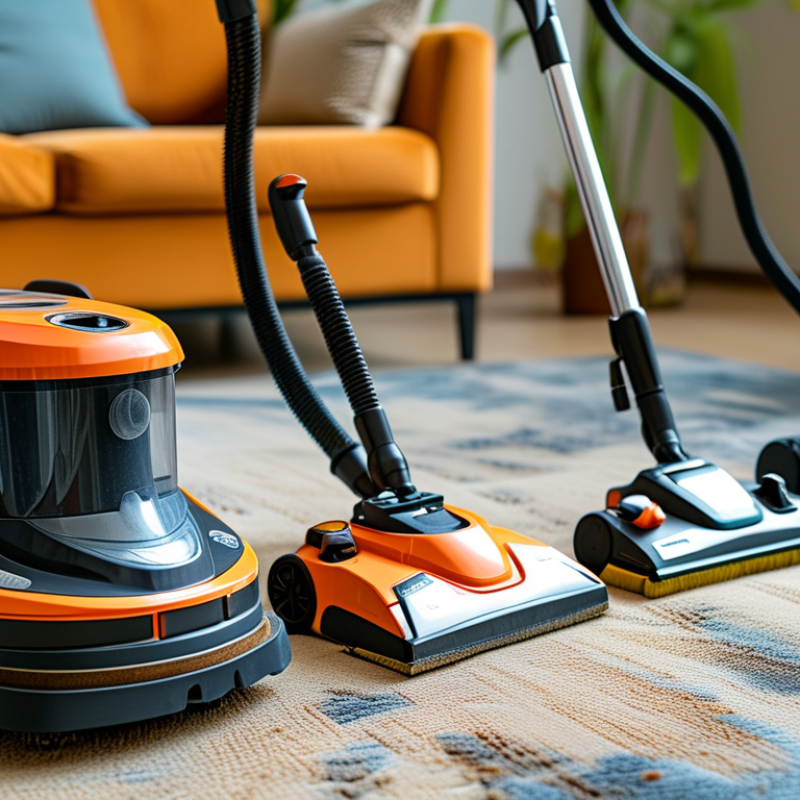
When selecting a cleaner machine, understanding the various types available is essential. Different environments and surfaces require tailored solutions. For instance, commercial-grade vacuum cleaners excel in office settings due to their high suction power. They are designed to handle larger debris and extensive cleaning areas. According to the Institute of Cleaning Industry Research, these machines can increase efficiency by 30%, significantly reducing cleaning labor.
On the other hand, floor scrubbers are ideal for hard surfaces in industrial spaces. They provide deep cleaning capabilities while minimizing water use. Recent studies show that floor scrubbers can remove up to 99% of germs when used with proper cleaning solutions. This makes them a valuable choice in healthcare and food service industries. However, one must consider their maintenance costs and compatibility with existing cleaning protocols.
Carpet cleaners serve a different purpose. They are built to tackle stains and deeply embedded dirt. Yet, reliance on these machines can lead to over-saturation of carpeting if not operated correctly. A balance between frequency of use and the right technique is crucial. Relying solely on one type of cleaner may not suffice for diverse cleaning needs, highlighting the importance of evaluating your specific requirements.
Analyzing Cleaning Power: PSI, GPM, and Their Impact on Performance
When choosing a cleaner machine, two critical specifications stand out:
PSI
(pounds per square inch) and
GPM
(gallons per minute).
PSI measures the pressure delivered by the machine, while
GPM reflects the water flow rate.
Higher PSI means more force, and higher GPM ensures better cleaning efficiency.
A report from the American Cleaning Institute indicates that optimal PSI can range from
1300 to 3100
for effective residential cleaning, depending on task severity.
For instance, a PSI of 2000 is suitable for common tasks like washing cars or cleaning patios.
Yet, one might realize that not all surfaces withstand high pressure well.
Low-pressure settings can be beneficial for delicate areas,
yet may not remove tough stains effectively. The GPM value plays a significant role too.
Machines with a GPM of 2.5 or more are favored for deeper cleaning, as water volume helps rinse away dirt.
However, higher flow may require better drainage options.
Balancing PSI and GPM can be tricky.
While powerful cleaning might seem advantageous, it may result in damaging surfaces if misused.
Research suggests users should assess surfaces before applying high pressure or flow rates.
Identifying specific needs can lead to better machine choices, ensuring effective cleaning without compromising safety.
Evaluating these parameters helps users avoid potential pitfalls, making the selection process more strategic.
Assessing Energy Efficiency Ratings for Cleaner Machines: A Comparative Study
When choosing the right cleaner machine, energy efficiency is crucial. Understanding energy efficiency ratings helps in making informed decisions. These ratings inform consumers about the energy consumption of cleaner machines. Higher ratings often mean lower energy bills and a smaller carbon footprint.
Evaluating energy efficiency often involves comparing different models. Various factors contribute to a machine’s efficiency, including motor power and design. Some models may seem efficient but lack durability. It can be frustrating to choose a machine that performs poorly. Look for independent studies that assess energy performance over time.
Certain energy-efficient models may cost more upfront but save money in the long run. Assessing user reviews can provide insights into real-world performance. Remember, not all high-rated machines suit every cleaning task. It's essential to reflect on your specific needs before making a choice. A thorough comparison may reveal unexpected results.
Evaluating Cost-Effectiveness: Initial Investment vs. Long-Term Savings
Choosing the right cleaner machine involves careful consideration of costs. Analyzing initial investments versus long-term savings is crucial. A report from the Cleaning Equipment Institute found that businesses can save up to 30% in operational costs by selecting the right equipment. This figure highlights the importance of a smart initial purchase.
A well-chosen cleaner can reduce labor costs significantly. For example, using a high-efficiency machine can decrease cleaning time by up to 50%. This not only improves productivity but also allows for reallocating resources. However, the upfront cost may deter some. It's essential to view this as a long-term investment.
Moreover, maintenance and energy efficiency also play a role. Machines that are energy-efficient often lead to lower utility bills, offering potential savings that can recoup initial costs over time. However, some may overlook the importance of regular maintenance, which can lead to additional costs down the road. Balancing these factors is key to making an informed decision.
Evaluating Cost-Effectiveness of Cleaner Machines