What is a Floor Washing Scrubber and How to Choose the Best?
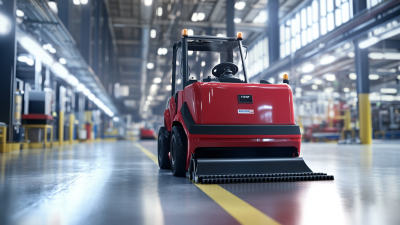
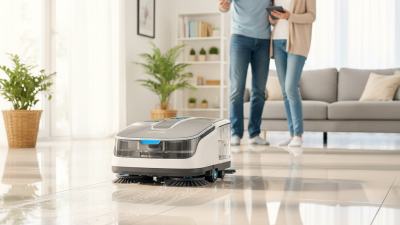
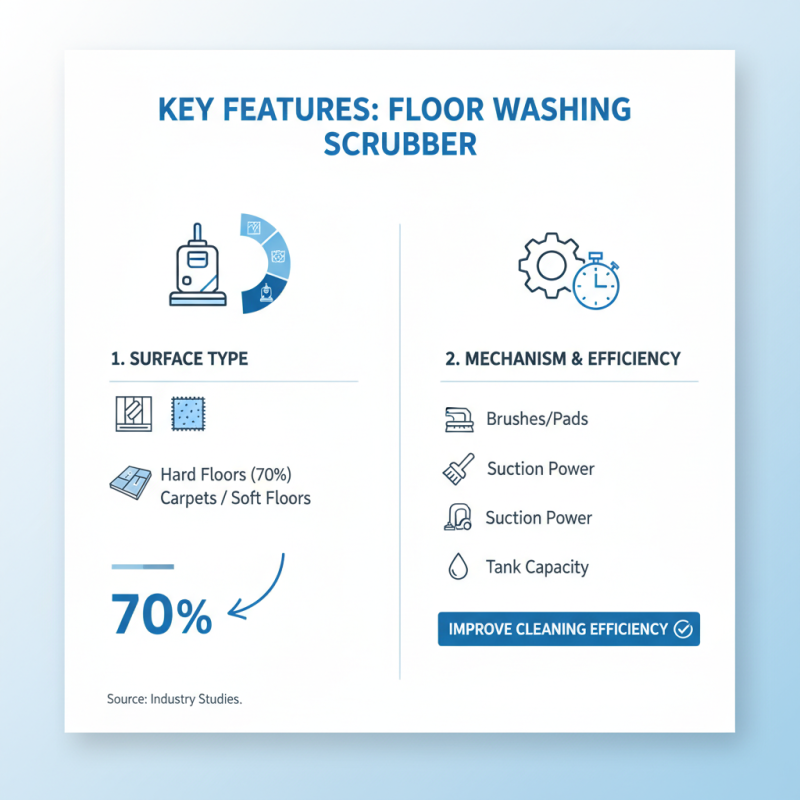
When it comes to maintaining clean floors in commercial and residential spaces, a Floor Washing Scrubber is a crucial tool. This equipment is designed to enhance cleaning efficiency, ensuring surfaces are spotless and safe. Many businesses and individuals recognize the value of investing in a high-quality scrubber. However, choosing the right model can be daunting.
Different factors influence the choice of a Floor Washing Scrubber. Size and type of the surface, frequency of use, and specific cleaning needs are just a few. Some models perform well on hard surfaces, while others excel on carpets. Users often report confusion over features, such as water tanks and brush types. Research and user experiences play an essential role in helping you make an informed decision.
While many scrubbers offer advanced features, there are few that stand out as the best. Potential buyers may feel overwhelmed by the options available. Peer reviews and expert opinions can guide you through common pitfalls. Striking the right balance between budget and performance is critical. Your cleaning requirements should align with the scrubber's capabilities. This ensures that your investment is both reliable and effective.
Understanding the Basics of Floor Washing Scrubbers
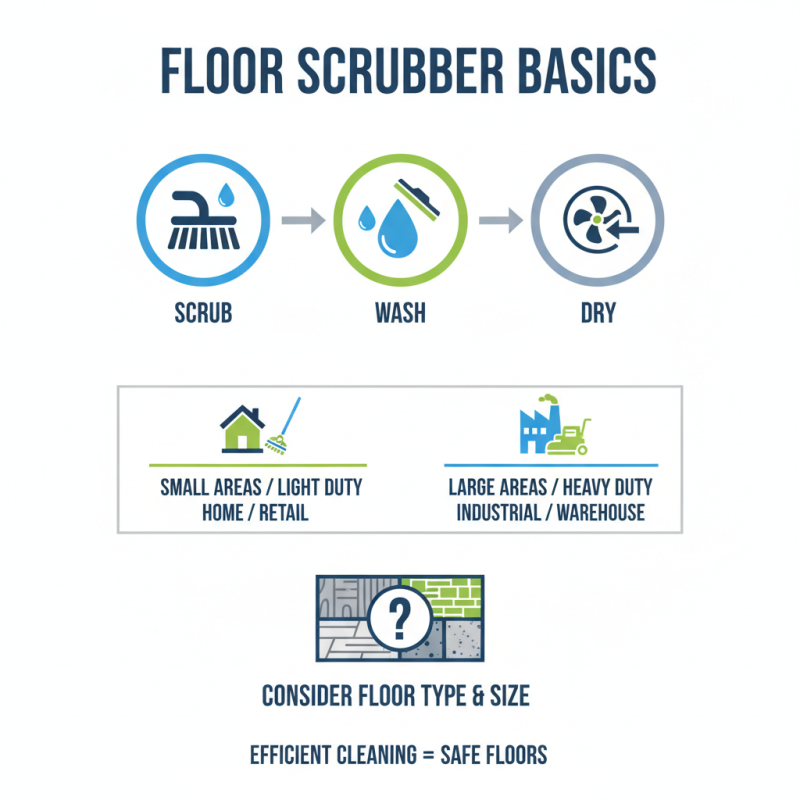
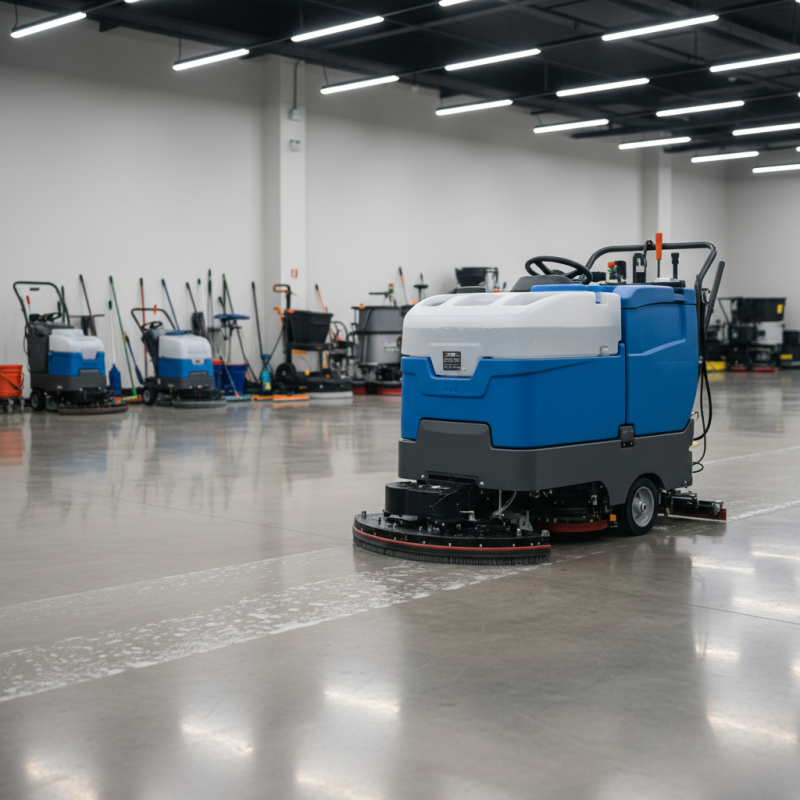
A floor washing scrubber is an essential tool for maintaining clean and safe surfaces. This machine combines scrubbing, washing, and drying, making cleaning efficient. Understanding the basics of how these scrubbers work can aid in effective maintenance routines. Consider the size and type of your floors. Different surfaces require different scrubbers.
When choosing a scrubber, look for features that suit your needs. Some models offer adjustable brush pressure. Others have various cleaning modes, enhancing versatility. Also, check the water capacity; larger tanks allow for extended use without frequent refilling.
**Tips**: Always assess your floor type before purchase. A heavy-duty scrubber may damage delicate surfaces. Regularly maintain your scrubber for better performance, including checking brushes and batteries. Remember that cleaning productivity depends on the right equipment. Choose wisely to avoid unnecessary costs and inefficiencies.
Types of Floor Washing Scrubbers Available in the Market
When it comes to floor washing scrubbers, you'll find several types designed for various cleaning needs. There are manual, battery-operated, and corded models. Manual scrubbers let you control the scrubbing force. They are dry or wet options, allowing flexibility. Battery-operated models offer mobility and are great for larger areas. However, you need to ensure the battery life suits your cleaning routine.
Corded scrubbers provide continuous power but can be restrictive. They are often more powerful, making them suitable for heavy-duty jobs. Meanwhile, compact versions are designed for tight spaces, like bathrooms or kitchens. Keep in mind that ease of use is crucial. Choose one with intuitive controls to enhance efficiency.
The material of scrubber pads also varies. Some are intended for delicate surfaces, while others are durable for tough grime. Reflect on your flooring type and cleaning frequency. Picking the right scrubber can sometimes feel overwhelming. Test different options if possible to find the right fit for your needs.
Key Features to Consider When Choosing a Floor Washing Scrubber
When choosing a floor washing scrubber, consider key features that influence performance and usability. One crucial aspect is the type of surface you will clean. For instance, hard floors require different mechanisms than carpets. According to industry studies, 70% of floor scrubbers are designed specifically for hard surfaces. This means selecting the right model can significantly improve cleaning efficiency.
Another essential feature is tank capacity. Larger tanks support extended cleaning sessions without frequent refills. Studies indicate that machines with tanks exceeding 15 gallons can reduce downtime by 30%. Additionally, assess the scrubber's weight and maneuverability. A heavier machine may be more durable but could pose challenges in tight spaces.
Finally, think about the scrubber's ease of maintenance. Some models require regular servicing every six months, while others can operate with minimal attention. A survey showed that 45% of facility managers prioritize maintenance ease when selecting equipment. Reflect on these attributes as they directly impact both cleaning effectiveness and operational costs.
Pros and Cons of Using Floor Washing Scrubbers
When considering a floor washing scrubber, understanding its pros and cons is crucial. These machines can effectively eliminate dirt and grime from various surfaces. They save time and labor, making cleaning more efficient. For businesses with large areas, this efficiency can be a game-changer. However, they can also require a significant upfront investment. If budgets are tight, this could pose a challenge.
On the downside, some scrubbers can be heavy and cumbersome. This limits their mobility in tight spaces. Maintenance is another concern; if not cared for properly, their performance can decline. Users often report issues with clogged brushes or draining systems. Additionally, learning to operate a scrubber requires time and practice. Mistakes in usage can lead to streaks on floors or damaged surfaces.
Ultimately, it's important to weigh these advantages and disadvantages carefully. Different environments may benefit from scrubbers in unique ways. Consider the specific needs of your space and the potential return on investment. Beside the immediate cleaning benefits, think about long-term reliability and operational costs. A thorough evaluation can lead to better choices in the long run.
Floor Washing Scrubbers: Pros and Cons Overview
This chart shows the pros and cons rating of floor washing scrubbers based on five dimensions: Effectiveness, Cost, Maintenance, Portability, and Environmental Impact. Each aspect is rated on a scale from 1 to 10, providing an overview of the considerations when choosing a floor washing scrubber.
Tips for Maintaining Your Floor Washing Scrubber for Longevity
Maintaining a floor washing scrubber ensures its longevity and efficiency. According to the Cleaning Industry Research Institute, regular maintenance can increase equipment lifespan by up to 30%. Neglecting upkeep, however, can lead to performance decline. Check the scrubber’s brushes and pads regularly. Worn-out components can reduce cleaning effectiveness.
Daily inspections are vital. Look for signs of wear and tear. Clean the tanks after each use to prevent residue buildup. This simple step can mitigate bacterial growth. Filters should be changed per manufacturer recommendations. A clogged filter can reduce suction and lead to inefficiency.
Training staff on proper usage is crucial. Even a small error can lead to damage. Encourage them to follow guidelines meticulously. Keep a maintenance log to track service dates and parts replacements. This not only helps in spotting trends but also helps ensure timely interventions. It’s a reflective practice that fosters responsibility and awareness among the team. Over time, investment in proper maintenance pays off, contributing to cost savings and improved cleaning results.