What Is an Auto Scrubber Machine and How Does It Work?
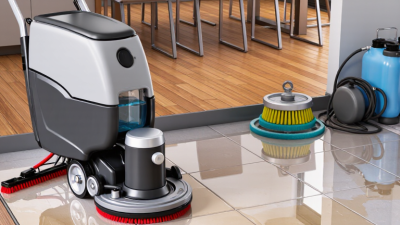
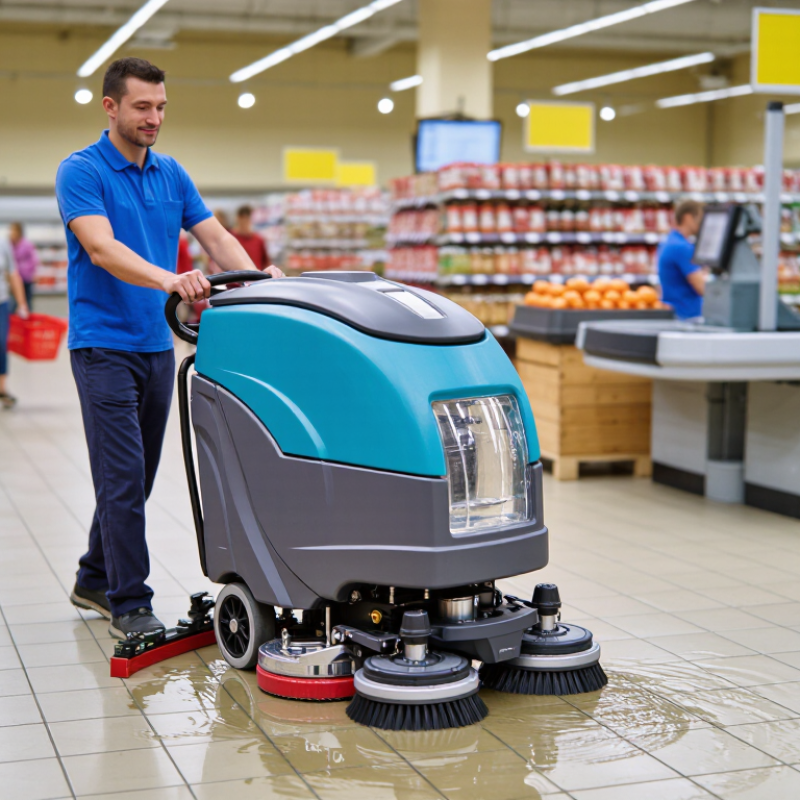
An auto scrubber combines water delivery, rotating brushes, and vacuum recovery in one cleaning system. Most units operate on 24–36 V battery power, which supports steady movement across commercial floors. The brushes commonly rotate between 150 and 300 RPM. This action loosens tracked-in soil, grease, and fine dust from hard surfaces.
Clean water reaches the brush deck through controlled jets. The machine then agitates the floor with pressure and rotation. A rear squeegee gathers the dirty solution. The vacuum motor pulls it into a recovery tank, leaving a noticeably drier path behind. I have found that vacuum performance depends heavily on squeegee contact and tank maintenance. Small gaps can leave wet streaks. Not perfect.
Battery condition also affects cleaning consistency. A weak battery may reduce brush torque, water flow, or travel speed.
Tips: Match brush speed and pressure to the floor finish. Excessive pressure may dull delicate surfaces. Empty the recovery tank before foam reduces suction. Inspect the squeegee blades daily, especially after cleaning rough concrete.
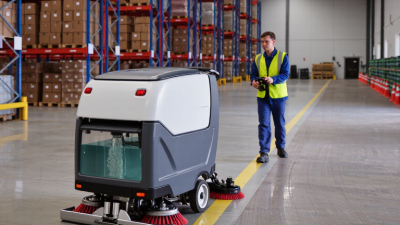
Operators should check the floor first, because loose debris can scratch polished surfaces during scrubbing. Water temperature, detergent concentration, and walking speed also matter. More detergent is not always better. Residue can attract soil and require another cleaning pass. Some operators overlook this detail. That mistake costs time.