Inquiry
Form loading...

How to Choose the Best Concrete Floor Scrubber?

Choosing the right Concrete Floor Scrubber is not simply a matter of comparing brush speed or motor power. The machine must match the floor finish, soil type, traffic level, and cleaning schedule. A polished warehouse floor needs different treatment from textured concrete near loading bays. That difference matters.

Industry evidence supports a practical approach. Grand View Research’s commercial floor cleaning machines analysis identifies productivity, labor efficiency, and automation as major market drivers. The report also shows increasing demand for equipment that reduces cleaning time and operating costs. ISSA’s Value of Clean research connects effective cleaning with workplace health, employee performance, and business outcomes. These findings suggest that a scrubber should be judged beyond its purchase price. Water recovery, battery runtime, recovery-tank capacity, noise, service access, and operator safety deserve equal attention. A cheaper machine may become expensive when it leaves wet tracks or requires frequent repairs.

Stephen Ashkin, a recognized green-cleaning specialist, has said, “Green cleaning is not just about products; it is about processes, procedures, and people.” His point applies directly here. The best Concrete Floor Scrubber uses water and chemicals efficiently while supporting consistent operator habits. Measure the aisle width. Check doorway clearance. Test the machine on actual concrete. Do not trust a glossy brochure alone. A shiny floor can still be poorly cleaned. Even expert recommendations have limits, because local dust, coatings, and maintenance skills change the result. This guide compares those practical factors, helping buyers choose equipment that performs reliably in real working conditions.
How to Choose the Best Concrete Floor Scrubber?

Understanding Concrete Floor Scrubber Types and Their Cleaning Methods

How to Choose the Best Concrete Floor Scrubber?

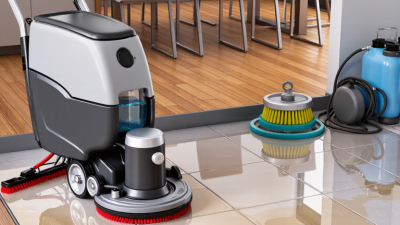
Choosing a concrete floor scrubber starts with understanding the surface and the soil. Smooth, sealed concrete usually responds well to disc scrubbers with soft or medium pads. Their rotating action spreads cleaning solution evenly and removes light dust, tire marks, and daily grime. Rough or textured concrete may need a cylindrical scrubber. Its brush reaches shallow grooves more effectively. I have found that brush pressure matters more than machine size in many facilities. Too much pressure can wear the surface without improving the result.

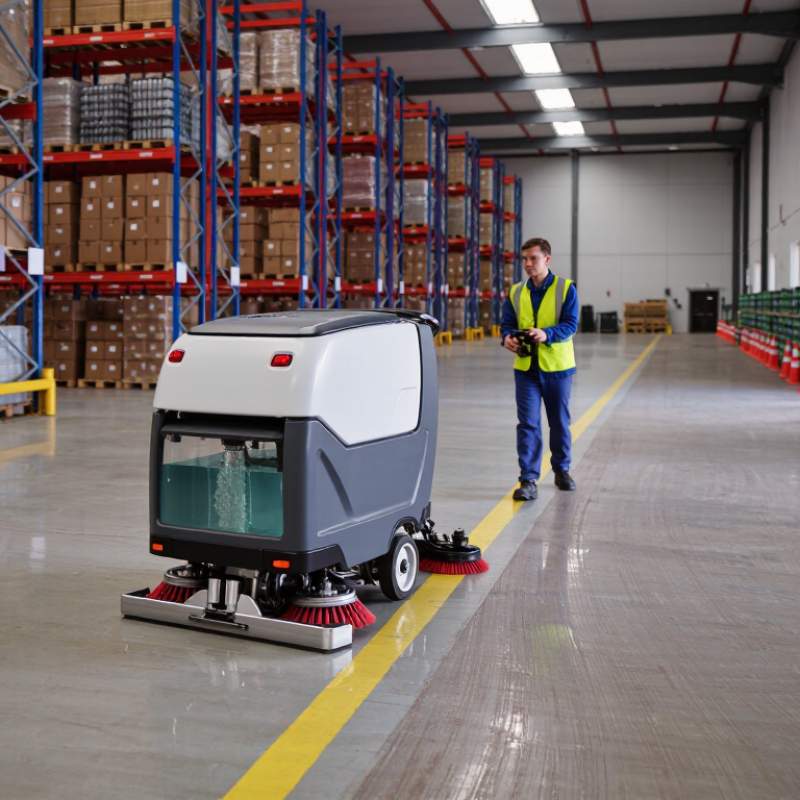
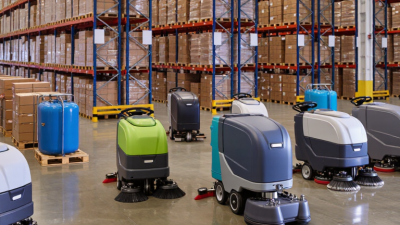
Large warehouses often benefit from ride-on scrubbers because they cover wide aisles quickly. Walk-behind machines offer better control in narrow rooms, workshops, and crowded storage areas. For heavy oil or embedded dirt, use a suitable degreasing solution before wet scrubbing. Always test it in a small area. Concrete can look durable, but unsealed sections may absorb chemicals and moisture. That mistake is easy to overlook.

Tips: Match the brush to the floor texture, not just the dirt level. Use less water on porous concrete. Check the recovery tank during long cleaning cycles. A machine that leaves dirty water behind is not cleaning efficiently. Operators should move slowly around edges and inspect the floor after drying. Settings may require adjustment; one pass rarely solves every problem. Surface age, temperature, and previous coatings can change the cleaning result.
Assessing Floor Conditions, Surface Size, and Cleaning Requirements

Choosing the best concrete floor scrubber starts with the floor, not the machine.

Inspect for oil film, cement dust, tire marks, cracks, and uneven joints. A smooth warehouse floor may need moderate pressure and a soft-to-medium pad. Rough concrete often needs stronger agitation, but excessive pressure can remove surface coatings. That mistake is common.

Measure the cleaning area before comparing equipment. Large open floors favor wider decks and higher solution capacity. Narrow aisles require compact machines with precise steering.

The U.S. Department of Energy’s 2020 Commercial Buildings Energy Consumption Survey counted about 5.9 million U.S. commercial buildings, showing how varied cleaning environments can be. Cleaning frequency matters too. A food-processing area needs frequent soil removal and controlled water use. A parking garage may need heavy-duty recovery and longer battery endurance.

Wet floors also deserve attention. The U.S. Bureau of Labor Statistics recorded 865 fatal workplace falls, slips, and trips in 2022. Dry recovery is not a minor feature.

Tips:

Test a small section first. Check the recovered water. If it looks gray after one pass, the method may be working. If the floor stays wet, reduce solution flow or increase recovery speed. Record pad type, pressure, and pass speed. Your first choice may still need adjustment. Concrete is rarely uniform.

Comparing Scrubber Features, Power Sources, and Operating Capacity

How to Choose the Best Concrete Floor Scrubber?

A reliable concrete floor scrubber should match the surface, dirt level, and daily workload. Start with practical features, not attractive specifications. Adjustable brush pressure helps remove tire marks without damaging polished concrete. Variable water flow prevents flooding and reduces drying time. A wide squeegee should collect wastewater evenly, including near wall edges. Inspect the recovery tank after each shift. Small cracks can expose weak seals.

Power source affects productivity and indoor comfort. Battery machines offer quiet operation and easy movement around warehouses, hospitals, and retail aisles. Check charging time, battery replacement cost, and actual runtime under heavy brush pressure. Corded units provide continuous power but may restrict movement around shelving. Fuel-powered scrubbers suit large outdoor areas, but ventilation and noise require careful control. Noise matters. My first choice favored maximum power, yet the machine felt excessive in narrow corridors.

Operating capacity is more than cleaning width. Compare brush width, solution-tank size, recovery capacity, speed, and estimated square meters per hour. A large tank may reduce refills, but added weight can increase operator fatigue. Confirm that the machine fits through doorways, elevators, and storage spaces. Measure the doorway. Test the scrubber on wet, textured concrete before purchase. Manufacturer figures often assume ideal floors and experienced operators. Real productivity can fall when workers change pads, empty tanks, or avoid obstacles. A dependable choice leaves room for these interruptions.

Choosing the Right Brush, Pad, Water System, and Recovery Tank

How to Choose the Best Concrete Floor Scrubber?

Choosing the right brush or pad begins with the concrete surface. Use stiff cylindrical brushes for textured floors and embedded grit. Softer pads suit polished concrete and light daily dust. A 2024 technical guide from the American Concrete Institute stresses that surface condition affects cleaning performance and floor durability. Test a small area first. It prevents expensive mistakes. I have seen aggressive pads dull a sealed floor within one shift.

Water control matters as much as agitation. A low-flow system can reduce puddles, detergent waste, and drying time. The U.S. EPA WaterSense program reports that efficient products use at least 20% less water while maintaining performance. That benchmark is not written specifically for scrubbers, so operators should measure actual consumption.

Record liters used per 1,000 square feet. The number may surprise you.

The recovery tank should hold enough liquid for the full cleaning route, with space for foam and debris. A tank that is too small causes frequent dumping and lost labor. Choose a clear recovery lid, accessible filter, and strong suction path. OSHA identifies 85 dBA as the eight-hour noise action level, so check the machine’s measured sound level, not only its brochure rating. Noise data is often taken under ideal conditions. Real floors are less forgiving. Also inspect tank seals weekly; a small leak can leave contaminated water behind.

Evaluating Safety, Maintenance, Efficiency, and Long-Term Cost

How to Choose the Best Concrete Floor Scrubber?

Evaluating Safety, Maintenance, Efficiency, and Long-Term Cost

Choosing a concrete floor scrubber starts with the working environment, not the machine’s advertised power. Observe floor texture, aisle width, drainage, lighting, and daily traffic before comparing models. A stable scrubber should maintain traction on dusty or damp surfaces. Adjustable handles and clear controls reduce awkward movement during long cleaning shifts. Check emergency stops, battery protection, water-flow control, and operator visibility. Small safety details matter.

Maintenance affects performance more than many buyers expect. Inspect brush access, recovery tanks, squeegees, filters, hoses, and charging connections. Components should be removable without specialized tools or excessive force. After each shift, operators should empty dirty water and rinse residue from the tank. This prevents odors and protects suction. Keep a simple service log. It exposes repeated problems early.

Efficiency is not just cleaning speed. Measure cleaned square meters per hour, water consumption, battery runtime, drying time, and labor minutes. A wider cleaning path may perform poorly in crowded areas. Longer runtime can also increase charging costs. Calculate purchase price, replacement brushes, batteries, repairs, water, and labor over several years. Use documented test results when possible. No machine is perfect. I would test it on an actual concrete section before approving the purchase, because polished floors, rough joints, and embedded dust can change performance quickly. My first estimate may be wrong. That is useful to discover early.