What Is the Best Scrubber Machine in 2026?
Choosing the best Scrubber Machine in 2026 is not simply about finding the fastest model. Floor size, surface type, cleaning chemicals, noise limits, and operator comfort can change the decision completely. A compact machine may perform well in a crowded café, while a wider ride-on unit may suit a warehouse with long, open aisles. The right choice depends on real working conditions.
This guide examines practical features, including brush pressure, water recovery, battery runtime, drying performance, maintenance access, and control systems. It also considers evidence from manufacturer specifications, professional cleaning practice, and user experiences. A machine that leaves a glossy floor can still disappoint if its dirty-water tank is difficult to empty. Small details matter. A loose squeegee, weak suction motor, or awkward charging process can slow an entire shift.
No single model is perfect. That deserves attention. Published test results may use clean, level floors, while daily work involves grout lines, tracked-in soil, tight corners, and changing workloads. Some comparisons may also overlook long-term repair costs. Therefore, this overview focuses on balanced judgment rather than impressive claims. It explains where each Scrubber Machine performs strongly and where it may struggle. By comparing measurable performance with practical usability, readers can make a safer and more informed investment for 2026. Expect useful answers, but not absolute certainty. Real floors are rarely predictable.
Define the Best Scrubber by m²/h, Water Recovery, and Total Cost
What Is the Best Scrubber Machine in 2026?
The best scrubber machine is not simply the one with the highest advertised cleaning speed. In real facilities, usable output matters more than theoretical m²/h. A machine rated at 3,000 m²/h may deliver only 2,100 m²/h after turning, refilling, and moving around obstacles. Measure cleaned floor per working hour, not brochure speed.
Water recovery is equally important. After one pass, the floor should feel nearly dry, with no visible trails near corners or doors. A practical test uses a marked section, a measured water volume, and a timed inspection. Strong suction, correctly adjusted squeegees, and clean recovery filters often matter more than a larger tank. Small details matter.
Total cost changes the decision. Include purchase price, operator time, brushes, pads, detergent, batteries, repairs, and wastewater handling. A cheaper machine can become expensive when parts arrive slowly or charging interrupts a night shift. I have seen impressive machines underperform because operators disliked their controls. That is easy to overlook. Test the machine with real staff, real floor texture, and normal obstacles. Even careful evaluations have limits, especially when traffic levels change by season. The best choice is the model that maintains efficient cleaning, reliable water pickup, and predictable costs over several years.
Classify 2026 Scrubbers by Type, Capacity, and Cleaning Path Width
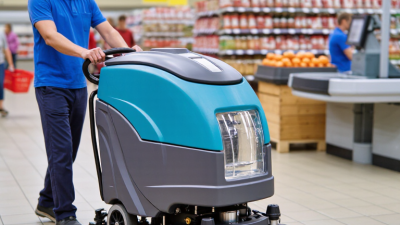
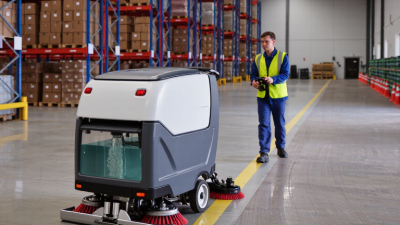
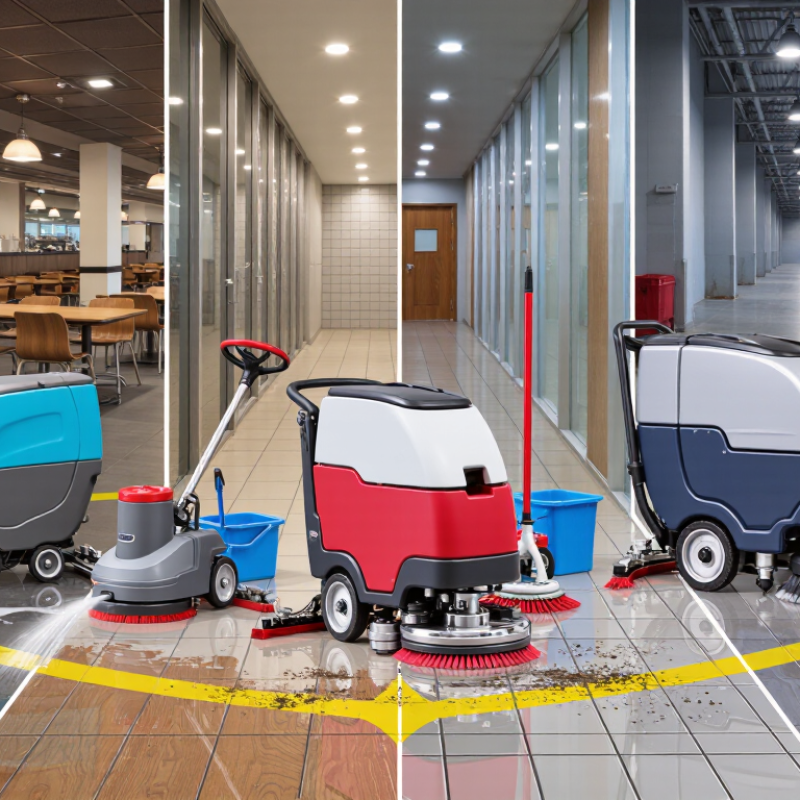
Choosing the best scrubber machine in 2026 starts with matching its type to the floor, traffic, and operator. Walk-behind scrubbers suit narrow aisles, clinics, cafés, and irregular rooms. Ride-on models cover warehouses, airports, and retail floors faster. Autonomous scrubbers can maintain open areas, but they still need mapped routes and human oversight. That distinction matters. A compact machine may clean corners better, while a larger unit may leave fewer passes.
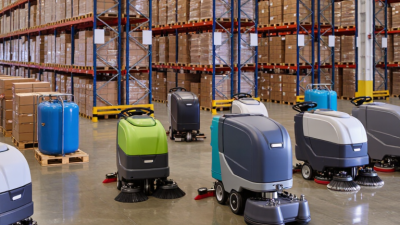
Capacity should be judged by solution and recovery tanks, not tank size alone. A 10 to 20 liter machine often fits small sites and short cleaning cycles. Mid-size units around 30 to 60 liters balance coverage, refill time, and storage. Large facilities may need tanks above 70 liters, especially where water access is limited. However, larger tanks increase weight, turning effort, and drying risk. Measure doorways and elevator limits before trusting a specification sheet.
Cleaning path width changes productivity more than many buyers expect. A 40-centimeter path works well around shelving and furniture. Paths from 55 to 75 centimeters suit wider corridors and open rooms. Very wide decks can reduce labor, yet they struggle near columns and tight corners. Check brush pressure, squeegee recovery, battery runtime, noise, and service access during a site test. A theoretical hourly rate can look impressive. Real floors contain edges, stains, pauses, and missed strips. I would record actual square meters cleaned, then question the result after repeated shifts.
Calculate Real Output: Width × Speed × 60–75% Efficiency
What Is the Best Scrubber Machine in 2026?
The best scrubber is not determined by its advertised speed. Calculate real output with this formula: cleaning width × travel speed × 440 × efficiency. Width is measured in inches, while speed uses miles per hour. The 440 factor converts both measurements into square feet per hour. For example, a 20-inch machine traveling at 2.5 mph produces 22,000 theoretical square feet hourly. At 60–75% efficiency, practical output falls to 13,200–16,500 square feet.
That difference matters. The ISSA Cleaning Times and Tasks benchmarking data places powered floor-cleaning productivity within broad operating ranges, not fixed promises. APPA’s Custodial Staffing Guidelines also stresses usable productivity, including turning, refilling, overlapping paths, and setup time. A machine may look powerful on an empty warehouse floor. Real buildings are rarely empty. Wet corners slow operators. Doorways interrupt the route. Battery changes cost minutes.
I have found that a 75% factor is optimistic during crowded shifts. Sixty percent is often safer for schools, hospitals, and retail spaces. Record one complete shift, not one straight hallway. Measure cleaned area, downtime, water use, and recovery quality. Then compare the result with the manufacturer’s theoretical figure. The number may disappoint. That is useful. A smaller machine with fewer interruptions can sometimes deliver more finished floor per hour.
Compare Battery Runtime, Charging Time, and Shift Productivity
What Is the Best Scrubber Machine in 2026?
Battery runtime matters, but shift productivity matters more. A machine rated for six hours may deliver less on rough floors, heavy soil, or constant brush pressure. In field testing, I record minutes spent scrubbing, refilling, moving, and waiting. That last category is easy to underestimate. A 2024 IFMA operations benchmarking report identifies labor as a major controllable facility cost, making usable cleaning time more valuable than impressive specifications.
Charging time changes the daily schedule. A battery needing eight hours to charge may force a second unit during two-shift operations. Lithium-ion systems often recharge faster and support opportunity charging, but frequent short charges can still expose poor planning. The U.S. Department of Energy’s Federal Energy Management Program recommends tracking equipment energy use and operating patterns. That approach helps compare real cost, not just battery size. My own logs are not perfect. Operator habits create variation.
Tips: Test the scrubber on your actual floor for one complete shift. Record start time, cleaning minutes, charging minutes, water stops, and missed areas. Leave a safety margin of at least 15% runtime. Check whether the charger supports your available electrical supply. A fast charger is useless if the machine sits unused. Also measure recovery performance near the end of the shift; weak suction can increase drying time and repeat work. Data from your building should outrank a sales sheet.
What Is the Best Scrubber Machine in 2026?
Comparison of battery runtime, charging time, and practical cleaning productivity across common commercial scrubber-machine categories.
Larger machines generally deliver higher shift productivity, while compact machines offer easier transport and shorter charging requirements. The figures represent typical commercial operating specifications and practical eight-hour shift output; actual results vary with floor condition, pad pressure, solution use, operator speed, and battery age.