Inquiry
Form loading...

What Is a Warehouse Floor Scrubber Used For?

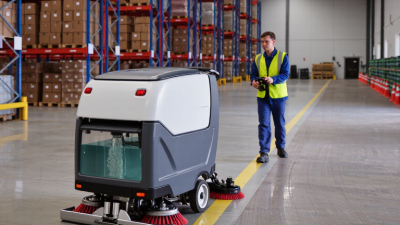
A Warehouse Floor Scrubber is used to remove dust, tracked-in grit, spills, and oily residue from large indoor floors. It applies cleaning solution, agitates the surface with brushes or pads, and collects the dirty water in one pass. The result is more than a brighter floor. In busy facilities, regular scrubbing can help reduce slippery residue and keep debris from spreading into work areas.

Cleaning expert Dr. Michael Berry has written about the connection between effective cleaning and healthier indoor environments. A practical paraphrase of that principle is: “Cleaning should remove unwanted soil, not simply make a surface look clean.” This is not a verbatim quotation. For warehouse teams, the distinction matters. A floor may look spotless under bright lights while fine dust remains near rack legs or dock doors.

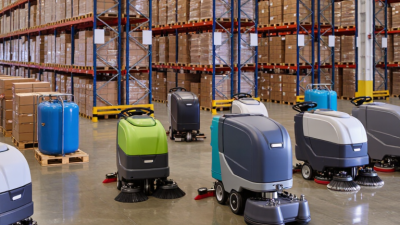
Scrubber choice depends on the site. A compact walk-behind machine may suit narrow aisles, while a ride-on unit can cover broad concrete lanes faster. Water recovery matters, too. Wet tracks left behind can create a problem of their own. Operators should match brush pressure and cleaning solution to the floor finish, then check edges and corners by hand. That step is easy to overlook. Even a well-maintained machine cannot reach every tight spot, and results vary with soil, traffic, and operator technique.
What Is a Warehouse Floor Scrubber Used For?

What a Warehouse Floor Scrubber Is

What Is a Warehouse Floor Scrubber Used For?

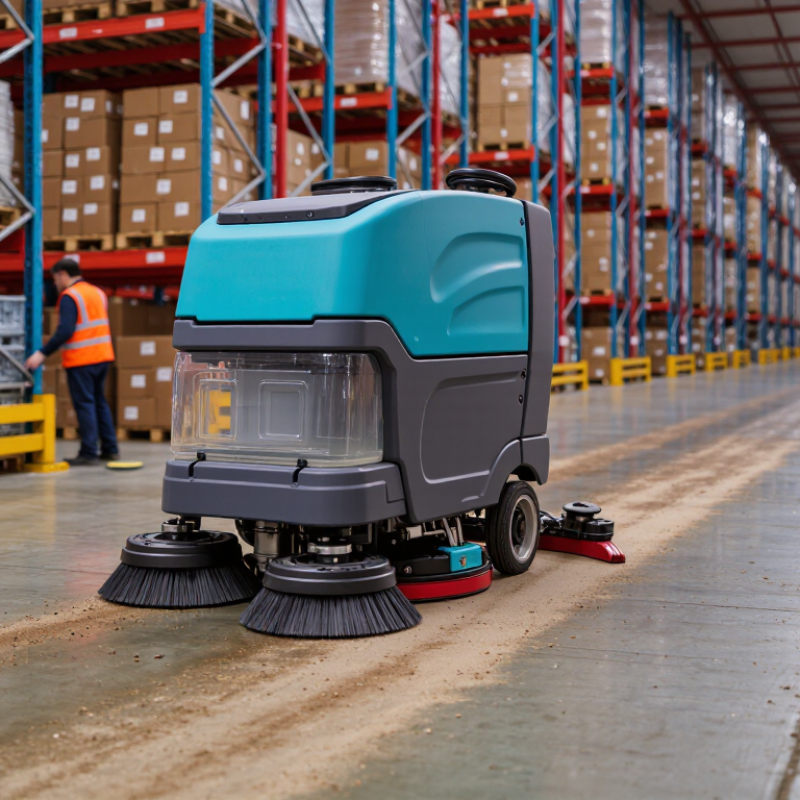
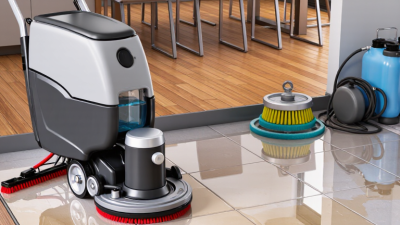
A warehouse floor scrubber is a powered machine that washes hard floors and collects dirty water in one pass. Its brushes or pads loosen grime, while a squeegee and vacuum system recover the solution. The result is a cleaner, drier surface than a mop may leave behind. In a warehouse, that can mean sealed concrete with less dust, tire residue, and tracked-in dirt along aisles and loading areas.

It is practical equipment. Operators use walk-behind models in tighter spaces and ride-on models across larger floor areas. The U.S. Bureau of Labor Statistics recorded 450,540 nonfatal workplace cases involving days away, restricted work, or job transfer from falls, slips, and trips in 2022. That figure covers workplaces broadly, not warehouse floors alone, but it shows why floor condition deserves attention. A scrubber can help manage routine soil; it does not guarantee slip-free floors.

The overlooked detail is recovery. If the machine leaves excess water, the freshly cleaned path may still be hazardous. Operators need to match the brush, cleaning solution, and speed to the floor and soil. Not every mark will lift. Damaged concrete and spills needing immediate attention require other action, too.
How a Warehouse Floor Scrubber Cleans

What Is a Warehouse Floor Scrubber Used For?

How a Warehouse Floor Scrubber Cleans

A warehouse floor scrubber cleans by applying water and cleaning solution, loosening soil with brushes or pads, then recovering the dirty liquid. Loose pallet chips, stretch-wrap scraps, and grit should be swept away first. Otherwise, debris may obstruct the pickup system or leave marks under the brushes. Small details matter.

The operator adjusts the water flow and brush pressure to suit the floor and the type of soil. Too much solution can leave a slippery film; too little may not loosen dried spills.

As the machine moves forward, its brushes agitate the damp floor while a rear squeegee directs the used water toward a vacuum pickup. The liquid collects in a recovery tank instead of being spread across the next aisle. Overlapping passes help avoid missed strips, especially near racking and dock doors.

Slow down near tight turns. A scrubber cannot reach every corner, and stubborn marks may need spot treatment or another pass. The result also depends on clean squeegee blades and an emptied tank; otherwise, the machine can leave streaks or a damp trail. Not quite perfect. That is worth checking before the aisle reopens.

Which Warehouse Floors It Can Clean

A warehouse floor scrubber can clean sealed concrete, polished concrete, epoxy-coated floors, terrazzo, and many ceramic or vinyl surfaces. The right brush or pad matters: a soft pad suits smoother finishes, while a compatible brush can lift grime from textured concrete. Check the floor maker’s care guidance before choosing a detergent or pad. Not every finish. Unsealed concrete can absorb water, and worn coatings may be damaged by aggressive scrubbing. That distinction is easy to miss during a rushed shift.

Floor cleaning also supports safer movement, though a scrubber alone cannot prevent falls. The U.S. Bureau of Labor Statistics reported 450,540 nonfatal workplace cases involving days away, restriction, or transfer from falls, slips, and trips in 2022. This figure covers many causes, not just dirty floors, but it shows why residue and standing water deserve attention. Test a small area first, especially on polished or coated floors.

Tips: Match the pad to the floor, use only the recommended solution, and check the surface while it dries. Watch for dull patches, peeling coating, or water lingering in joints. If the floor’s finish is unknown, pause and verify compatibility; guessing can cost more than a careful test.

What Is a Warehouse Floor Scrubber Used For?

Floor scrubbers clean large hard-floor areas by applying cleaning solution, scrubbing away soil, and recovering dirty water. The chart shows typical suitability for common warehouse floor surfaces.

Suitability ratings are general guidance, not measured performance data. Results depend on the floor’s condition, finish, cleaning pads, and machine settings. Check the flooring and equipment manufacturers’ recommendations before cleaning.

What Tasks Warehouse Floor Scrubbers Perform

What Is a Warehouse Floor Scrubber Used For?

What Tasks Warehouse Floor Scrubbers Perform

A warehouse floor scrubber removes dust, tracked-in grit, light oil, and other routine soil from concrete or coated floors. It applies cleaning solution, loosens residue with a brush or pad, then vacuums up the dirty water. The result is a cleaner, faster-drying travel lane for forklifts and foot traffic. Details matter.

Scrubbers also support repeatable maintenance across loading bays, picking aisles, and staging zones. Operators can clean around pallet racks and dock edges, though tight corners may still need a hand tool. The U.S. Bureau of Labor Statistics reported 2.6 million nonfatal workplace injuries and illnesses in private industry in 2023. That figure is not specific to floor cleaning, but it underscores why clear, well-maintained walking surfaces deserve attention. A scrubber helps manage routine soil; it cannot repair damaged concrete or guarantee slip-free floors. Not every stain lifts.

Tips: Sweep up loose debris before scrubbing to reduce streaks and protect the machine’s pickup system. Match the brush or pad and solution to the floor finish, then check the recovery tank and squeegee during the shift. Record missed patches, too. A rushed pass can look clean from the doorway while leaving gritty wheel tracks behind.

How Scrubbers Support Warehouse Safety and Operations

A warehouse floor scrubber removes dust, tracked-in grit, and spills from concrete aisles and loading areas. It applies cleaning solution, uses rotating brushes or pads to loosen soil, then collects the dirty water. A dry recovery pass matters: leftover moisture can make smooth floors slippery, especially near dock doors or freezer entrances.

That supports safer movement for workers, pallet jacks, and forklifts. Clearer floors can also make cracks, dropped packaging, and small leaks easier to spot. The operational benefit is practical. Less residue means fewer interruptions for spot cleaning and less grime transferred onto goods or equipment. Still, a scrubber does not replace prompt spill response or routine inspections. Operators need to match the pad, solution, and water level to the floor, and avoid busy traffic periods. Cones or temporary barriers help protect people while a lane dries. The routine is rarely perfect; tight corners and crowded aisles can be missed. Reviewing those areas after a cleaning pass helps keep the schedule realistic.

What Is a Warehouse Floor Scrubber Used For? — How Scrubbers Support Warehouse Safety and Operations
Warehouse Need How a Floor Scrubber Is Used Safety and Operational Benefit Practical Consideration
Routine floor cleaning Applies cleaning solution, agitates the floor with brushes or pads, and collects the resulting dirty water. Helps maintain cleaner aisles and work areas while reducing the need for repeated manual mopping. Choose brushes or pads suited to the floor material and the type of soil present.
Dust and tracked-in soil Removes fine dirt and residue from hard, scrub-compatible surfaces during scheduled cleaning. Cleaner floors can reduce the accumulation of debris that may contribute to slips or interfere with warehouse work. Sweep or pick up larger debris first; a floor scrubber is not a replacement for bulk-debris removal.
Spills and floor residue Can clean suitable non-hazardous spills and residue when operated with the appropriate cleaning method. Supports prompt floor care and can help keep travel paths in usable condition. Follow site spill procedures. Do not use a standard scrubber for hazardous, flammable, or otherwise unsuitable materials.
Slip-risk management Uses a recovery system to pick up cleaning solution and loosened soil from the floor. Effective liquid recovery helps avoid leaving unnecessary standing water behind. Mark or restrict the work area as needed, inspect the floor after cleaning, and allow it to dry before normal traffic resumes.
Busy aisles and travel routes Provides a repeatable way to clean designated routes, staging areas, and other open floor sections. Planned cleaning can support orderly movement of people and equipment through the facility. Schedule work around warehouse traffic and maintain clearances from pedestrians, forklifts, and stored goods.
Large floor areas Walk-behind or ride-on machines clean broader areas than a mop alone, depending on the model and site layout. Mechanized cleaning can make routine floor care more consistent across a large facility. Match machine size and turning space to aisle width, floor layout, and operator training.
Floor maintenance planning Runs on a regular route or schedule, with solution tanks, recovery tanks, brushes, and squeegees checked as required. Routine inspection and cleaning help teams identify maintenance needs before they disrupt floor-care work. Follow the equipment instructions and site procedures for filling, emptying, cleaning, charging, and storage.