Inquiry
Form loading...

Top 10 Auto Floor Cleaning Machine Manufacturers in China

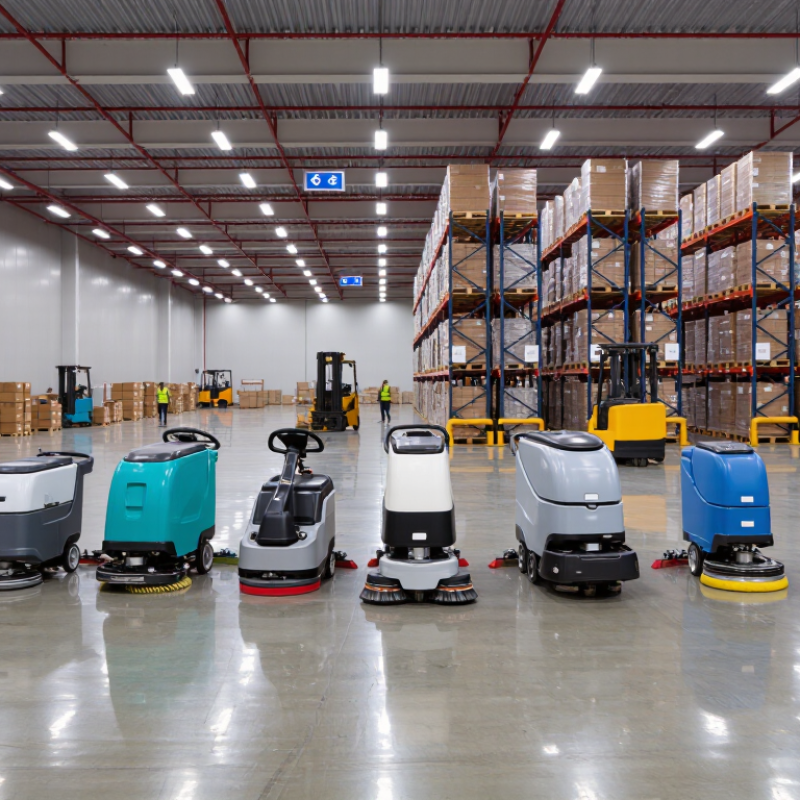
China has become an important sourcing base for commercial floor-cleaning equipment, including scrubber dryers, sweepers, and autonomous machines. This guide introduces ten Chinese manufacturers of Auto Floor Cleaning Machine products, with attention to their product ranges, manufacturing focus, and suitability for different facilities. A busy warehouse needs more than polished specifications. Buyers should consider aisle width, floor type, water capacity, battery runtime, service access, and the availability of replacement brushes and squeegees.

Quality-management expert W. Edwards Deming said, “Quality is everyone’s responsibility.” That principle matters here: dependable cleaning depends on design, component selection, assembly, and after-sales support. Company catalogs and public product information can help compare options, but they do not replace a site trial or direct questions about maintenance and spare parts. Small details count. A tight turning radius may save time between shelving; a difficult-to-reach filter may add work every shift.

No ranking is perfect. Product lines change, and published specifications may not tell the whole story. This overview is a starting point, not a substitute for checking current models, certifications, warranty terms, and service coverage with each supplier. The right machine is not always the most advanced one. It is the one that consistently fits the floor, workload, operators, and budget. That sounds obvious, yet it is easy to overlook.
Top 10 Auto Floor Cleaning Machine Manufacturers in China

How Auto Floor Cleaning Machines Support Vehicle-Care Operations

Vehicle-care operations face a steady mix of water, dust, tire marks, and fine grit. A damp floor can become slippery near wash areas or vehicle lifts. Automatic floor cleaning machines help remove routine soil while keeping walkways clearer between service tasks. This can support safer movement for staff and reduce dirt tracked into customer areas. This helps.

In service bays, operators can schedule cleaning during quieter periods, then guide the machine along open lanes. A model with suitable brush pressure and recovery capacity can handle everyday residue without leaving excessive water behind. At entrances, frequent passes may control grit before it reaches inspection zones. The edges still need attention. Corners, cables, and tight spaces often require manual work, even when the main floor is cleaned consistently.

Machine selection should reflect floor material, aisle width, drainage, and the amount of daily traffic. Staff should also check how easily tanks can be emptied and brushes cleaned after use. A machine that is difficult to maintain may sit idle, which is an overlooked operational risk. Cleaning results depend on correct settings and regular upkeep, not equipment alone. A missed spill or blocked squeegee can leave a wet strip where people least expect it.
Key Criteria for Evaluating Chinese Manufacturers

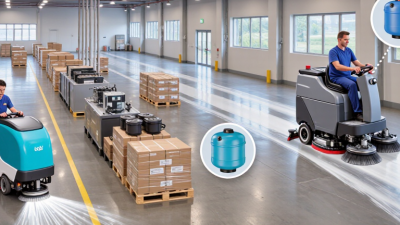
Choosing a Chinese auto floor cleaning machine manufacturer takes more than comparing brochure prices. Start with the machine’s intended setting. Warehouse aisles, retail floors, and compact workshops need different cleaning widths, turning clearance, and water capacity. Ask for measured cleaning width, runtime under load, recovery-tank volume, and noise data. Check whether the figures come from repeatable tests or estimates. That distinction matters. Request a demonstration on a floor similar to yours, including a tight turn around a pallet and a pass over dried marks. Watch how much water remains behind. Small details count.

Evaluate build quality through accessible filters, replaceable batteries, and clear maintenance instructions. Ask which wear parts are stocked nearby and how quickly they can be shipped. Vague answers deserve follow-up. Review English documentation, operator training, warranty coverage, and fault-handling procedures. A polished sample machine is not enough. Compare references from buyers with similar shift lengths, and verify the model and purchase dates. If possible, inspect several units from one production batch. Even careful checks can miss issues. I would still allow time for a trial, because real floors can expose weaknesses that factory demonstrations may not.

Profiles of 10 Leading Auto Floor Cleaning Machine Manufacturers in China

China’s auto floor-cleaning machine market serves warehouses, retail spaces, factories, and other large facilities. A useful manufacturer profile should explain product fit, cleaning capacity, and service support. Look beyond polished catalog photos. Small details matter: brush width, recovery-tank access, and how easily an operator can inspect filters.

A name-free comparison of ten leading manufacturers can focus on their capabilities, not unsupported sales rankings. Profiles may cover compact walk-behind scrubbers, ride-on machines, and sweep-scrub combinations. Other useful areas include warehouse models, retail-floor units, battery endurance, water recovery, sensor controls, custom configurations, and replacement-part support. Check how specifications match real tasks, such as cleaning a narrow aisle or covering a broad concrete floor. These are comparison points, not claims about specific companies. That distinction is less decisive, but more reliable.

Tips: Ask for a machine demonstration on your actual floor. Confirm runtime, cleaning width, and service response in writing. A brochure may not show the whole picture.

Top 10 Auto Floor Cleaning Machine Manufacturers in China - Profiles of 10 Leading Auto Floor Cleaning Machine Manufacturers in China

Note: No source material was provided to verify or rank individual manufacturers. To avoid inventing company-specific facts, the entries below are anonymous product-profile categories, not verified manufacturer profiles. Confirm specifications and credentials directly with suppliers.

Profile Product Segment Typical Application Specifications to Verify Supplier Evidence to Request
01 Walk-behind scrubber-dryer Small and medium indoor floors Cleaning path, tank capacity, battery type, runtime, turning radius Product datasheet, operating manual, warranty terms
02 Ride-on scrubber-dryer Large warehouses and commercial facilities Theoretical cleaning productivity, tank volume, gradeability, charging time Test report, battery specifications, spare-parts list
03 Compact floor scrubber Retail aisles, offices, and constrained spaces Machine width, brush dimensions, noise level, maneuverability Dimensions drawing, noise test method, sample-use demonstration
04 Industrial heavy-duty scrubber Factories and demanding hard-floor environments Brush pressure, debris handling, duty cycle, component protection Load and endurance test records, component documentation
05 Autonomous floor scrubber Facilities with repeatable cleaning routes Navigation method, obstacle detection, mapping, safety functions Safety documentation, site-trial results, software support policy
06 Floor sweeper-scrubber combination Sites requiring debris collection and wet cleaning Sweeping width, dust-control method, hopper capacity, water recovery Machine configuration sheet, filter details, maintenance schedule
07 Single-disc floor cleaning machine Scrubbing, polishing, and surface maintenance Operating speed, pad diameter, motor rating, accessory compatibility Electrical specifications, accessory catalogue, user manual
08 Carpet extractor / carpet cleaning machine Carpeted commercial interiors Solution and recovery capacity, vacuum performance, hose length Cleaning-method guidance, test procedure, consumables list
09 Outdoor sweeper Paved yards, car parks, and outdoor walkways Sweeping width, hopper volume, filtration, slope capability Outdoor-use specifications, filtration details, service procedures
10 Custom or OEM floor-cleaning equipment Projects requiring tailored configurations or private labeling Customization scope, minimum order quantity, lead time, change control Factory audit records, quality-control plan, sample approval process

Products and Technologies Offered by the Top 10 Manufacturers

China’s leading auto floor-cleaning machine manufacturers generally offer walk-behind scrubbers, ride-on units, sweepers, and compact machines for narrow aisles. Product ranges often cover warehouses, factories, shopping centers, and parking areas. Brush decks may use disc or cylindrical designs, while adjustable pressure helps tackle light dust or dried marks. Water tanks, squeegees, and recovery systems are matched to different floor sizes. Details matter.

Many manufacturers also supply lithium-battery models, onboard water dosing, and filtration to limit dust during sweeping. Some newer machines use sensors and route-planning software for autonomous cleaning, though performance depends on floor layout and obstacle density. Control panels may display battery status, water levels, and maintenance alerts. Useful, but not magic. Buyers should compare cleaning width, runtime, noise, and service access against actual site conditions; advertised coverage rates rarely reflect every turn, refill, or interruption. A model that performs well on a clear showroom floor may struggle around pallet edges or uneven joints. That gap deserves attention. Spare brushes, squeegee blades, and battery support can matter as much as automation features over years of daily use.

Floor-Cleaning Machine Types and Their Core Process Stages

A product-and-technology overview of common commercial floor-cleaning machines. Bars count the basic process stages described for each machine type; they do not represent market share or manufacturer rankings.

How to Compare Suppliers for Quality, Service, and Export Readiness

When comparing auto floor cleaning machine manufacturers in China, start with repeatable performance, not catalog claims. Ask suppliers to clean the same floor area under identical conditions. Record cleaning width, water use, noise, battery runtime, and leftover moisture. Request dated test logs and inspect welds, hose connections, and recovery tanks. Small details matter. A polished demonstration may not reflect a full production shift.

Check service capacity as carefully as machine quality. Ask for spare-parts lists, warranty terms, troubleshooting response times, and training materials in clear English. The World Bank’s 2023 Logistics Performance Index covers 139 economies and measures six areas, including customs, shipment tracking, and timeliness. It assesses national logistics, not individual factories; use it as export context, not proof of a supplier’s reliability. Request sample shipping documents and confirm packaging dimensions, loading plans, and replacement-part availability. Even a careful audit can miss weaknesses. That deserves a second look.

Tips: Run a pilot before ordering in volume. Test the machine on your actual floor, with your cleaning solution and shift length. Ask one awkward question: what commonly fails after six months? The answer may reveal more than a brochure.