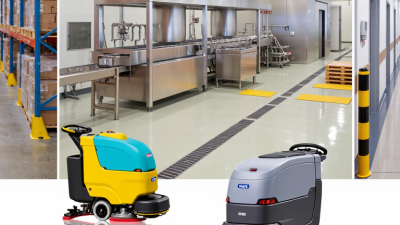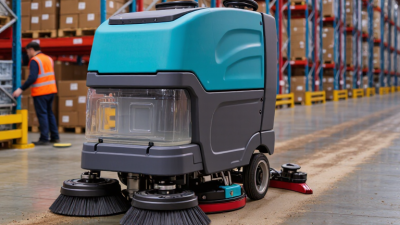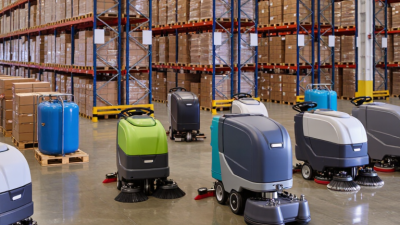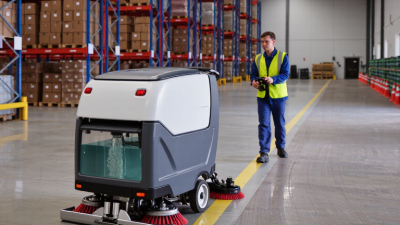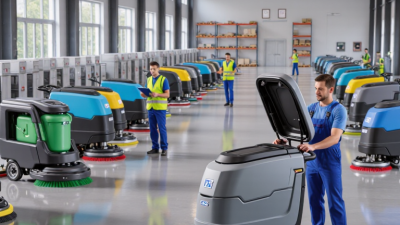
Choosing among China’s industrial cleaning equipment suppliers requires more than comparing prices. An Industrial Floor Scrubber must match the floor, soil type, cleaning schedule, and available operators. A compact walk-behind unit may suit narrow aisles, while a ride-on machine can cover broader warehouse lanes. The right choice depends on the site, not just the product brochure.
China has a wide range of manufacturers, from specialist equipment makers to larger factories offering several cleaning machines. Their products can differ in brush pressure, tank capacity, battery options, noise levels, and ease of maintenance. Look beyond headline specifications. Ask for clear model details, operating instructions, warranty terms, and evidence of quality checks. A specification sheet can look complete and still leave practical questions unanswered. That gap matters.
This article explores how to assess manufacturers and compare their machines for real working conditions. Useful checks include whether the supplier can explain expected cleaning coverage, provide replacement parts, and support buyers after delivery. Request a demonstration or sample cleaning test when possible. Watch how the scrubber handles corners, door thresholds, and a visibly dirty floor. Small details count. Buyers should also confirm that documents and certifications are relevant to their intended market, rather than assuming every model meets every requirement. No single manufacturer is best for every facility. A careful comparison can narrow the field, but some uncertainty remains until equipment is tested on site.
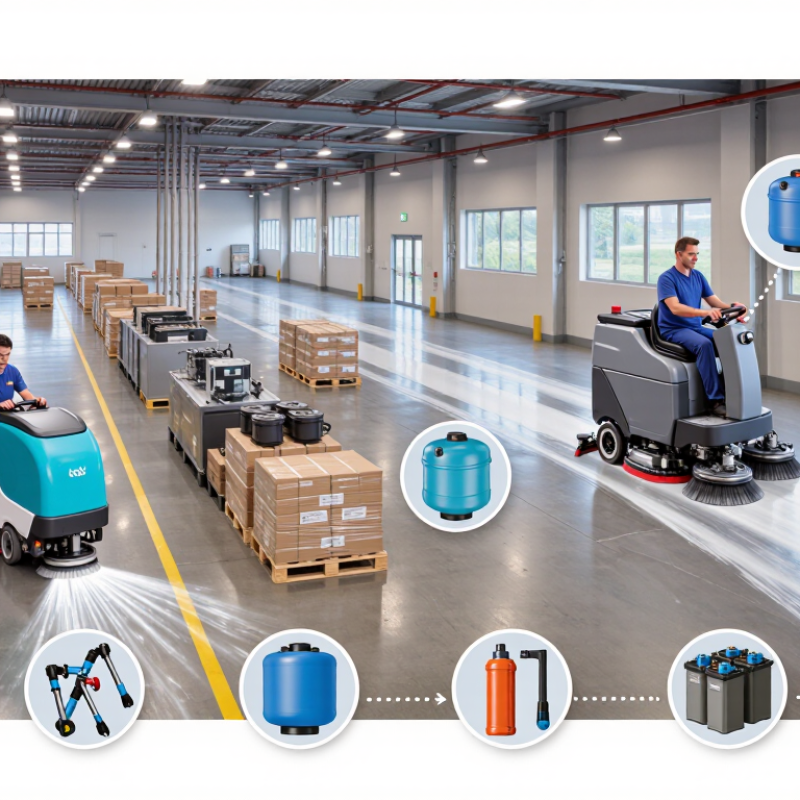
A Chinese industrial floor scrubber manufacturer is defined by more than its production volume. It should understand how machines perform in warehouses, workshops, and other demanding spaces. That knowledge shows in practical choices: brush pressure, tank capacity, turning radius, and battery access. Details matter. A narrow aisle may expose poor maneuverability, while a poorly sealed recovery tank can leave water behind.
Reliable manufacturers document how they test machines before shipment. Ask about cleaning trials, electrical checks, noise measurements, and inspection records. A useful trial should reflect the floor type and soil level the machine will actually face. One polished demonstration is not enough. Look for clear specifications, consistent parts sourcing, and technicians who can explain maintenance without relying on vague promises. Spare brushes, squeegees, and batteries should be available through a dependable support process. Custom options can help, but they may add cost or complicate repairs. No production line is perfect; a manufacturer’s response to defects and feedback matters too. Be willing to question assumptions, including your own. A larger machine is not always the better choice.
What Defines an Industrial Floor Scrubber Manufacturer in China? Cleaning width and travel speed help describe a scrubber’s potential coverage. The chart shows theoretical productivity calculated as cleaning width × travel speed. It is not a measured output or a manufacturer-specific claim; actual productivity is lower due to turns, overlap, refilling, and site conditions.
China Best Industrial Floor Scrubber Manufacturers?
How to Evaluate Chinese Floor Scrubber Manufacturers
Evaluate each manufacturer against the floors, shifts, and cleaning chemicals at your site. Ask for brush pressure, clean- and recovery-tank capacity, turning radius, and battery runtime under working conditions. Rated coverage figures need context. A machine tested on smooth concrete may perform differently on oily, uneven floors. Arrange a practical trial where possible, and record water pickup, missed edges, noise, and charging time. Details matter.
Check how the factory controls assembly and tracks key components, such as batteries, motors, and controllers. Request current manuals, wiring diagrams, inspection records, and clear warranty terms. Ask how quickly common wear parts can be supplied, and whether replacement parts fit older models. A polished showroom is not proof of consistent production. Compare documented evidence with the actual machine and its serial details. It is easy to focus on the quoted price; freight, consumables, downtime, and service access can change the real cost. Some buyers may still accept a less convenient support arrangement to meet a budget, but that trade-off deserves an honest review.
China’s industrial floor scrubber manufacturers often specialize by machine size and operating environment. Compact walk-behind models suit workshops, storage rooms, and narrow aisles. Their smaller turning radius helps operators clean around shelving and floor drains. Larger ride-on scrubbers target factories, logistics centers, and other broad spaces. Wider cleaning paths can reduce repeated passes, though they need room to maneuver.
Some manufacturers focus on practical customization. They may offer different brush types, squeegee widths, battery capacities, and water-tank sizes. These choices matter on concrete floors with oil marks, or in facilities where quiet operation is preferred. A few suppliers also develop autonomous scrubbers for predictable routes. Such systems still need clear operating zones and careful setup. Automation is not magic.
Product specialty alone does not show whether a supplier is reliable. Buyers should review test procedures, replacement-part availability, operator training, and service response times. Ask for cleaning results on a floor similar to yours, not only a showroom demonstration. Check how easily staff can remove the recovery tank or replace a worn squeegee blade. Small details matter. Specifications can look impressive, yet a machine may be awkward during a full shift. That part is easy to overlook.
A product-focused comparison of common Chinese industrial floor scrubber manufacturing specialties. Company names and brands are intentionally omitted.
| Manufacturer Profile | Typical Product Specialty | Common Design Features | Suitable Applications | Useful Procurement Checks |
|---|---|---|---|---|
| Large-facility equipment producers | Ride-on automatic scrubber-dryers for cleaning broad indoor floor areas. | Operator seating, solution and recovery tanks, powered brush systems, and onboard squeegees for collecting dirty water. | Warehouses, distribution centers, factories, and large retail facilities. | Compare cleaning width, tank capacity, battery type, turning radius, and access to local parts and service. |
| Compact commercial cleaning equipment producers | Walk-behind scrubber-dryers designed for smaller or more congested floor areas. | Manual steering, compact chassis, scrub brushes or pads, and a rear squeegee assembly. | Workshops, corridors, supermarkets, schools, and medium-sized commercial premises. | Check machine dimensions, brush availability, noise information, battery run time, and suitability for the floor surface. |
| Heavy-duty industrial equipment producers | Robust scrubber-dryers configured for frequent use in demanding industrial environments. | Heavy-duty frames and components, larger working widths, and options intended for extended operating shifts. | Manufacturing plants, logistics facilities, and other sites with large hard-floor areas. | Ask for rated operating conditions, service intervals, component specifications, and documented test or compliance information. |
| Multi-surface cleaning equipment producers | Scrubbers with disc or cylindrical brush configurations, depending on the model and cleaning task. | Disc brushes or pads are used for general scrubbing; cylindrical brushes can also collect some loose debris while scrubbing. | Facilities with smooth hard floors, textured surfaces, or mixed cleaning requirements. | Confirm floor compatibility, brush or pad options, debris-handling limits, and the recommended cleaning procedure. |
| Compact and maneuverable equipment producers | Small-footprint walk-behind machines intended for tight spaces and frequent maneuvering. | Narrow cleaning paths, compact tanks, and a design intended to navigate around fixtures and confined areas. | Small workshops, kitchens, narrow aisles, and facilities with limited storage space. | Check machine width, turning clearance, recovery performance, charging requirements, and storage dimensions. |
| OEM and export-oriented equipment producers | Private-label or configurable scrubber-dryer models supplied for distributor and export markets. | Model options may include different brushes, batteries, chargers, control layouts, or documentation packages. | Importers, distributors, facility-service contractors, and buyers managing multi-site fleets. | Verify the exact bill of materials, applicable certifications, manuals, warranty terms, spare-parts availability, and after-sales responsibilities. |
Note: These are general product categories and commonly available design features, not a verified ranking or a list of specific manufacturers. Specifications and options vary by model; confirm technical details directly with the supplier before purchase.
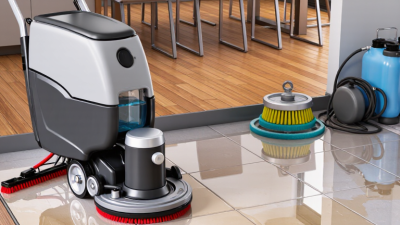
Industrial floor scrubbers combine mechanical cleaning with controlled water recovery. Core systems include a rotating brush or pad, solution tank, squeegee, and vacuum motor. Brush pressure matters: too little can leave oily marks, while too much may wear coatings and drain the battery. On a concrete aisle, operators may need a different pad and water setting than on sealed tile. Small details count.
Modern machines often use electronically controlled pumps to meter solution according to travel speed. This can limit puddles and reduce unnecessary water use, though settings still need adjustment for the floor and soil. Brush motors may offer pressure modes, while sensors monitor tank levels, battery charge, or stalled brushes. These alerts help crews spot issues early. Sensors are not magic.
Battery management is another key technology. Lithium-ion systems can support opportunity charging, while lead-acid units may need longer charging and specific care. Vacuum airflow and squeegee design affect how much water remains behind; a weak seal can leave a wet strip near a wall. Test equipment on representative flooring, comparing water pickup, runtime, and edge cleaning. A specification sheet cannot show every awkward corner. It is easy to overvalue electronics: a well-maintained basic machine can outperform an advanced unit with poor settings.
Choosing an industrial floor scrubber manufacturer starts with your actual site, not a catalogue. Measure aisle widths, note floor materials, and estimate the area cleaned per shift. A compact walk-behind unit may suit narrow stockrooms, while large warehouses often need ride-on capacity. Check tank size, brush pressure, battery runtime, and noise against your working hours. Numbers matter. Ask whether performance data comes from floors like yours, not just ideal test conditions.
Tips: Share a simple floor plan and photos with shortlisted manufacturers. Ask for a demonstration on your own surface. Watch how quickly the machine turns, picks up water, and handles tight corners.
Look beyond the purchase price. Confirm spare-part availability, operator training, warranty coverage, and typical service response times in your region. Ask what routine maintenance involves, including brush changes and battery care. A polished brochure may not reveal how a machine performs after a full shift. I would compare at least two models under similar conditions; otherwise, the decision can rest too heavily on specifications. That is easy to regret. Check whether the manufacturer can explain trade-offs clearly and provide written operating and maintenance guidance.