Inquiry
Form loading...
China’s hard-floor equipment sector is changing quickly, shaped by automation, labor shortages, and stricter hygiene expectations. Grand View Research’s Floor Cleaning Machines Market report identifies commercial cleaning equipment as a growing global segment, supported by demand from offices, hospitals, warehouses, and retail facilities. MarketsandMarkets also highlights rising interest in autonomous scrubbers, battery-powered systems, and data-enabled maintenance.
The numbers matter. So does the floor beneath them.
A Hard Floor Cleaner Machine must remove soil without leaving excess water, chemical residue, or visible streaks. Buyers should examine brush pressure, recovery-tank capacity, noise levels, battery life, and after-sales support. Product demonstrations are more reliable than attractive brochures. A machine that performs well on polished concrete may struggle on textured porcelain or heavily soiled warehouse floors.
Stephen Ashkin, a recognized cleaning-industry sustainability expert, has said, “Cleaning is the foundation of a healthy indoor environment.” His observation supports a broader evaluation: cleaning machines affect worker safety, indoor hygiene, water consumption, and operational costs. However, industry reports often combine different machine categories. Their figures should not be treated as perfectly comparable.
This guide examines China’s top ten Hard Floor Cleaner Machine manufacturers through practical criteria, including manufacturing experience, product range, export capability, certifications, innovation, and service networks. No ranking is completely neutral. Some smaller factories may offer stronger customization than larger brands, while public information can remain limited. That limitation deserves attention. A careful buyer should verify specifications, test recovery performance, inspect spare-parts availability, and request references from similar facilities before making a final decision.
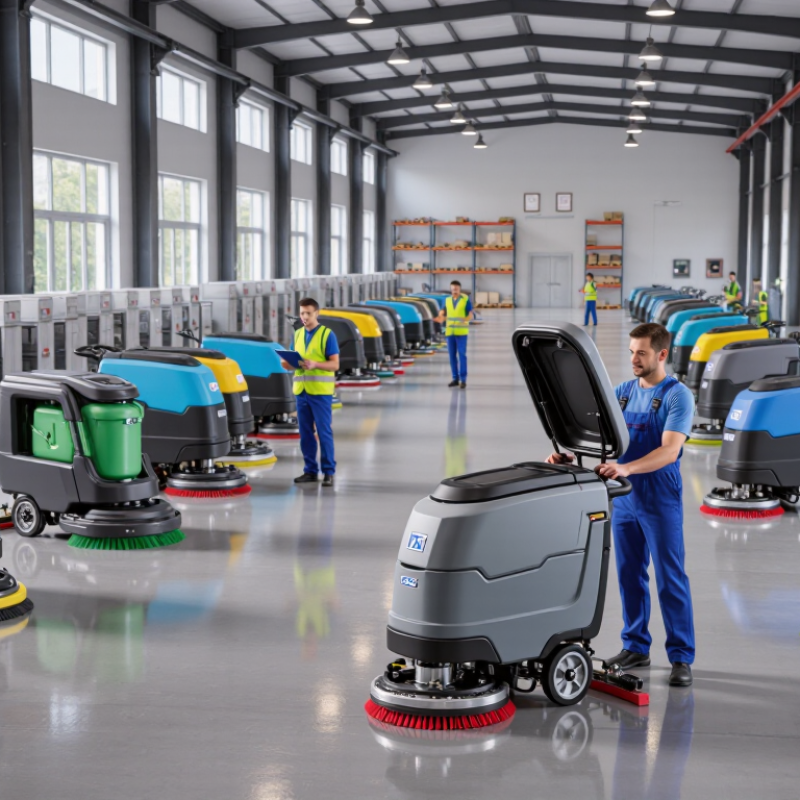
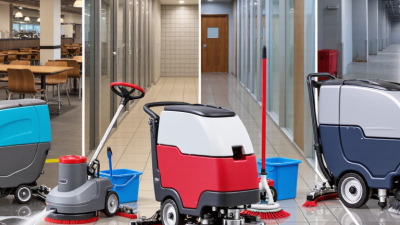
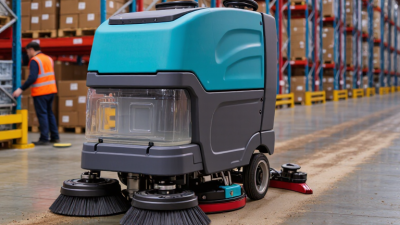
Hard floor cleaner machines are powered or manually guided devices designed to remove dust, marks, and residue from sealed, hard surfaces. Depending on the model, they may sweep, scrub with water and detergent, and recover dirty liquid in one pass. Common components include rotating brushes or pads, a solution tank, a recovery tank, and a suction system. The right setup depends on the floor finish, soil level, and available space.
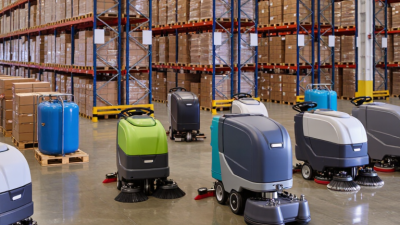
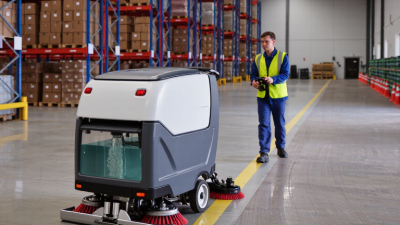
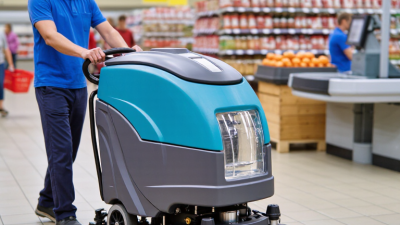
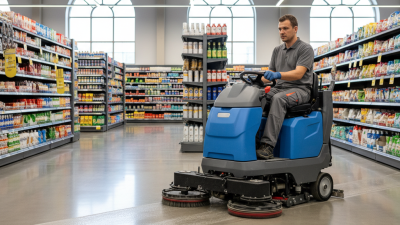
These machines serve warehouses, supermarkets, schools, hospitals, hotels, and other busy buildings. In a supermarket aisle, for example, a compact scrubber can clean around shelving while collecting wastewater before customers return. Larger ride-on units suit broad warehouse floors, where manual mopping would take longer. Some machines work best on tile or concrete; delicate coatings may need softer pads and carefully controlled cleaning solutions. Check the floor maker’s care guidance.
Daily details matter. Operators should clear loose debris, choose a suitable brush, and avoid leaving excess moisture near entrances. Regularly cleaning filters and tanks can help maintain performance. It sounds simple. Still, results vary with training and floor condition, and a machine cannot repair worn grout or remove every old stain. That limitation is easy to overlook.
An overview of ten common hard-floor cleaning and maintenance machine types, their operating methods, suitable surfaces, and typical uses.
| Machine Type | How It Works | Commonly Suitable Surfaces | Main Applications | Operational Considerations |
|---|---|---|---|---|
| Walk-Behind Scrubber-Dryer | Applies cleaning solution, scrubs with a brush or pad, and collects dirty water with a squeegee and vacuum system. | Many sealed, non-carpeted floors, subject to the floor and machine instructions. | Routine cleaning in shops, schools, corridors, and medium-sized commercial areas. | Choose brush or pad aggressiveness for the surface; allow for tank filling, emptying, and battery charging. |
| Ride-On Scrubber-Dryer | Combines mechanical scrubbing and water recovery with an operator seat for larger floor areas. | Large expanses of compatible sealed hard flooring. | Warehouses, distribution centers, airports, and large retail or industrial facilities. | Requires suitably wide, accessible routes, trained operators, and space for turning and storage. |
| Compact Scrubber-Dryer | Uses a small scrubbing head and recovery system to clean areas that are difficult to reach with larger machines. | Compatible hard floors in confined or furnished spaces. | Small shops, washrooms, kitchens, narrow aisles, and areas around fixtures. | Smaller tanks generally mean more frequent refilling and emptying than on larger scrubbers. |
| Single-Disc Rotary Floor Machine | Rotates a brush or pad to scrub, strip, or polish a floor, depending on the attachment and cleaning process. | Floor types compatible with the selected brush, pad, and treatment. | Periodic deep cleaning, finish removal, and floor-care work in commercial buildings. | Typically does not recover solution by itself; wet cleaning may require a separate recovery step. |
| High-Speed Floor Burnisher | Uses a fast-rotating pad to polish or maintain compatible floor finishes and create a higher-gloss appearance. | Finished floors specifically suitable for the burnishing method and pad. | Appearance maintenance in retail, institutional, and other high-visibility spaces. | Primarily a finish-maintenance machine, not a substitute for removing heavy soil or spills. |
| Orbital or Oscillating Floor Machine | Moves a pad or brush in a rapid oscillating pattern to agitate soil across the contact area. | Compatible resilient and hard floor surfaces, depending on the pad and cleaning procedure. | Scrubbing, detail cleaning, and selected floor-preparation or maintenance tasks. | Pad choice, solution use, and recovery method should match the floor finish and task. |
| Cylindrical-Brush Scrubber | Uses rotating cylindrical brushes to scrub and can collect some loose debris as part of the cleaning pass. | Compatible hard floors, including some textured surfaces where the brush can reach into surface irregularities. | Facilities with tracked-in dirt or textured flooring, such as entrances and service areas. | Brush type and pressure should be checked to avoid damaging sensitive surfaces or finishes. |
| Floor Sweeper | Uses brushes and a debris collection system to remove dry dust and loose solid debris without wet scrubbing. | Dry, accessible hard floors suitable for sweeping. | Pre-sweeping warehouses, car parks, workshops, and large public areas. | Does not wash the floor or collect liquid; wet spills usually need a separate method. |
| Autonomous Robotic Scrubber | Uses programmed routes and onboard sensors to perform automated scrubbing and, on many models, water recovery. | Compatible floors in mapped environments with suitable access and operating conditions. | Scheduled cleaning of repeatable routes in facilities such as offices, retail spaces, and logistics sites. | Needs route setup, obstacle management, routine supervision, and an environment suited to autonomous operation. |
| Steam Floor Cleaner | Uses heated water vapor, usually with a cleaning head or cloth, to loosen soil from suitable surfaces. | Only heat- and moisture-tolerant, sealed hard floors approved for steam cleaning. | Localized cleaning in homes and selected commercial settings where the floor manufacturer permits steam. | Avoid use on moisture- or heat-sensitive floors; always follow the floor and equipment instructions. |
Note: Surface compatibility varies by floor material, finish, condition, pad or brush, and cleaning chemical. Confirm suitability with the flooring and equipment instructions before use.