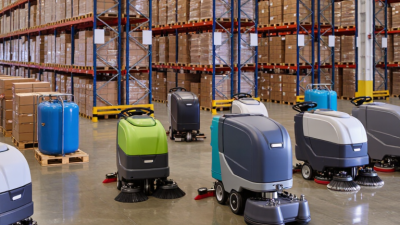
Top Hand Push Floor Cleaning Machine Suppliers in China?
China’s hand-push floor cleaning machine suppliers serve warehouses, supermarkets, hospitals, and smaller commercial sites. Buyers need more than a low quotation. They need equipment that matches floor area, soil type, water access, and daily operating hours. A Grand View Research report on the global floor cleaning machines market tracks demand across machine types and end-use sectors, reflecting a broader shift toward mechanized cleaning. Its findings are useful context, but they do not rank individual Chinese suppliers or verify factory claims. That distinction matters.
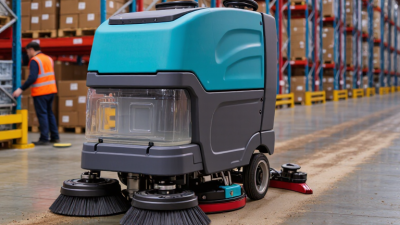
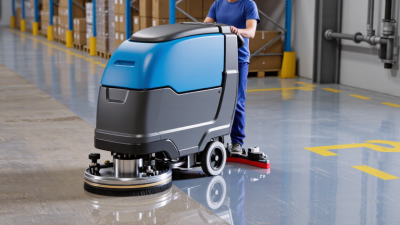
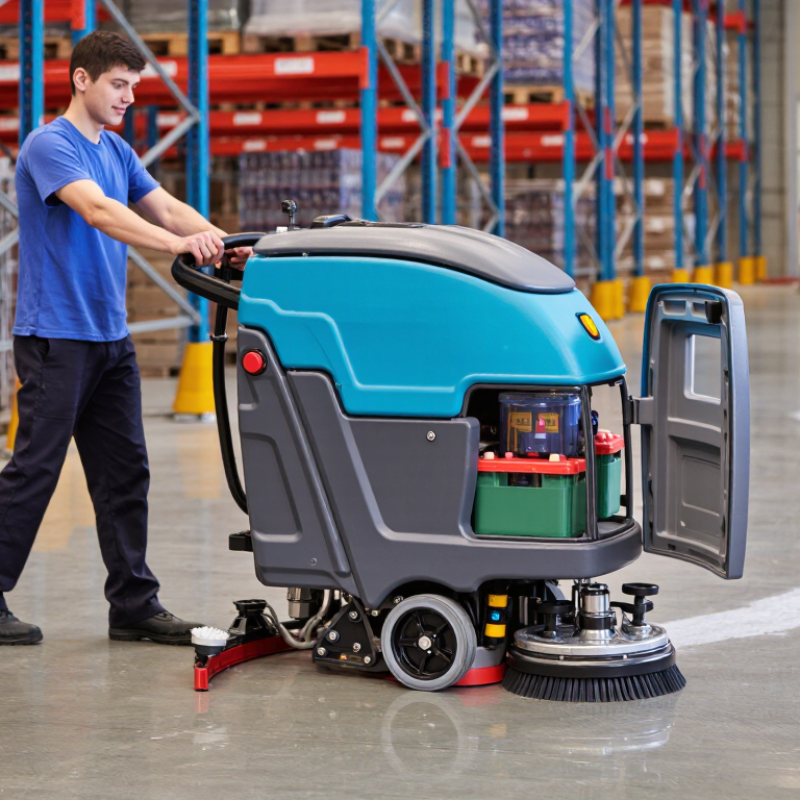
Hand Push Floor Cleaning machines suit sites where compact size and direct operator control matter. Picture a scrubber moving through a narrow aisle, with a visible recovery tank and a squeegee leaving a clean, nearly dry path. Small details count: brush replacement time, tank capacity, battery access, spare-part availability, and the clarity of the operating manual. Environmental hygiene researcher Dr. Michael A. Berry’s work emphasizes that cleaning supports health as well as appearance. This is a paraphrase, not a direct quotation; buyers should verify any quoted expert statement against its original source.
This guide examines leading Chinese suppliers through practical criteria: product range, manufacturing evidence, customization, quality documentation, and after-sales support. Ask for test records and references from comparable facilities. Check whether stated cleaning width and productivity match real operating conditions. A brochure is not proof. Supplier information can also be incomplete, so comparisons should note what could not be independently confirmed. That caution is useful. It keeps the shortlist grounded in evidence, rather than polished product photos alone.
Define Hand-Push Floor Cleaning Machines: Sweepers, Scrubbers, and Key Specs
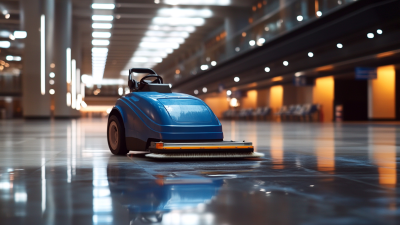
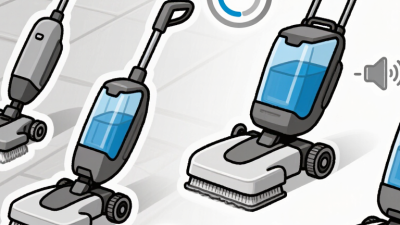
Hand-push floor cleaning machines are guided by an operator and powered manually or by a battery. They generally fall into two groups: sweepers and scrubbers. A sweeper uses brushes to gather dry dust, grit, and small debris into a collection bin. Side brushes help reach edges, though they may scatter fine dust if the brush speed or setting is unsuitable. A scrubber applies water and cleaning solution, agitates the floor with a brush or pad, then collects dirty liquid with a rear squeegee. It is designed for hard floors, not loose debris. Small details matter.
Compare working width, tank capacity, cleaning path, and maneuverability against the site. A wider path can cover open aisles faster, but it may struggle between shelving or around tight corners. For scrubbers, check both clean-water and recovery-tank capacity; a large solution tank is less useful if the recovery tank fills quickly. Brush pressure and pad compatibility affect cleaning performance on different floor surfaces. Battery runtime, charging time, and operating noise also matter during daily shifts. Ask suppliers for test conditions behind stated productivity figures. I would not choose by width alone; that shortcut can mislead. A specification sheet still cannot show how comfortably a machine turns at the end of a narrow aisle.
Compare Theoretical Productivity: Cleaning Width × Travel Speed (m²/h)
When comparing hand-push floor cleaning machine suppliers in China, start with a transparent productivity calculation:
theoretical area per hour equals cleaning width in meters multiplied by travel speed in meters per hour.
A 0.5-meter cleaning path at 3 km/h gives
1,500 m²/h on paper.
Convert kilometers to meters before comparing specifications. Small unit errors distort results.
This figure assumes straight, uninterrupted travel and full-width coverage. Real floors rarely cooperate.
Doorways, shelves, turns, wet patches, and repeated passes reduce output; operator pace also changes during a shift.
I would not treat the result as a promise. Ask suppliers whether the stated width means brush width or effective cleaning path, and what travel speed they used. Even modest overlap lowers covered area.
For a fair comparison, record each machine’s width and stated speed, then check the calculation yourself. Request a timed demonstration on the same floor layout, with similar obstacles and cleaning settings. Note pauses for turning and refilling separately from the theoretical figure.
The gap matters.
A supplier who clearly explains assumptions gives buyers a more useful basis for comparison.
Evaluate Chinese Suppliers by Factory Capacity, Product Range, and Export Markets
When evaluating Chinese suppliers of hand-push floor cleaning machines, look beyond catalog photos. Ask for current production capacity, typical lead times, and the number of units assembled each month. During a factory visit or live video tour, observe the assembly line, parts storage, and finished-machine testing. Small details matter. Check whether operators test water flow, brush rotation, and wheel movement before packing.
Product range can reveal how well a supplier understands different cleaning needs. Compare models by cleaning width, tank capacity, brush type, and suitability for smooth or uneven floors. Ask whether replacement brushes, squeegees, and filters are readily available. Request manuals and maintenance schedules, not just specification sheets. A broad catalog is useful, but it does not prove every model is consistently available. That distinction matters.
Export markets offer clues about logistics experience, though they are not a guarantee of quality. Ask which regions the supplier regularly ships to and whether it can provide sample export documents, packaging details, and realistic shipping timelines. Check how machines are protected against movement inside the carton. References from overseas buyers can help, but verify them where possible. A polished showroom may impress; production records and clear answers are more useful, and sometimes harder to obtain.
Top Hand Push Floor Cleaning Machine Suppliers in China
A practical framework for evaluating Chinese suppliers by factory capacity, product range, export markets, and quality compliance.
The percentages show suggested evaluation weights, not measured supplier rankings or market statistics. Verify capacity with production records, compare product specifications, and confirm export experience and applicable certifications during due diligence.
Verify Quality Systems and Compliance: ISO 9001:2015 and Applicable CE Requirements
Assessing a hand-push floor cleaning machine supplier starts with its quality system, not a certificate displayed on a wall.
Ask for a current ISO 9001:2015 certificate and check that its scope covers the factory and relevant production activities. Confirm the issuing body, validity dates, and whether the site making your machine is included.
Look closer.
Request sample inspection records and corrective-action reports, not just polished brochures.
Production checks should match the machine’s real working parts. Ask how staff inspect the solution tank for leaks, verify brush-deck assembly, and test wheel movement before shipment. Batch or serial-number records can help trace components if a fault appears later. Calibration records matter too, especially for test equipment.
One uncomfortable point:
paperwork may be complete while checks on the line are inconsistent. Compare records with a sample machine and ask who signs each inspection.
CE marking is not a general quality badge.
Confirm which EU requirements apply to the exact machine configuration and intended market, then review the relevant conformity documents. These may include a declaration of conformity, technical documentation, risk assessment, instructions, and product labels. Check that the documents identify the same model and options you plan to buy.
A mismatch is easy to overlook, and it deserves a written explanation before the order is approved.
Compare Tank Capacity, Power, Runtime, Warranty, and After-Sales Service
When comparing hand-push floor cleaning machine suppliers in China, look beyond the advertised tank size. A larger clean-water tank can reduce refill stops, but it also adds weight and may make tight aisles harder to clean. Ask for both clean- and recovery-water capacity. Then check whether the recovery tank is easy to empty and rinse after a shift. Small details matter.
Power and runtime need the same careful check. Request the battery type, charging time, and expected working time under realistic conditions, not just a best-case figure. A machine may run longer on smooth floors than on rough, heavily soiled surfaces. Test it on your own flooring if possible. Watch how well it picks up water near corners and how loud it sounds indoors.
Warranty terms should state coverage periods for the battery, motor, and key components, plus any exclusions. Ask which spare parts are stocked locally, how service requests are handled, and what response time the supplier can commit to. Get these details in writing.
Price still matters, but a low quote can hide costly downtime. One comparison table helps; it will not replace a proper test.