Inquiry
Form loading...

What Are the Best Hand Push Scrubbers in 2026?

Choosing the best hand push scrubber in 2026 depends less on flashy features and more on the floor, workload, and operator. A compact machine may suit narrow aisles, small workshops, or café floors. Larger spaces often benefit from wider cleaning paths and bigger tanks, provided the machine still turns easily around shelving and doorways. The right choice is practical. It should clean consistently without making daily work harder.

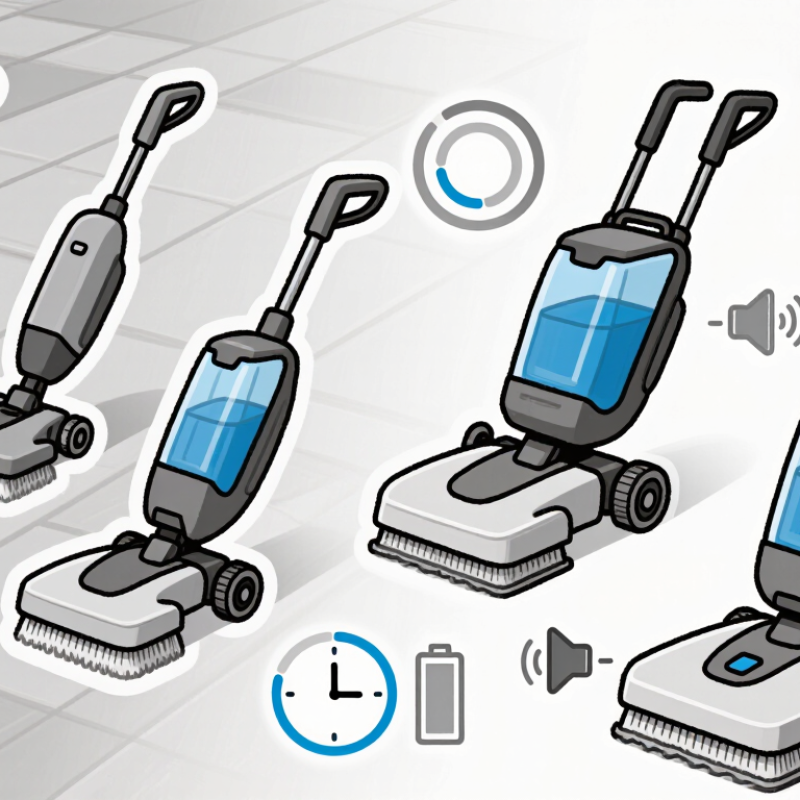
This guide compares Scrubbers Hand Push models through useful factors: brush width, tank capacity, battery runtime, water recovery, noise, maintenance, and parts support. These details matter on a real shift. A tank that needs frequent refilling can interrupt cleaning, while a heavy machine may feel tiring on ramps or tight corners. A wider deck sounds efficient, but it can become awkward in crowded rooms. That trade-off is easy to miss. Not every product listing explains it clearly.

The sections ahead outline where these scrubbers perform well, which features deserve close attention, and how to match a machine to common floor-care needs. We also consider operating costs and routine upkeep, since brushes, squeegees, batteries, and service access affect long-term value. Specifications help, but they cannot predict every result. Floor texture, soil, and operator technique all make a difference. Use the comparisons as a starting point, then check current specifications and local support before buying.
What Are the Best Hand Push Scrubbers in 2026?

What Hand-Push Scrubbers Are and How They Work

What Are the Best Hand Push Scrubbers in 2026?

What Hand-Push Scrubbers Are and How They Work

A hand-push scrubber is a walk-behind machine that cleans hard floors while an operator guides it. Unlike a mop, it usually applies water and cleaning solution through a brush or pad, then collects the dirty liquid with a rear squeegee. Many powered models use a battery or mains electricity for the brush and recovery vacuum; the operator supplies the forward movement. Manual models rely more on physical effort. Check the design before comparing performance.

During a cleaning pass, solution loosens soil beneath the brush, while the squeegee channels wastewater into a recovery tank. Tank size, brush pressure, floor texture, and turning space all affect how smoothly the machine works. A wet film left behind can create a slip hazard, so operators should match the machine to the floor and avoid excessive solution. Small details matter.

The U.S. Bureau of Labor Statistics reported about 2.6 million nonfatal workplace injury and illness cases in private industry in 2023, with a rate of 2.4 cases per 100 full-time workers. These figures cover many causes, not scrubber incidents specifically, but they reinforce the value of careful workplace procedures. In practice, test a machine on a small area first. Results can vary with soil, floor finish, and operator technique. That limitation is easy to overlook.
Key Types of Hand-Push Scrubbers Available in 2026

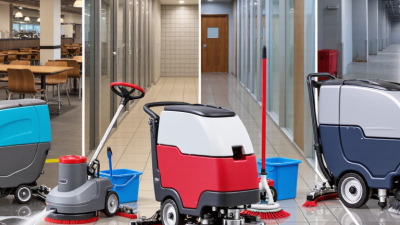
Hand-push scrubbers come in several practical types, and cleaning action matters more than headline power. Manual models use a brush, water tank, and squeegee. They suit small rooms, spot cleaning, and sites without charging access. They are quiet. However, results depend heavily on the operator’s pressure and pace.

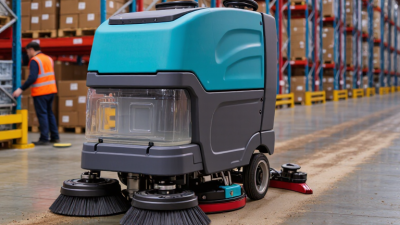
Powered walk-behind scrubbers commonly use rotary disc or cylindrical brushes. Disc heads suit smooth, open floors and routine soil. Cylindrical brushes can collect small debris while scrubbing, making them useful on textured tile or in narrow aisles. Orbital machines use quick, short pad movements for edges and varied surfaces. Pad choice still needs testing against the floor finish. Battery models avoid cords; corded units avoid charging downtime.

Market figures offer context, not a buying decision. Grand View Research’s Floor Cleaning Equipment Market report valued the global market at USD 9.51 billion in 2023. It projected an 8.4% compound annual growth rate from 2024 to 2030. This covers floor-cleaning equipment broadly, not hand-push scrubbers alone. Compare models by measuring cleaned area per hour, water use, noise, drying time, and operator fatigue on the same floor. Published cleaning rates rarely reflect cluttered rooms or repeated turns. Test under those conditions.

Typical cleaning-path width by scrubber type

Ranges are approximate examples drawn from commonly available equipment specifications; actual widths vary by model. Use them as a guide when comparing scrubber types, not as a universal standard.

Features That Affect Cleaning Performance and Ease of Use

A hand push scrubber’s cleaning performance depends on how its brush or pad meets the floor. Stiff bristles can loosen dried grit on textured tile, while softer pads may suit smoother surfaces. Match the contact material to the floor and soil; more aggressive scrubbing is not automatically better. Brush width matters, too. A wide head covers open areas quickly, but may struggle beside chair legs or along narrow edges. That trade-off is easy to overlook.

Water control can make a noticeable difference. A tank and adjustable flow help keep the working area damp without leaving puddles, especially near doorways. Check whether the solution reaches the brush evenly. Small design details count. A handle that adjusts to the user’s height can reduce stooping, and smooth-rolling wheels make repeated passes less tiring. Yet a heavier machine may feel steadier while becoming awkward to turn. There is no perfect setup.

For everyday use, consider how quickly the brush lifts out for rinsing and whether splash guards contain dirty water. Look for parts that feel secure, not just convenient in a product description. A scrubber that is difficult to clean may be used less often, even if it performs well on the first pass. Test it on a small, inconspicuous patch when floor compatibility is uncertain; specifications do not tell the whole story.

What Are the Best Hand Push Scrubbers in 2026? — Features That Affect Cleaning Performance and Ease of Use

The right scrubber depends on floor area, soil level, storage, and access to power. This comparison covers common hand-pushed scrubber types rather than specific brands or models.

Scrubber Type Typical Cleaning Width Power and Tank Setup Cleaning Performance Ease of Use Best Fit Main Trade-Off
Manual brush-and-squeegee scrubber Often about 10–16 in (25–41 cm); varies by design Human-powered; typically uses a separate bucket or a small onboard solution reservoir. Recovery may be limited. Suitable for light soil and small areas; results depend on brush pressure, technique, and frequent water changes. Simple controls and no charging; requires more physical effort and may involve handling dirty water. Small rooms, spot cleaning, and locations without convenient power access. Slower and less consistent on large or heavily soiled floors.
Compact battery-powered scrubber-dryer Commonly about 13–17 in (33–43 cm) Rechargeable battery; compact models often have solution and recovery tanks in roughly the 2–5 gal (8–19 L) range. Scrubs and collects dirty solution in one pass; compact brush width helps with narrow aisles and smaller rooms. No trailing power cord; check battery runtime, charging time, tank access, and whether the unit is easy to steer. Small shops, kitchens, clinics, and other spaces with frequent cleaning and limited storage. Smaller tanks and shorter working time can mean more refills or charging on longer jobs.
Commercial battery walk-behind scrubber-dryer Commonly about 17–20 in (43–51 cm) Rechargeable battery; many units in this class use solution and recovery tanks of roughly 8–12 gal (30–45 L). Wider cleaning path and onboard solution recovery make it suited to routine maintenance over larger floor areas. Self-contained operation avoids a cord; tank filling, emptying, battery care, and storage space require planning. Schools, retail spaces, warehouses, and other medium-to-large facilities. Higher purchase, battery, and maintenance costs than simpler compact options; less convenient in tight spaces.
Corded rotary floor scrubber Often about 13–20 in (33–51 cm) Mains-powered motor; water is commonly applied separately, and many machines do not recover solution on their own. Rotating brushes or pads can provide strong agitation for scheduled scrubbing and some restoration tasks. Does not depend on battery runtime, but the operator must manage the power cord and may need a separate wet vacuum. Small-to-medium areas where deeper mechanical scrubbing is needed and cord access is practical. Usually requires extra steps to collect dirty solution; cord handling can slow work and create a trip hazard.
Orbital or rectangular-pad scrubber Often about 14–20 in (36–51 cm) Available in corded and battery-powered designs; tank capacity and recovery equipment vary by configuration. Rapid pad movement provides surface agitation; flat pads can reach edges and work with different pad types. Pad changes are usually straightforward; performance depends on correct pad choice and managing solution and recovery. Facilities that need versatile floor maintenance or access to edges and other hard-to-reach areas. May need a separate recovery step unless fitted with a collection system; pad selection affects results.

How to choose: Compare usable cleaning width, tank capacity, battery runtime or cord access, brush or pad availability, handle adjustment, turning space, and the method for recovering dirty solution. Dimensions and capacities are typical ranges, not specifications for every machine; verify the selected model’s technical data before purchase.

How to Compare Hand-Push Scrubbers for Different Floors

Choosing a hand-push scrubber starts with the floor, not the machine’s advertised power.

On smooth, sealed concrete or vinyl, a medium brush and adjustable water flow can clean evenly without leaving excess moisture. A firm brush may help lift grime from textured tile, but it can be too aggressive for delicate coatings. Test a small, inconspicuous patch first.

Check how the brush, squeegee, and recovery tank work together. A scrubber that loosens dirt but leaves a wet trail may create extra work, especially on polished floors. For narrow aisles, compare the turning radius and cleaning width; a wide head can save passes but may miss tight corners.

Small details matter. Look for controls that are easy to reach while pushing, and consider the machine’s weight when the tank is full. A short trial on the actual floor is more useful than relying on specifications alone.

Even careful comparisons have limits: worn brushes and uneven floors can change results, so allow for maintenance and real site conditions. No single scrubber fits every surface.

Best Hand-Push Scrubbers in 2026 by Use Case

For small cafés, clinics, and crowded stockrooms, choose a compact hand-push scrubber with a tight turning radius and easy-to-remove recovery tank. It should pass between chair legs and leave little standing water near doorways. For long corridors and open retail floors, a wider cleaning path can reduce repeated passes, but only if the operator can steer it comfortably. Check brush or pad availability, tank capacity, and drying performance. A large tank is not automatically better.

For textured tile or tracked-in grit, prioritize brush contact and simple access for daily rinsing. For smooth floors, a pad-based model may be easier to maneuver. ISSA’s 612 Cleaning Times provides task-production benchmarks for estimating cleaning labor; actual output still depends on obstacles, soil, and floor layout. That caveat matters. The U.S. Bureau of Labor Statistics recorded 2.6 million nonfatal workplace injury and illness cases in private industry in 2023, a useful reminder to consider safe, manageable equipment alongside speed. Smaller machines can mean more refills, while heavier units may strain operators during turns. A practical test on the actual floor is worth more than a brochure estimate.