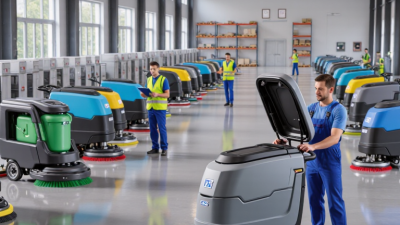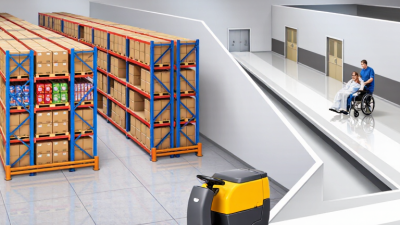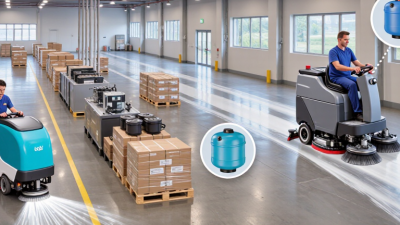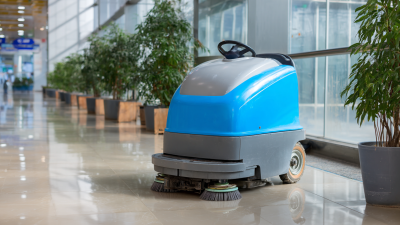
Choosing a Hard Floor Cleaner Machine is not just a matter of comparing prices or advertised power. Global buyers may need to clean sealed hardwood, tile, vinyl, or stone, and each surface responds differently to moisture and brush pressure. A machine that lifts dried coffee from kitchen tile may leave excess water on a delicate floor. Small details matter. Tank capacity, edge reach, cord length, noise, and replacement-part access can shape everyday results. So can voltage compatibility and local service support, especially when buying across borders.
This guide to the top 10 machines compares practical features rather than relying on bold claims alone. It considers cleaning performance, handling, maintenance, and suitability for different floor types, using manufacturer specifications alongside real-world needs. Look for clear instructions on compatible surfaces and care routines. Check how easily brushes and filters can be cleaned after muddy footprints or pet hair. No single machine wins every room. That is the honest part. Some models may suit larger homes, while lighter units can be easier to steer around chair legs and narrow hallways. Product availability and accessories can also vary by market, so verify details with the seller before purchase. A careful comparison helps buyers find a reliable fit, though even a well-reviewed cleaner may not replace routine sweeping or follow every floor maker’s care advice.
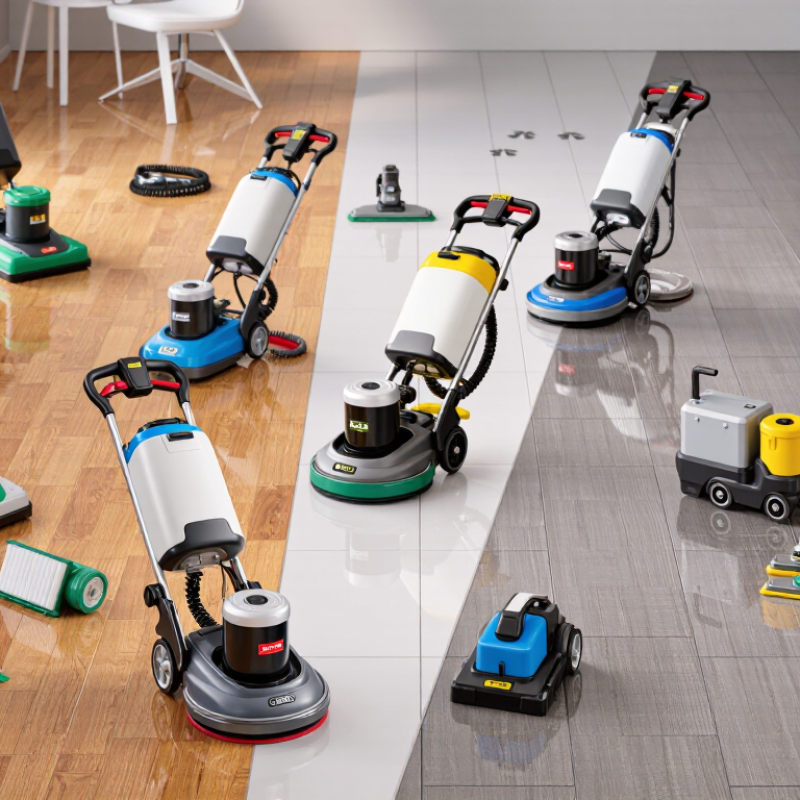
Hard floor cleaner machines vary by cleaning method and working area. Compact scrubber-dryers suit narrow aisles and small rooms. Walk-behind machines cover larger floor areas, while single-disc units handle scrubbing or polishing with interchangeable pads. Some orbital models use short, rapid movements to loosen soil with less water. The right type depends on floor material, dirt level, and how quickly the surface must be ready for use.
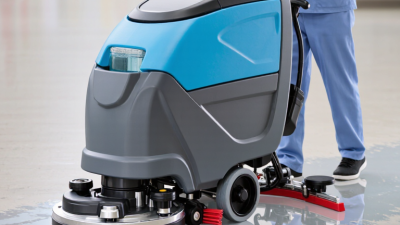
A scrubber-dryer applies cleaning solution, agitates the floor, and collects dirty water in one pass. Its main components include a solution tank, recovery tank, brush or pad deck, squeegee, and vacuum motor. On a typical machine, the squeegee trails behind the brush, drawing moisture toward the suction opening. Tank capacity matters. A larger tank can reduce refill stops, but it also adds weight and may make tight turns harder.
Power systems and controls affect daily use. Battery models avoid trailing cords, while corded units require access to safe power outlets. Check brush pressure, pad availability, noise level, and the reach of the squeegee when comparing machines. Always confirm that the chosen brush and cleaning method suit the floor finish; a test in an inconspicuous area is sensible. Small detail, big difference. Specifications do not always show how easily a machine handles corners, so operators should assess maneuverability in the actual space.
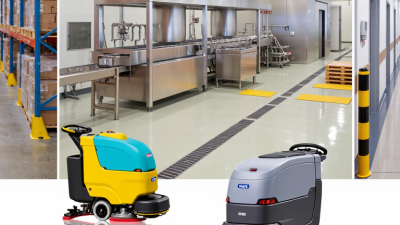
Hard-floor cleaner machines use several methods to lift soil, and the right choice depends on the floor and the mess. Suction-only models collect loose dust and crumbs without adding water. They can suit quick maintenance, but dried spills may need wiping or repeated passes. Spray-and-recovery machines apply a controlled amount of solution, agitate the surface, then draw dirty liquid into a separate tank. That matters. Less leftover moisture can mean faster drying, though clogged filters or full tanks may reduce pickup.
Rotating brushes loosen sticky marks from tile and sealed floors. Brush stiffness and pressure matter: aggressive contact can leave scratches on delicate finishes. Microfiber-pad machines rely more on wiping and absorbency, so they often work well for light soil and routine upkeep. Steam systems use heat to soften grime, but heat and moisture are not suitable for every surface, especially some unsealed or moisture-sensitive floors. Not always.
For global buyers, compare recovery performance, tank access, brush cleaning, and replacement-part availability—not just advertised power. A narrow grout line may need more agitation than a smooth tile, while sealed wood calls for careful moisture control. One easy mistake is choosing the strongest-sounding technology for every room. Floor finish, cleaner residue, and drying time deserve equal attention; the trade-off is less tidy than a feature list suggests.
| No. | Machine Type | How the Technology Works | Suitable Hard Floors | Main Advantages | Important Considerations | Typical Use |
|---|---|---|---|---|---|---|
| 1 | Walk-Behind Automatic Scrubber | A powered disc brush or pad applies cleaning solution and agitates the floor; a rear squeegee directs the dirty liquid into a recovery tank. | Sealed concrete, tile, vinyl, and other water-resistant commercial floors. | Scrubs and collects wastewater in one pass, helping leave floors relatively dry. | Requires tank filling, recovery-tank emptying, and routine brush, pad, and squeegee maintenance. | Retail areas, schools, warehouses, and other medium-to-large facilities. |
| 2 | Ride-On Automatic Scrubber | Like a walk-behind scrubber, it uses powered brushes or pads, solution delivery, and a squeegee-and-vacuum recovery system, with an operator seated on the machine. | Large expanses of sealed, water-resistant hard flooring. | Covers large areas efficiently and reduces the physical effort required from the operator. | Needs wide, accessible routes, trained operation, and more storage space than compact machines. | Airports, distribution centers, hospitals, and large commercial buildings. |
| 3 | Compact Roller Wet-Dry Cleaner | A rotating roller brush wets and agitates the surface while a suction channel collects dirty water into a separate tank. | Many sealed tile, vinyl, and stone floors; check the flooring and machine instructions before use. | Combines light scrubbing with liquid pickup and is generally easier to maneuver than commercial scrubbers. | Rollers and tanks need frequent cleaning; avoid excess moisture on unsealed or water-sensitive floors. | Homes and smaller commercial spaces with sealed hard floors. |
| 4 | Cylindrical-Brush Scrubber | One or more cylindrical brushes rotate against the floor. Some machines also dispense solution and vacuum up the resulting dirty water. | Textured tile, safety flooring, and other durable surfaces, subject to brush and floor compatibility. | Brush contact can reach into shallow surface texture and grout lines more effectively than a flat pad. | The wrong brush stiffness may mark delicate finishes; use only the brush type recommended for the floor. | Busy kitchens, entrances, and textured commercial floors. |
| 5 | Disc-Brush or Pad Scrubber | A flat circular brush or interchangeable pad rotates across the floor, providing mechanical agitation with water or cleaning solution. | Smooth, sealed tile, vinyl, concrete, and finished stone, with an appropriate brush or pad. | A versatile option because pad types can be selected for routine cleaning or more intensive scrubbing. | Abrasive pads can dull or scratch finishes; confirm compatibility and test in an inconspicuous area. | Routine maintenance and periodic scrubbing in commercial facilities. |
| 6 | Orbital or Oscillating Scrubber | A pad moves rapidly in short orbital or oscillating motions, creating repeated contact with the floor rather than relying only on a large rotating disc. | Many sealed, durable hard floors when paired with a suitable pad and cleaning method. | Can provide controlled agitation and may be useful for edge work or targeted cleaning, depending on the machine design. | Pad selection and operator technique affect results; it does not necessarily recover wastewater unless fitted with suction. | Detail cleaning, maintenance work, and selected restoration tasks. |
| 7 | Single-Disc Rotary Floor Machine | A single large brush or pad rotates under the machine to scrub, strip, or polish, depending on the pad, solution, and operating method. | Durable, compatible floors such as some finished vinyl, concrete, and stone surfaces. | Supports several maintenance tasks by changing the brush or pad and using the appropriate procedure. | Usually requires operator skill and may leave slurry or solution that must be collected separately. | Periodic deep cleaning, finish maintenance, and floor-care work. |
| 8 | Steam Floor Cleaner | Heated water produces steam that loosens soil; a cloth or pad wipes up the loosened residue from the floor. | Only floors explicitly approved by the flooring and machine manufacturers for steam cleaning. | Uses heat and water, often without requiring a detergent for routine light soil. | Heat and moisture can damage some finishes, seams, adhesives, and unsealed surfaces; steam is not suitable for every hard floor. | Light cleaning on manufacturer-approved, heat- and moisture-tolerant floors. |
| 9 | Robotic Vacuum-Mop | Sensors guide the robot while suction collects loose debris; a damp cloth or powered mop pad provides light surface wiping on compatible floors. | Smooth, sealed hard floors suitable for the robot’s specified mop function. | Automates frequent maintenance and can vacuum and wipe during a scheduled cleaning cycle. | Typically less effective on stuck-on or heavy soil than a dedicated scrubber; cords, thresholds, and clutter can interrupt cleaning. | Daily or frequent light maintenance in homes and small offices. |
| 10 | Wet/Dry Vacuum with Hard-Floor Tool | Suction collects liquid spills and loose debris through a floor nozzle; some models separate collected liquid from the airflow in a recovery container. | Water-resistant, sealed hard floors when used with a suitable floor attachment. | Useful for liquid pickup and debris collection without needing a separate squeegee. | Most wet/dry vacuums do not actively scrub; a separate cleaning step may be needed for adhered dirt. | Spill response, workshop cleanup, and pickup after manual floor washing. |
Floor compatibility depends on the floor finish, seal, machine settings, brush or pad, and cleaning solution. Always follow the flooring and equipment manufacturers’ instructions and test an inconspicuous area first.
A hard-floor cleaner should match the site, not just its floor area. Measure aisle width, door clearances, ramps, and the distance to charging and filling points. A machine that cannot turn beside shelving will leave corners for manual work. Check the brush or pad options against the actual surface; polished stone, textured tile, and sealed concrete need different contact and pressure.
Water recovery matters where floors must reopen quickly. UNESCO’s 2024 World Water Development Report says global water use has risen by about 1% annually over the past 40 years. Buyers can compare tank capacity, water use per cleaning pass, and how well the squeegee collects water. Bigger tanks are not automatically better. They add weight and may complicate handling in tight spaces. Ask suppliers for test conditions, not only headline coverage rates.
Also check noise, runtime, service access, and replacement-part availability in the destination market. OSHA sets 85 dBA over an eight-hour workday as the hearing-conservation action level; compare measured operating noise with that context. A specification sheet is not a site trial. Test a representative floor, including edges and dried marks. Results can vary with operator speed, soil, and maintenance—an inconvenient detail, but one buyers should record before ordering.
Top 10 Hard Floor Cleaner Machines for Global Buyers
Top 10 Hard Floor Cleaner Machines Compared by Features and Use
These ten machine types suit different floors and workloads. Compact scrubbers fit kitchens and small shops, while upright wet-dry cleaners handle spills and routine washing. Cylindrical-brush machines lift dirt from textured tile. Orbital and single-disc machines offer controlled scrubbing for larger areas, but require suitable pads and operator care. Walk-behind scrubber-dryers suit corridors and medium-sized spaces. Ride-on models cover broad floors faster, though they need storage and turning room. Steam cleaners can loosen grime on compatible sealed surfaces. Spray-mop machines are light and simple for quick touch-ups. Commercial scrubber-dryers combine scrubbing with water recovery, helping floors dry sooner.
Features matter only when they match the task. Check cleaning width, tank capacity, battery runtime, noise, and access to replacement brushes or pads. A large tank can reduce refills, but it also adds weight. Not every sealed floor tolerates steam or aggressive brushes; confirm the flooring and machine instructions before use. There is no perfect pick. A machine may clean brilliantly yet feel awkward around table legs, and that detail is easy to overlook.
Tips: Test a small, hidden area first. Compare the machine’s working width with your narrowest doorway, and check whether its recovery tank is easy to empty. Keep a little extra time for drying.
For global buyers, selection begins with the floor, not the catalogue. A compact scrubber may suit narrow aisles, while a larger ride-on unit needs wide turning space and reliable charging access. Grand View Research’s Floor Cleaning Equipment Market report projects market growth at an 8.5% compound annual rate from 2024 to 2030. That forecast signals expanding demand, but it does not guarantee local parts or service support. Check brush availability, battery specifications, voltage compatibility, and delivery lead times before ordering.
Daily operation depends on small, repeatable checks. Remove grit before scrubbing; it can score pads and leave visible tracks. Match water flow and detergent to the surface, then test a discreet patch. Keep it simple. After each shift, empty and rinse the recovery tank, clean filters, and inspect squeegees for uneven wear. Record runtime, faults, and battery charging cycles. A log often reveals declining suction before floors start drying poorly.
Sourcing across markets also means comparing total operating costs, not just purchase prices. Request technical documents, spare-parts lists, warranty terms, and remote-support details in writing. Confirm that local technicians can service the machine and that consumables can be replenished without long delays. ISO 55001 asset-management guidance emphasizes lifecycle value, a useful lens for procurement decisions. One limitation: supplier estimates rarely capture every local water or labor cost. Build a modest service allowance into the budget, then revise it after the first months of use.
Typical working-path width by machine type
Wider cleaning paths can cover open floors more quickly, while compact machines are easier to maneuver in tight spaces. Values shown are approximate class-level examples, not specifications for a particular model. Compare actual dimensions, floor compatibility, parts availability, and local service support when sourcing equipment.